
For many people cosmetic surgery is seen as a way to enhance their physical appearance and boost their confidence. However the relationship between cosmetic surgery and mental health is a complex and multifaceted one that merits further exploration.
Research has shown that there is a strong correlation between cosmetic surgery and mental health outcomes. While many individuals report increased self esteem and improved body image following cosmetic procedures others may experience negative psychological effects such as depression anxiety and body dysmorphic disorder.
The Positive Effects of Cosmetic Surgery on Mental Health
One of the primary reasons why individuals choose to undergo cosmetic surgery is to improve their self esteem and body image. Studies have found that patients who are satisfied with the results of their procedures often experience a boost in confidence and a greater sense of self worth.
Psychological research has also shown that cosmetic surgery can lead to improvements in mental health outcomes for certain individuals. For example a study published in the Journal of Plastic and Reconstructive Surgery found that patients who underwent rhinoplasty reported significant decreases in anxiety and social phobia following the procedure.
Other potential positive effects of cosmetic surgery on mental health include –
- Greater satisfaction with one’s appearance
- Improved quality of life
- Increased social confidence

The Negative Effects of Cosmetic Surgery on Mental Health
While cosmetic surgery can have positive effects on mental health for some individuals it is important to acknowledge that there are also potential negative consequences to consider.
One of the most serious mental health risks associated with cosmetic surgery is body dysmorphic disorder (BDD). BDD is a psychological condition characterized by an obsessive preoccupation with perceived flaws in one’s appearance which can lead to severe distress and impairments in daily functioning.
Research has shown that individuals with BDD are more likely to seek cosmetic procedures and are also less likely to be satisfied with the results. In fact some studies have found that up to 30% of individuals seeking cosmetic surgery may have symptoms of BDD.
Other potential negative effects of cosmetic surgery on mental health include –
- Increased risk of depression and anxiety
- Greater dissatisfaction with one’s appearance
- Complications or dissatisfaction with the results of the procedure
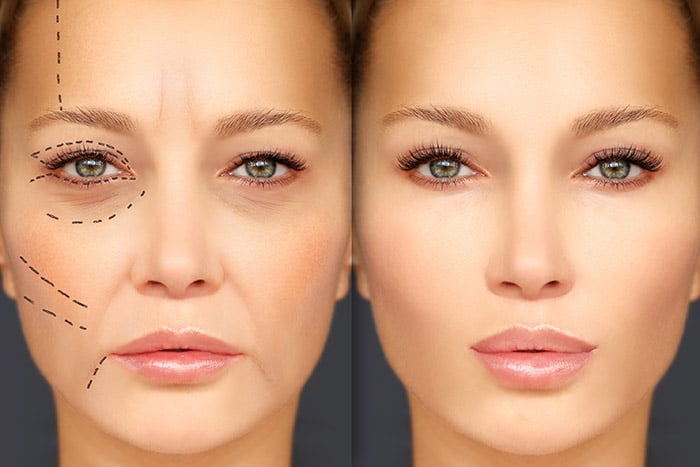
Ultimately the relationship between cosmetic surgery and mental health is a complex one that varies from individual to individual. While some people may benefit greatly from cosmetic procedures in terms of improved self esteem and body image others may experience negative psychological effects such as depression and body dysmorphic disorder.
It is important for individuals considering cosmetic surgery to carefully weigh the potential risks and benefits and to consult with a mental health professional if they have concerns about their psychological well being. By approaching cosmetic surgery with a mindful and informed perspective individuals can make choices that are truly in alignment with their mental health and overall well being.
Related Topics About Cosmetic Surgery and Mental Health: The Connection Explored
Cosmetic Surgery And Mental Health,
Cosmetic Surgery And Psychological Issues,
Cosmetic Surgery Health Risks,
Cosmetic Surgery Improves Mental Health,
Cosmetic Surgery On Mental Health,
Does Medical Insurance Cover Cosmetic Surgery,
How Does Cosmetic Surgery Affect Mental Health,
Mental Effects Of Cosmetic Surgery,
What Health Insurance Covers Cosmetic Surgery