
When you are considering surgery, the first step is to thoroughly research the surgeon’s credentials. This is crucial because the qualifications and training of your surgeon can significantly impact the outcome of your procedure. Start by checking their educational background.
You want to ensure that they graduated from a reputable medical school and completed a residency program in their specialty. Additionally, look for any fellowships they may have completed, as these can indicate advanced training in specific areas of surgery. Beyond education, it’s essential to verify their licensing status.
Each state has a medical board that maintains records of licensed practitioners. You can usually find this information online, which will allow you to confirm that your surgeon is legally permitted to practice medicine in your area. Furthermore, consider looking into any additional certifications or memberships in professional organizations, as these can reflect a commitment to ongoing education and adherence to high standards in the field.
Key Takeaways
- Research the surgeon’s credentials to ensure they have the necessary qualifications and training
- Check for board certification to confirm the surgeon’s expertise and commitment to high standards
- Look for experience in the specific procedure you are considering to ensure a higher level of skill and expertise
- Consider the surgeon’s reputation and reviews from previous patients to gauge their quality of care and results
- Schedule a consultation to meet the surgeon in person and discuss your concerns, expectations, and questions
Check for Board Certification
Once you have gathered information about the surgeon’s credentials, the next step is to check for board certification. Board certification is an important indicator of a surgeon’s expertise and commitment to their specialty. It means that the surgeon has passed rigorous examinations and has met specific educational and professional requirements set by a recognized medical board.
This certification is not just a formality; it demonstrates that the surgeon has undergone extensive training and has proven their knowledge in their field. To verify board certification, you can visit the website of the American Board of Medical Specialties (ABMS) or similar organizations relevant to your country. These platforms allow you to search for your surgeon’s name and confirm their certification status.
If your surgeon is board-certified, it can provide you with peace of mind knowing that they have met high standards of practice. Conversely, if they are not board-certified, it may raise questions about their qualifications and experience, prompting you to consider other options.
Look for Experience in the Specific Procedure
Experience plays a vital role in the success of surgical procedures. When evaluating a surgeon, it’s essential to inquire about their experience with the specific procedure you are considering. Surgeons who perform a particular type of surgery frequently are more likely to have refined their skills and developed techniques that can lead to better outcomes.
Ask how many times they have performed the procedure and what their success rates are. In addition to the number of procedures performed, consider the types of cases they have handled. For instance, if you have unique health concerns or complications, you want a surgeon who has experience dealing with similar situations.
A surgeon who has navigated complex cases successfully will likely be better equipped to handle any challenges that may arise during your surgery.
Consider the Surgeon’s Reputation and Reviews
The reputation of a surgeon can provide valuable insights into their practice and patient care. Start by seeking recommendations from friends, family, or your primary care physician. Personal referrals can often lead you to trustworthy professionals who have a proven track record.
Additionally, online reviews can offer a broader perspective on patient experiences. Websites like Healthgrades or RateMDs allow patients to share their thoughts on various aspects of their surgical experience, including communication, bedside manner, and overall satisfaction. While reading reviews, pay attention to recurring themes or concerns.
If multiple patients mention issues with post-operative care or difficulty in reaching the surgeon for follow-up questions, these could be red flags. Conversely, positive reviews highlighting a surgeon’s attentiveness and successful outcomes can reinforce your confidence in their abilities. Remember that no surgeon will have a perfect record, but consistent positive feedback can indicate a reliable and skilled practitioner.
Schedule a Consultation
After narrowing down your options based on credentials, certification, experience, and reputation, it’s time to schedule a consultation with your chosen surgeon. This meeting is an opportunity for you to ask questions, discuss your concerns, and gauge your comfort level with the surgeon. During the consultation, pay attention to how the surgeon communicates with you.
A good surgeon should be willing to take the time to explain the procedure in detail and address any worries you may have. Use this time to discuss your medical history and any specific goals you have for the surgery. The surgeon should listen attentively and provide personalized recommendations based on your unique situation.
Additionally, observe how they respond to your questions—do they seem patient and understanding? A positive interaction during this initial meeting can be a strong indicator of how well you will work together throughout the surgical process.
Ask About the Surgical Facility and Staff
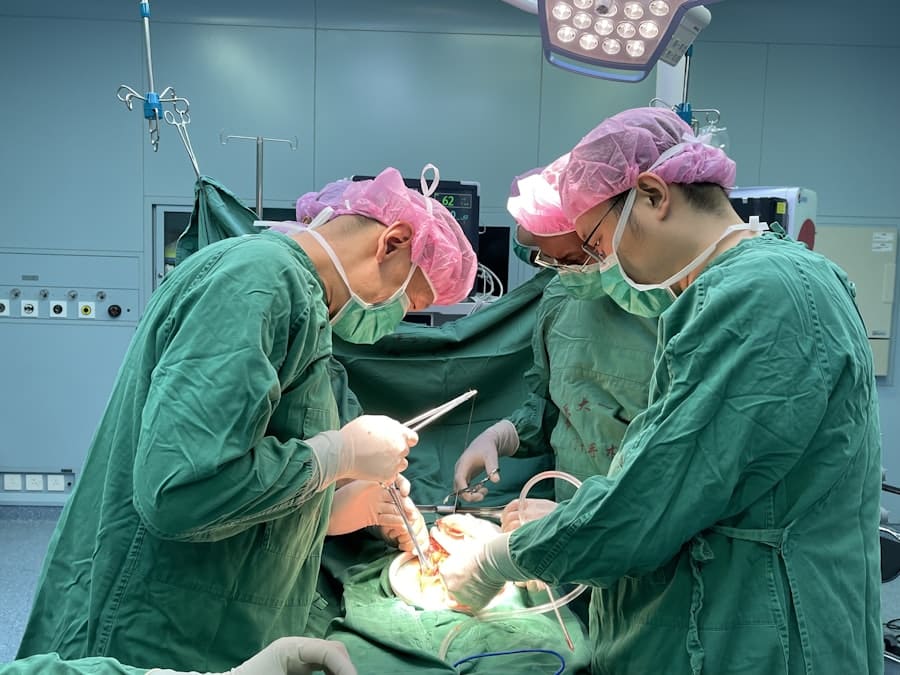
The environment where your surgery will take place is just as important as the surgeon performing it. Inquire about the surgical facility’s accreditation and reputation. Accredited facilities adhere to strict safety standards and protocols, which can significantly reduce the risk of complications during surgery.
You should also consider whether the facility has experience with your specific procedure, as this can further enhance safety and efficiency. Additionally, take note of the staff at the surgical facility. The quality of care you receive before, during, and after surgery often depends on the entire team involved in your care.
Ask about the qualifications of the nursing staff and anesthesiologists who will be part of your surgical experience. A well-trained and supportive team can make a significant difference in your comfort level and overall satisfaction with the procedure.
Inquire About the Surgeon’s Approach and Techniques
Every surgeon has their own approach to performing procedures, which can vary based on their training and philosophy. During your consultation, ask about the techniques they use for your specific surgery. Some surgeons may prefer minimally invasive methods that promote quicker recovery times and less scarring, while others may opt for traditional open surgery depending on the case’s complexity.
Understanding your surgeon’s approach will help you feel more informed about what to expect during your procedure. Additionally, inquire about any advancements or technologies they utilize in their practice. Surgeons who stay updated on the latest techniques often provide better outcomes for their patients.
This discussion can also give you insight into how adaptable they are when faced with unexpected challenges during surgery.
Discuss the Risks and Complications
Every surgical procedure carries inherent risks and potential complications, so it’s crucial to have an open discussion with your surgeon about these factors. During your consultation, ask them to explain the specific risks associated with your procedure clearly. A reputable surgeon will be transparent about potential complications while also discussing how they mitigate these risks through careful planning and execution.
Understanding these risks will help you make an informed decision about whether to proceed with surgery. Additionally, ask about how often complications occur in their practice compared to national averages. This information can provide context for their experience and help you gauge how well they manage potential issues when they arise.
Review Before and After Photos
Visual evidence of a surgeon’s work can be incredibly persuasive when making your decision. Request to see before-and-after photos of previous patients who underwent the same procedure you are considering. These images can give you a realistic expectation of what results are achievable and help you assess the surgeon’s skill level.
When reviewing these photos, look for consistency in results across different patients rather than just one or two standout cases. A diverse portfolio showcasing various body types and conditions can indicate that the surgeon has experience working with different individuals and achieving satisfactory outcomes tailored to each patient’s needs.
Consider the Cost and Financing Options
Surgery can be a significant financial investment, so it’s essential to understand the costs involved before making a commitment. During your consultation, ask for a detailed breakdown of all expenses related to the procedure, including surgeon fees, facility costs, anesthesia fees, and any follow-up care required post-surgery. This transparency will help you avoid unexpected expenses later on.
Additionally, inquire about financing options available through the surgical facility or third-party lenders. Many facilities offer payment plans or financing solutions that can make surgery more accessible without compromising quality care. Understanding your financial options will allow you to make an informed decision that aligns with both your health needs and budgetary constraints.
Trust Your Instincts and Comfort Level with the Surgeon
Finally, trust your instincts when choosing a surgeon for your procedure. Your comfort level with them is paramount; after all, this person will be responsible for your health during a critical time in your life. Reflect on how well they addressed your questions during the consultation and whether you felt heard and respected throughout the process.
If something feels off or if you have lingering doubts after meeting with a surgeon, don’t hesitate to seek a second opinion or consult another professional. Your health is too important to settle for anything less than complete confidence in your surgical team. Ultimately, choosing a surgeon should feel like a collaborative decision where you feel empowered and informed every step of the way.
When considering how to choose the best cosmetic plastic surgeon in Chandler, AZ, it’s essential to understand the broader context of cosmetic surgery and its implications. A related article that delves into the ethical considerations surrounding plastic surgery can provide valuable insights. You can read more about this topic in the article on the ethics of plastic cosmetic surgery. This resource can help you make a more informed decision by highlighting the importance of ethical practices in the field.
FAQs
What qualifications should I look for in a cosmetic plastic surgeon in Chandler, AZ?
When choosing a cosmetic plastic surgeon in Chandler, AZ, it is important to look for qualifications such as board certification in plastic surgery, membership in professional organizations such as the American Society of Plastic Surgeons, and a good standing with the state medical board.
What should I consider when researching cosmetic plastic surgeons in Chandler, AZ?
When researching cosmetic plastic surgeons in Chandler, AZ, consider factors such as the surgeon’s experience and expertise in the specific procedure you are interested in, their before and after photos of previous patients, and their patient reviews and testimonials.
What questions should I ask during a consultation with a cosmetic plastic surgeon in Chandler, AZ?
During a consultation with a cosmetic plastic surgeon in Chandler, AZ, it is important to ask about the surgeon’s experience with the specific procedure you are interested in, their approach to patient care and safety, the expected recovery process, and any potential risks or complications associated with the procedure.
What are some red flags to watch out for when choosing a cosmetic plastic surgeon in Chandler, AZ?
Red flags to watch out for when choosing a cosmetic plastic surgeon in Chandler, AZ include a lack of board certification in plastic surgery, a history of malpractice claims or disciplinary actions, and a lack of before and after photos or patient testimonials.
What are some important considerations for choosing the best cosmetic plastic surgeon in Chandler, AZ?
When choosing the best cosmetic plastic surgeon in Chandler, AZ, it is important to consider factors such as the surgeon’s qualifications and experience, their approach to patient care and safety, the quality of their before and after photos, and their overall reputation within the community.