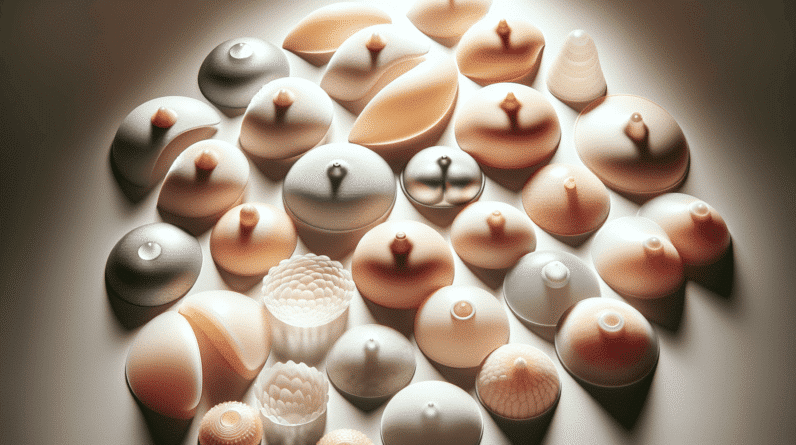
What if you could redefine your figure and enhance your confidence at the same time? Breast augmentation is often a journey that many individuals are embarking on, and it is vital to consider your options carefully. This article will walk you through the various choices available for breast augmentation so that you can make a well-informed decision that feels right for you.

Understanding Breast Augmentation
Breast augmentation is a surgical procedure that involves increasing the size of the breasts using implants or fat transfer. This procedure is not only about aesthetics; it can also profoundly affect your self-esteem and body image. You might consider this option for various reasons, such as restoring breast volume lost after pregnancy, balancing breast size discrepancies, or simply enhancing your overall silhouette.
Different Types of Breast Implants
There are primarily two types of implants available for breast augmentation: silicone implants and saline implants. Understanding the differences between these options is essential in making an informed choice.
Silicone Implants
Silicone implants are filled with a viscous gel that closely resembles natural breast tissue. Many individuals prefer silicone implants because they often feel more natural when touched.
-
Benefits:
- Natural appearance and feel
- Less visible rippling
- Comes in various shapes and sizes
-
Considerations:
- Requires a larger incision for placement
- Potential for silent rupture (an issue where the implant leaks without obvious signs)
Saline Implants
Saline implants are filled with sterile salt water. They are inserted empty and then filled once placed in the body, which allows for a smaller incision.
-
Benefits:
- Easier to insert due to smaller incisions
- If ruptured, the body safely absorbs the saline
-
Considerations:
- Can feel less natural than silicone
- May be more prone to visible rippling or wrinkling
Fat Transfer Breast Augmentation
Fat transfer augmentation is an alternative to implants that uses your body’s fat. This is done by liposuctioning fat from areas where you have excess fat, like the tummy or thighs, and injecting it into the breasts.
-
Benefits:
- Uses your own body tissue, leading to a more natural feel
- Can contour other areas of your body at the same time
-
Considerations:
- Often results in a smaller increase in size compared to implants
- Fat can be reabsorbed by the body over time, affecting longevity
Choosing the Right Size
Determining the right breast size is a crucial step in the journey of breast augmentation. Everyone has a different body type, and what looks great on one person may not work for another.
Consultation and Sizing
Before making any decisions, scheduling a consultation with your plastic surgeon is essential. During this appointment, you will discuss your desired outcomes and try on sizers to find a size that looks and feels right.
Using Bra Size as a Guide
Many individuals often refer to bra sizes when thinking about breast size. However, remember that different brands and styles can fit differently, so it’s wise to try on several options.
The Role of Body Proportions
While it may be tempting to choose the size you aspire to, consider your body proportions. A balanced silhouette can look far more aesthetically pleasing. Discussing these options with a skilled surgeon can make a huge difference.
Implant Profiles and Shapes
Not all implants are created equal, and understanding the various profiles and shapes is vital.
Profiles
Implants come in different profiles, which refer to the height of the implant. Here are three primary profiles to consider:
- Low Profile: These implants are wider and flatter, creating a more natural look.
- Moderate Profile: A balanced option that fits a variety of body types.
- High Profile: These implants are narrower and project further from the chest wall, offering more cleavage.
Shapes
The shape of the implant can also affect the overall appearance:
- Round Implants: Provide fullness in the upper part of the breast. Change the level of fullness by adjusting profiles.
- Teardrop Implants: Mimic the natural slope of a breast, providing a more natural look.
Deciding on the profile and shape should be part of your consultation with your surgeon. They will help guide you based on your goals and anatomy.
Implant Placement
Another significant aspect of breast augmentation is where the surgeon places the implants: either over the muscle (subglandular) or under the muscle (submuscular).
Over the Muscle (Subglandular)
Placing the implants above the muscle is often less invasive and may have a quicker recovery time.
-
Pros:
- Shorter surgery and recovery time
- May result in less postoperative pain
-
Cons:
- May result in less natural appearance, particularly in individuals with little natural breast tissue
- Potential for increased risk of visible rippling
Under the Muscle (Submuscular)
Placing the implants beneath the muscle can provide a more natural look and feel, especially for thinner individuals who may not have much breast tissue.
-
Pros:
- More natural appearance and feel
- Less likely to ripple or become visible
-
Cons:
- Longer recovery time
- More postoperative discomfort

Considering Surgery Risks
While breast augmentation is a generally safe procedure, it isn’t without risks. It’s crucial to understand the potential complications and mitigate risks whenever possible.
Common Risks
- Infection: As with any surgery, there’s a possibility of infection.
- Capsular Contracture: This occurs when scar tissue forms tightly around the implant, leading to hardening and changes in shape.
- Implant Rupture: This can occur in silicone or saline implants and may require corrective surgery.
Mitigating Risks
To reduce the risks associated with breast augmentation, choosing a board-certified plastic surgeon with extensive experience is essential. Following your surgeon’s pre- and post-operative instructions can also improve your safety and results.
Recovery Process
Understanding the recovery timeline is critical for setting realistic expectations.
Immediate Post-Surgery
Directly after the procedure, you’ll likely feel some tightness and soreness. Managing this discomfort through medications prescribed by your doctor is essential. You may be advised to wear a compression garment to minimize swelling.
Weeks 1-2
In the first two weeks, it’s advisable to avoid strenuous activities, heavy lifting, or intense exercise. Swelling and bruising are common during this time, but you should begin to see a noticeable change as your body heals.
Long-term Recovery
Complete recovery takes about six to eight weeks, though you may begin to resume some normal activities after two weeks. It’s important to follow up with your surgeon to assess your healing process.

Lifestyle Impact
Choosing to undergo breast augmentation can influence various aspects of your lifestyle. It’s important to consider how these changes align with your personal and professional life.
Physical Activities
If you are particularly active in sports or fitness, you might need to adjust your routines post-surgery. Discussing these changes with your surgeon can provide valuable insights for a smooth transition.
Self-Image and Confidence
Many individuals report a boost in self-esteem and body image following breast augmentation. However, it’s essential to recognize that these internal changes can take time. Consulting with a mental health professional might provide additional support.
Summary of Considerations
When making the decision about breast augmentation, remember to consider the following aspects thoroughly:
| Factor | Silicone Implants | Saline Implants | Fat Transfer |
|---|---|---|---|
| Feel | More natural | Less natural | Most natural |
| Risk of Rupture | Silent rupture | Obvious rupture | Not applicable |
| Incision Size | Larger | Smaller | Variable |
| Recovery Time | Medium | Shorter | Longer |
| Customization | Very customizable | Customizable | Limited |
Choosing breast augmentation is a personal journey that requires careful thought and consideration. Having honest conversations with yourself and your healthcare team ensures you make a choice that aligns with your goals and well-being.
By understanding the choices and possibilities available, you can move forward with confidence on this life-changing journey. Remember, every decision comes down to what feels right for you, and taking the time to reflect on this is crucial for your happiness and satisfaction.