
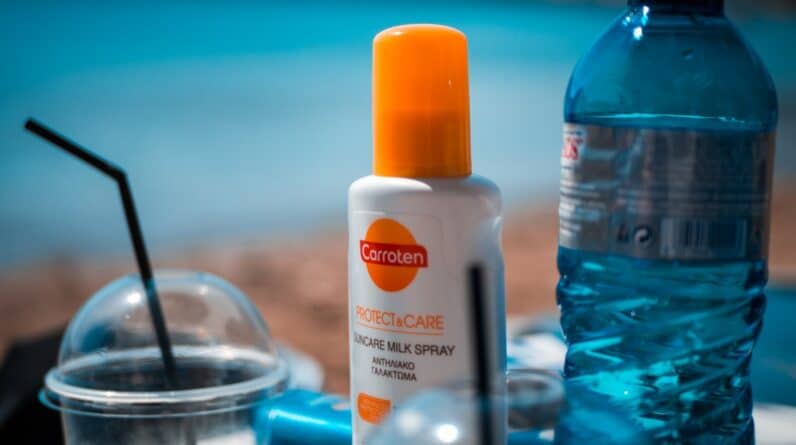
After undergoing a skin procedure, whether it be a chemical peel, laser treatment, or any other dermatological intervention, the importance of sun protection cannot be overstated. Your skin is in a vulnerable state, and exposure to UV rays can lead to complications such as hyperpigmentation, irritation, and even scarring. The skin’s barrier is often compromised during these procedures, making it more susceptible to damage.
Therefore, prioritizing sun protection is essential for ensuring optimal healing and maintaining the results of your treatment. Moreover, the consequences of neglecting sun protection can be long-lasting. You may find that the benefits of your procedure are diminished if you expose your skin to the sun without adequate protection.
This can lead to a frustrating cycle of needing additional treatments to correct issues that could have been avoided with proper care. By committing to a robust sun protection routine, you not only safeguard your skin but also enhance the longevity and effectiveness of your procedure.
Key Takeaways
- Sun protection is crucial post-procedure to prevent complications and promote healing
- Choose a sunscreen with SPF 30 or higher and broad-spectrum protection for post-procedure skin
- Sun-protective clothing and accessories like wide-brimmed hats and sunglasses are essential for added protection
- Developing sun protection habits and practices, such as seeking shade and avoiding peak sun hours, is important for post-procedure skin
- Understanding UV radiation and its effects on post-procedure skin can help in taking necessary precautions and care
Choosing the Right Sunscreen for Post-Procedure Skin
Selecting the appropriate sunscreen for your post-procedure skin is crucial for effective protection. Look for broad-spectrum sunscreens that shield against both UVA and UVB rays. A sunscreen with an SPF of 30 or higher is generally recommended, as it provides a sufficient barrier against harmful rays.
Additionally, consider formulations that are specifically designed for sensitive skin, as these are often free from irritating chemicals and fragrances that could exacerbate your skin’s condition. Physical or mineral sunscreens containing zinc oxide or titanium dioxide are often ideal choices for post-procedure care. These ingredients sit on top of the skin and reflect UV rays rather than absorbing them, making them less likely to cause irritation.
Furthermore, many mineral sunscreens offer a soothing effect on inflamed or sensitive skin, which can be particularly beneficial after a procedure. Always remember to check the expiration date on your sunscreen and reapply it every two hours, especially if you are sweating or swimming.
Sun-Protective Clothing and Accessories
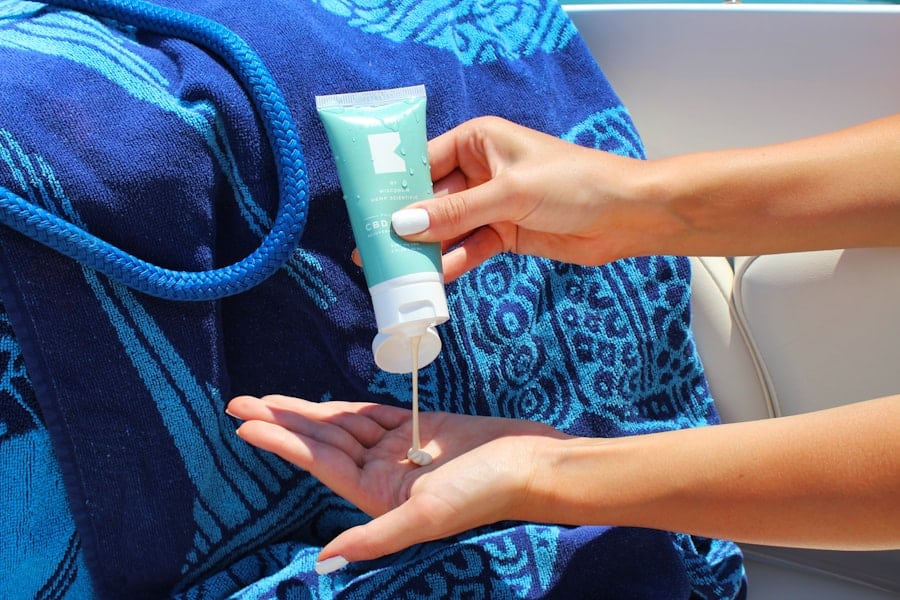
In addition to sunscreen, incorporating sun-protective clothing and accessories into your routine can significantly enhance your defense against UV radiation. Opt for lightweight, long-sleeved shirts and pants made from tightly woven fabrics that provide an extra layer of protection. Many brands now offer clothing with built-in UPF (Ultraviolet Protection Factor), which can be particularly beneficial for those with recently treated skin.
Accessories such as wide-brimmed hats and UV-blocking sunglasses are also essential components of your sun protection strategy. A hat with a brim of at least three inches can shield your face, neck, and ears from direct sunlight, while sunglasses with UV protection will help safeguard your eyes and the delicate skin around them. By combining these protective measures with sunscreen, you create a comprehensive approach to shielding your skin from harmful UV rays.
Sun Protection Habits and Practices
Developing consistent sun protection habits is vital for maintaining healthy skin, especially after a procedure. Make it a part of your daily routine to apply sunscreen every morning, regardless of the weather or season. Even on cloudy days, up to 80% of UV rays can penetrate through the clouds, so it’s essential to remain vigilant.
Consider setting reminders on your phone or keeping sunscreen in easily accessible places to encourage regular application. Additionally, educate yourself about the signs of sun damage and how to recognize them early. This knowledge empowers you to take action before any serious issues arise.
Regularly check your skin for any new moles or changes in existing ones, and don’t hesitate to consult a dermatologist if you notice anything unusual. By fostering these habits, you not only protect your post-procedure skin but also contribute to your overall long-term skin health.
Understanding UV Radiation and its Effects on Post-Procedure Skin
To effectively protect your skin post-procedure, it’s important to understand the nature of UV radiation and its potential effects. UV radiation is divided into two main types: UVA and UVUVA rays penetrate deep into the skin and are primarily responsible for premature aging and wrinkles, while UVB rays are the main culprits behind sunburns. Both types can cause significant damage to recently treated skin, leading to complications such as inflammation and discoloration.
The effects of UV radiation on post-procedure skin can be particularly pronounced due to its heightened sensitivity. After treatments like chemical peels or laser therapy, your skin may be more reactive than usual, making it crucial to minimize exposure to sunlight. Understanding how these rays interact with your skin allows you to take proactive measures in protecting it, ensuring that you achieve the best possible results from your procedure.
Tips for Applying Sunscreen on Sensitive Post-Procedure Skin
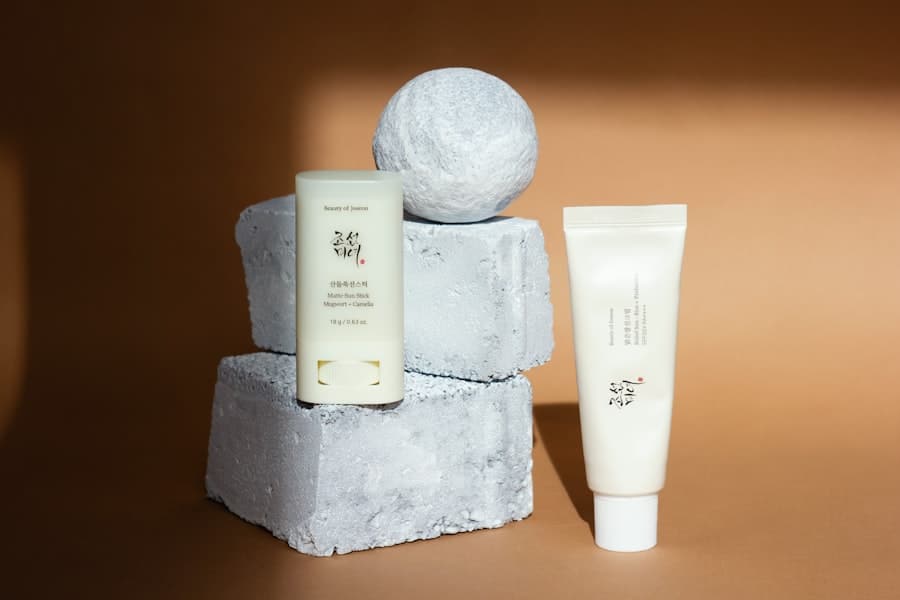
Applying sunscreen on sensitive post-procedure skin requires a gentle approach to avoid further irritation. Start by ensuring that your skin is clean and dry before application. Use a small amount of sunscreen and gently dab it onto your face or affected areas rather than rubbing it in vigorously.
This technique minimizes friction and helps prevent discomfort. When choosing a sunscreen for sensitive skin, opt for formulations that are labeled as hypoallergenic or non-comedogenic. These products are less likely to clog pores or cause breakouts, which is particularly important if you have just undergone a procedure that may have altered your skin’s texture or sensitivity.
Additionally, consider using a sunscreen stick for targeted application on smaller areas; this can provide precise coverage without excessive rubbing.
Seeking Shade and Avoiding Peak Sun Hours
In addition to using sunscreen and protective clothing, seeking shade is an effective way to minimize sun exposure after a procedure. Whenever possible, try to stay under umbrellas or trees during outdoor activities, especially during peak sun hours between 10 AM and 4 PM when UV radiation is at its strongest. This simple practice can significantly reduce the risk of sun damage while allowing you to enjoy outdoor activities safely.
Planning your outdoor activities around the sun’s intensity can also be beneficial. If you know you’ll be outside during peak hours, consider scheduling your activities for early morning or late afternoon when the sun’s rays are less intense. By being mindful of when and where you spend time outdoors, you can protect your sensitive post-procedure skin while still enjoying the benefits of fresh air and sunshine.
The Role of Regular Skin Checks and Follow-Up Care
Finally, regular skin checks and follow-up care play an integral role in maintaining the health of your post-procedure skin. After any dermatological treatment, it’s essential to schedule follow-up appointments with your dermatologist to monitor healing progress and address any concerns that may arise. These check-ups allow for early detection of potential issues such as infection or abnormal healing patterns.
In addition to professional evaluations, conducting self-examinations at home is equally important. Familiarize yourself with the appearance of your skin post-procedure so that you can easily identify any changes or abnormalities over time. Keeping a record of any new moles or changes in existing ones can also be helpful during follow-up visits.
By prioritizing regular check-ups and being proactive about monitoring your skin’s health, you can ensure that you maintain the best possible results from your procedure while safeguarding against future complications.
For those who have recently undergone cosmetic procedures and are looking for the best sun protection strategies, it’s crucial to ensure your skin is properly shielded from harmful UV rays to facilitate optimal healing and maintain the results of your surgery. An excellent resource for finding specialized post-procedure care and advice can be found at a dedicated website that lists qualified plastic surgeons and dermatologists. For instance, if you are in Chicago, you might want to visit this link which provides information on local experts who can offer personalized skincare advice, including sun protection post-procedure. This can be an invaluable resource in helping you maintain your skin’s health and appearance after surgery.
FAQs
What is the importance of sun protection post-procedure?
Sun protection post-procedure is important because the skin is more vulnerable to damage from the sun’s harmful UV rays after undergoing a procedure. Sun exposure can lead to increased risk of hyperpigmentation, scarring, and delayed healing.
What are the best sun protection methods post-procedure?
The best sun protection methods post-procedure include using broad-spectrum sunscreen with SPF 30 or higher, wearing protective clothing such as hats and sunglasses, seeking shade during peak sun hours, and avoiding tanning beds.
How soon after a procedure should sun protection be implemented?
Sun protection should be implemented immediately after a procedure, and continued for several weeks to months depending on the type of procedure and the individual’s skin sensitivity.
What are the key ingredients to look for in a post-procedure sunscreen?
Key ingredients to look for in a post-procedure sunscreen include zinc oxide and titanium dioxide, which provide physical broad-spectrum protection, as well as antioxidants such as vitamin C and E to help protect the skin from free radical damage.
Are there any specific recommendations for sun protection post-procedure for different types of procedures?
Specific recommendations for sun protection post-procedure may vary depending on the type of procedure. It is important to follow the specific instructions provided by the healthcare provider or dermatologist who performed the procedure.