
In today’s society the pressure to look a certain way is more prevalent than ever. With the rise of social media and influencers promoting unrealistic beauty standards many individuals may feel dissatisfied with their appearance. For some this dissatisfaction can escalate into Body Dysmorphic Disorder (BDD) – a mental health condition characterized by obsessive thoughts about perceived flaws in one’s appearance.
Individuals with BDD often experience extreme distress about their appearance leading them to seek out cosmetic procedures in an attempt to fix their perceived flaws. However this fixation on undergoing cosmetic surgery can be a destructive cycle for those suffering from BDD.
Understanding Body Dysmorphic Disorder
People with BDD have a distorted view of their appearance focusing on minor or imagined flaws that others may not notice. These perceived flaws can cause intense feelings of shame embarrassment and anxiety leading individuals to engage in compulsive behaviors such as excessive grooming seeking reassurance from others or undergoing multiple cosmetic procedures.
It’s important to note that BDD is not simply a vanity issue – it is a serious mental health condition that can have a profound impact on an individual’s quality of life. Those with BDD may have difficulty forming relationships holding down a job or engaging in social activities due to their preoccupation with their appearance.
The Link Between BDD and Cosmetic Surgery
Research has shown that individuals with BDD are more likely to seek out cosmetic surgery than the general population. They may believe that undergoing surgery will improve their self esteem and help them feel more confident in their appearance. However studies have also shown that those with BDD are less satisfied with the results of their cosmetic procedures compared to individuals without the disorder.
Furthermore individuals with BDD may continue to perceive flaws in their appearance even after undergoing surgery leading them to seek out additional procedures in a never ending quest for perfection. This cycle can be detrimental to their mental health as it reinforces their negative body image and fails to address the underlying issues contributing to their dissatisfaction.

Effective Treatment for BDD
For individuals with BDD seeking treatment from a mental health professional is essential in addressing the root causes of their dissatisfaction with their appearance. Cognitive behavioral therapy (CBT) has been found to be particularly effective in treating BDD as it helps individuals challenge and change their negative thought patterns about their appearance.
Medication such as selective serotonin reuptake inhibitors (SSRIs) may also be prescribed to help alleviate the symptoms of BDD and improve overall mental well being. However it’s important for individuals with BDD to work closely with a psychiatrist to find the right medication and dosage that works for them.
Body Dysmorphic Disorder and cosmetic surgery are closely intertwined as individuals with BDD may use surgery as a way to alleviate their distress about their appearance. However cosmetic procedures are not a cure for BDD and can exacerbate the symptoms of the disorder over time.
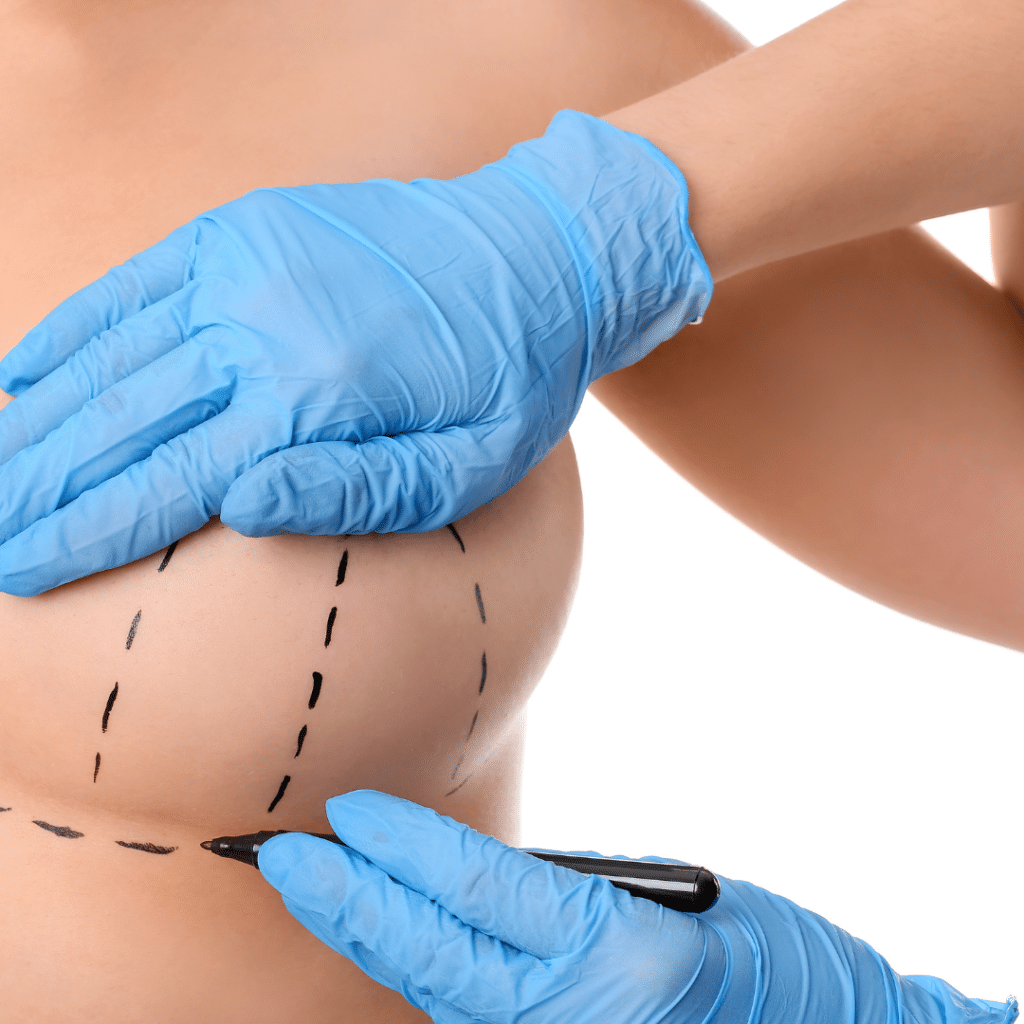
It’s crucial for individuals with BDD to seek treatment from mental health professionals who can provide them with the support and guidance they need to overcome their negative body image. By addressing the underlying issues contributing to their dissatisfaction with their appearance individuals with BDD can work towards improving their self esteem and overall well being.
Related Topics About Body Dysmorphic Disorder and Cosmetic Surgery: Understanding the Link
Can Plastic Surgery Ever Solve Body Dysmorphic Disorder,
Can You Get Plastic Surgery If You Have Body Dysmorphia,
Does Cosmetic Surgery Help Body Dysmorphic Disorder,
Does Plastic Surgery Help Body Dysmorphia