

Congenital aesthetic concerns refer to physical anomalies that are present at birth, affecting an individual’s appearance. These conditions can range from minor imperfections to significant deformities, impacting various parts of the body, including the face, limbs, and torso. As you navigate through life, you may find that these concerns can influence not only your physical appearance but also your self-esteem and social interactions.
Understanding the nature of these congenital issues is crucial for anyone considering options for improvement or correction. You might be surprised to learn that congenital aesthetic concerns can arise from a variety of factors, including genetic predispositions, environmental influences during pregnancy, or even random developmental errors. Conditions such as cleft lip and palate, congenital ear deformities, and limb malformations are just a few examples of how these issues manifest.
Recognizing the underlying causes can help you better understand your own situation or that of a loved one, paving the way for informed decisions regarding treatment options.
Key Takeaways
- Congenital aesthetic concerns refer to physical features or abnormalities present at birth that may impact a person’s appearance and self-esteem.
- Types of plastic surgery for congenital aesthetic concerns include cleft lip and palate repair, craniofacial reconstruction, and ear reshaping.
- Risks and considerations for plastic surgery in congenital cases include potential complications, the need for multiple surgeries, and the importance of realistic expectations.
- Success rates and expectations for plastic surgery in congenital cases vary depending on the specific condition and the individual’s unique circumstances.
- The emotional and psychological impact of congenital aesthetic concerns can be significant, leading to low self-esteem, social anxiety, and depression.
- Choosing the right plastic surgeon for congenital cases involves finding a specialist with experience in treating the specific condition and a compassionate approach to patient care.
- Alternative options for addressing congenital aesthetic concerns may include non-surgical treatments, such as orthodontic procedures or counseling for body image issues.
- Support and resources for individuals with congenital aesthetic concerns can be found through patient advocacy groups, online communities, and counseling services.
Types of Plastic Surgery for Congenital Aesthetic Concerns
When it comes to addressing congenital aesthetic concerns, various types of plastic surgery can be employed to enhance appearance and function. You may find that surgical interventions can significantly improve both the aesthetic and functional aspects of your condition. For instance, cleft lip and palate repair is a common procedure that not only enhances facial symmetry but also improves speech and eating capabilities.
This type of surgery is often performed in stages, beginning in infancy and continuing into adolescence, allowing for gradual improvement as you grow. Another common procedure is otoplasty, which corrects protruding or misshapen ears. If you have experienced teasing or self-consciousness due to your ear shape, this surgery can help restore balance to your facial features.
Additionally, limb reconstruction surgeries can address congenital limb deficiencies or deformities, enabling you to lead a more active and fulfilling life. Each of these procedures is tailored to your specific needs, ensuring that the surgical approach aligns with your personal goals and medical requirements.
Risks and Considerations for Plastic Surgery in Congenital Cases

While plastic surgery can offer transformative results for congenital aesthetic concerns, it is essential to consider the associated risks and complications. As you contemplate surgery, you should be aware that every surgical procedure carries inherent risks, including infection, scarring, and anesthesia complications. These risks can be heightened in congenital cases due to the unique anatomical considerations involved.
Therefore, it is crucial to have open discussions with your surgeon about potential complications and how they may impact your specific situation. Moreover, the timing of surgery is another critical factor to consider. Some procedures may be best performed at certain developmental stages to achieve optimal results.
For example, early intervention may be necessary for conditions like cleft lip and palate to facilitate normal speech development. Conversely, other surgeries may be postponed until you reach a certain age or level of physical maturity. Understanding these nuances will empower you to make informed decisions about the timing and type of surgery that best suits your needs.
Success Rates and Expectations for Plastic Surgery in Congenital Cases
When considering plastic surgery for congenital aesthetic concerns, it is natural to wonder about success rates and what you can realistically expect from the procedure. Generally speaking, many surgical interventions for congenital conditions have high success rates, particularly when performed by experienced surgeons specializing in this field. For instance, cleft lip repair has a success rate exceeding 90%, with most patients achieving significant improvements in both appearance and function.
However, it is essential to maintain realistic expectations throughout the process. While surgery can lead to remarkable changes, it may not result in a “perfect” appearance. You should focus on the functional improvements and enhanced quality of life that often accompany these procedures.
Engaging in thorough discussions with your surgeon about expected outcomes will help you set achievable goals and foster a positive mindset as you embark on this journey.
Emotional and Psychological Impact of Congenital Aesthetic Concerns
The emotional and psychological impact of congenital aesthetic concerns cannot be overstated. If you have lived with a visible difference since birth, you may have experienced feelings of self-consciousness or isolation at various points in your life. These feelings can stem from societal pressures regarding beauty standards or from personal experiences of bullying or discrimination.
Understanding that these emotions are valid is an important step toward healing and self-acceptance. Moreover, the decision to pursue plastic surgery can also evoke a range of emotions. You might feel excitement about the prospect of change but also anxiety about the surgical process itself.
It is essential to acknowledge these feelings and seek support from friends, family, or mental health professionals as needed. Engaging in counseling or support groups can provide valuable insights and coping strategies as you navigate the emotional landscape associated with congenital aesthetic concerns.
Choosing the Right Plastic Surgeon for Congenital Cases
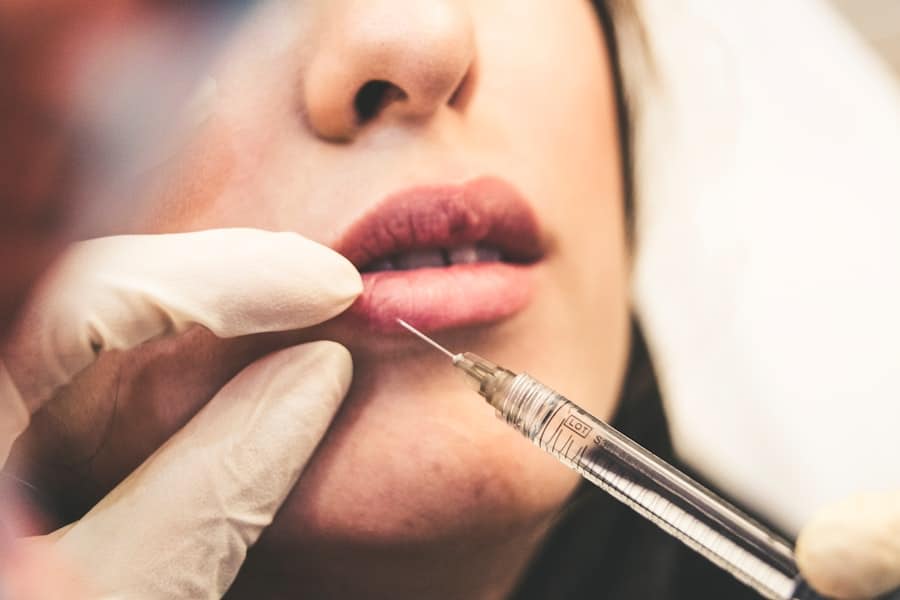
Selecting the right plastic surgeon is a critical step in addressing congenital aesthetic concerns effectively. You should prioritize finding a surgeon who specializes in congenital conditions and has a proven track record of successful outcomes. Researching potential surgeons’ credentials, experience, and patient reviews will help you make an informed choice.
You may also want to schedule consultations with multiple surgeons to gauge their approach and ensure you feel comfortable with their expertise. During your consultations, don’t hesitate to ask questions about their experience with similar cases, their surgical techniques, and their approach to post-operative care. A good surgeon will take the time to listen to your concerns and provide clear explanations about the procedures involved.
Building a trusting relationship with your surgeon is essential for achieving the best possible results and feeling confident throughout the surgical journey.
Alternative Options for Addressing Congenital Aesthetic Concerns
While plastic surgery is often a popular choice for addressing congenital aesthetic concerns, it is not the only option available to you. Depending on your specific situation, there may be alternative treatments that can help improve your appearance without surgical intervention. For instance, orthodontic treatments can address dental issues associated with cleft lip and palate, while prosthetics may offer solutions for limb deficiencies.
Additionally, non-surgical cosmetic procedures such as fillers or laser treatments may provide temporary enhancements for certain conditions. Exploring these alternatives allows you to weigh the benefits and drawbacks of each option before making a decision. Consulting with a qualified medical professional will help you determine which approach aligns best with your goals and lifestyle.
Support and Resources for Individuals with Congenital Aesthetic Concerns
Navigating congenital aesthetic concerns can be challenging, but numerous support resources are available to assist you on this journey. Organizations dedicated to specific conditions often provide valuable information, advocacy, and community support for individuals facing similar challenges. Connecting with others who share your experiences can foster a sense of belonging and understanding.
In addition to support groups, online forums and social media platforms can serve as valuable spaces for sharing stories and advice. You might also consider seeking professional counseling if you’re struggling with self-esteem or emotional issues related to your condition. Remember that you are not alone in this journey; there are resources available to help you find strength and resilience as you navigate your unique path toward self-acceptance and improvement.
If you are considering plastic surgery to correct congenital or birth-related aesthetic concerns, you may also be interested in learning more about the services offered at Plastic Cosmetic Surgery Near Me in Clear Lake, NASA, Houston, Texas. Their team of experienced surgeons specializes in a variety of procedures to help patients achieve their desired look. Whether you are looking to address a cleft lip, craniofacial abnormalities, or other birth-related concerns, they can provide personalized treatment options to meet your needs. Additionally, you may want to explore the services available at Plastic Cosmetic Surgery Near Me in Montrose, Houston, Texas or Aurora, Colorado for additional options and expertise in the field of plastic surgery.
FAQs
What is congenital or birth-related aesthetic concerns?
Congenital or birth-related aesthetic concerns refer to physical features or abnormalities that are present at birth, such as cleft lip and palate, craniofacial anomalies, and other facial or body deformities.
Can plastic surgery correct congenital or birth-related aesthetic concerns?
Yes, plastic surgery can often correct congenital or birth-related aesthetic concerns. Procedures such as cleft lip and palate repair, craniofacial reconstruction, and other corrective surgeries can help improve the appearance and function of affected areas.
At what age can plastic surgery be performed to correct congenital or birth-related aesthetic concerns?
The timing of plastic surgery for congenital or birth-related aesthetic concerns varies depending on the specific condition and the individual’s overall health. Some procedures may be performed in infancy, while others may be delayed until adolescence or adulthood.
What are the potential risks and complications of plastic surgery for congenital or birth-related aesthetic concerns?
As with any surgical procedure, there are potential risks and complications associated with plastic surgery for congenital or birth-related aesthetic concerns. These may include infection, scarring, anesthesia risks, and the need for additional surgeries.
Is plastic surgery the only option for correcting congenital or birth-related aesthetic concerns?
Plastic surgery is not the only option for correcting congenital or birth-related aesthetic concerns. Depending on the specific condition, non-surgical treatments such as orthodontic care, speech therapy, and counseling may also be part of the comprehensive treatment plan.