

Plastic surgery has evolved significantly over the years, offering individuals a chance to enhance their appearance and boost their self-esteem. You may find yourself contemplating the possibilities that plastic surgery presents, especially if you have scars or imperfections that affect your confidence. The field encompasses a wide range of procedures, from reconstructive surgeries aimed at restoring function and form to aesthetic enhancements that focus on beauty and symmetry.
Understanding the potential of plastic surgery is crucial, as it can empower you to make informed decisions about your body and appearance. As you delve into the world of plastic surgery, it’s essential to recognize that the potential benefits extend beyond mere aesthetics. Many individuals seek these procedures not just for cosmetic reasons but also for psychological well-being.
The transformation that comes with successful surgery can lead to improved self-image and a renewed sense of confidence. Whether you are dealing with scars from accidents, surgeries, or skin conditions, plastic surgery can offer solutions that help you feel more comfortable in your skin. By understanding the full scope of what plastic surgery can achieve, you can better assess whether it aligns with your personal goals and desires.
Key Takeaways
- Plastic surgery has the potential to improve physical appearance and boost self-confidence.
- Scars and imperfections such as acne scars, keloids, and surgical scars can be effectively addressed through various surgical and non-surgical options.
- The consultation and evaluation process is crucial for determining the most suitable treatment plan for scar revision.
- Surgical options for scar revision include techniques such as excision, skin grafting, and tissue expansion.
- Non-surgical options for scar revision include laser therapy, chemical peels, and dermabrasion, which can improve the appearance of scars with minimal downtime.
Types of Scars and Imperfections that Can be Addressed
Scars come in various forms, each with its unique characteristics and challenges. You may be familiar with hypertrophic scars, which are raised and often red or dark in color, typically resulting from injuries or surgeries. These scars can be particularly bothersome, as they may draw attention and affect your overall appearance.
Another common type is keloid scars, which extend beyond the original wound site and can be itchy or painful. Understanding these different types of scars is essential in determining the most effective treatment options available to you. In addition to scars, there are other imperfections that plastic surgery can address.
Acne scars, for instance, can leave behind pitted or textured skin that may be difficult to conceal with makeup. Stretch marks, often a result of rapid weight changes or pregnancy, can also be a source of concern for many individuals. You might also be dealing with skin irregularities such as uneven pigmentation or age spots that contribute to an overall feeling of dissatisfaction with your appearance.
By identifying the specific types of scars and imperfections you wish to address, you can better communicate your goals during consultations with medical professionals.
Consultation and Evaluation Process
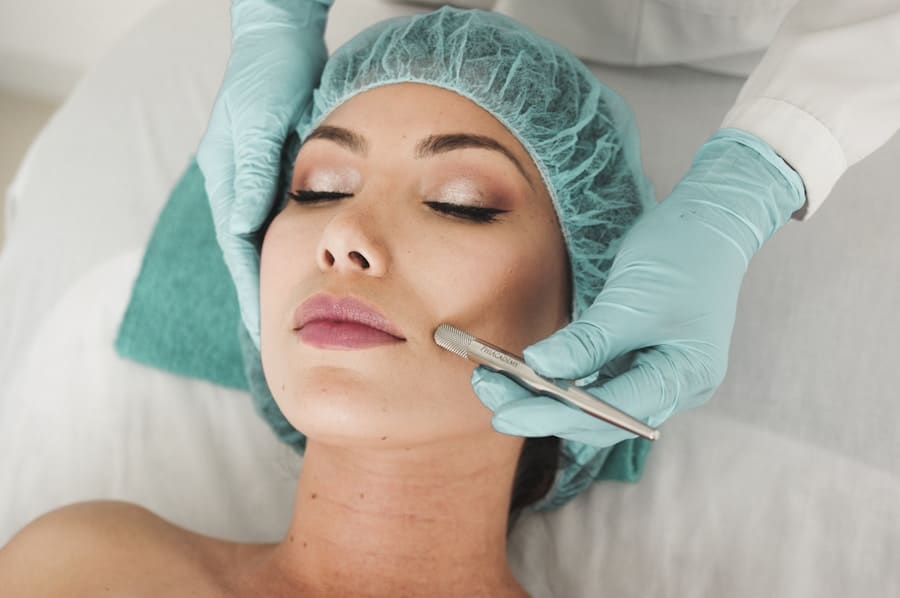
The journey toward scar revision begins with a thorough consultation and evaluation process. During this initial meeting, you will have the opportunity to discuss your concerns and expectations with a qualified plastic surgeon. It’s important to come prepared with questions and a clear understanding of what you hope to achieve.
The surgeon will assess your scars and overall skin condition, taking into account factors such as your medical history and lifestyle. This evaluation is crucial in determining the most appropriate treatment options tailored to your needs. In addition to discussing your goals, the consultation is also a time for you to learn about the various techniques available for scar revision.
Your surgeon will explain the differences between surgical and non-surgical options, helping you weigh the pros and cons of each approach. This dialogue is essential for establishing trust and ensuring that you feel comfortable with the proposed plan. Remember, this is a collaborative process; your input is invaluable in shaping the course of your treatment.
Surgical Options for Scar Revision
When it comes to surgical options for scar revision, several techniques can effectively improve the appearance of scars. One common method is excision, where the surgeon removes the scar tissue entirely and closes the wound with sutures. This technique is particularly effective for raised scars or those that are well-defined.
You may find that excision not only reduces the visibility of the scar but also allows for a more aesthetically pleasing result. Another surgical option is dermabrasion, which involves using a specialized tool to exfoliate the top layers of skin. This technique can smooth out uneven textures caused by scars and promote new skin growth.
If you have deeper scars or those that have caused significant skin irregularities, your surgeon may recommend a combination of techniques to achieve optimal results. It’s essential to discuss these options thoroughly during your consultation so that you can make an informed decision based on your specific needs and desired outcomes.
Non-Surgical Options for Scar Revision
If you’re hesitant about undergoing surgery, there are several non-surgical options available for scar revision that may suit your preferences better. One popular method is laser therapy, which uses focused light energy to target scar tissue and stimulate collagen production. This treatment can significantly improve the texture and color of scars without the need for invasive procedures.
You might find that multiple sessions are required to achieve the desired results, but many patients report high satisfaction levels with this approach. Another non-surgical option is chemical peels, which involve applying a solution to exfoliate the outer layers of skin. This process can help reduce the appearance of superficial scars and improve overall skin tone.
Microneedling is another innovative technique gaining popularity; it involves creating tiny punctures in the skin to promote healing and collagen production. Each of these non-surgical methods has its benefits and limitations, so it’s essential to discuss them with your healthcare provider to determine which option aligns best with your goals.
Risks and Considerations

Understanding the Risks of Plastic Surgery
While plastic surgery offers numerous benefits, it’s crucial to be aware of the potential risks and considerations involved in any procedure. You may experience complications such as infection, scarring, or adverse reactions to anesthesia. It’s essential to have an open dialogue with your surgeon about these risks so that you can make an informed decision about proceeding with treatment.
Emotional Readiness for Surgery
Understanding these factors will help you weigh the potential rewards against any concerns you may have. Additionally, consider your emotional readiness for surgery. The decision to undergo any form of plastic surgery should not be taken lightly; it requires careful thought and consideration of your motivations.
Reflecting on Your Reasons
You should ensure that your expectations are realistic and grounded in a desire for personal improvement rather than external validation. Taking time to reflect on your reasons for seeking scar revision will help you approach the process with a clear mindset.
Recovery and Aftercare
Recovery from scar revision surgery varies depending on the specific procedure performed and individual healing rates. After surgery, you will likely experience some swelling, bruising, or discomfort in the treated area. Your surgeon will provide detailed aftercare instructions to help manage these symptoms effectively.
It’s essential to follow these guidelines closely to promote optimal healing and minimize complications. During your recovery period, you may need to avoid strenuous activities or sun exposure for a certain duration. Keeping the surgical site clean and moisturized is crucial in preventing infection and ensuring proper healing.
Regular follow-up appointments with your surgeon will allow them to monitor your progress and address any concerns that may arise during recovery. Remember that patience is key; while you may be eager to see results, it often takes time for scars to heal fully and reveal their improved appearance.
Realistic Expectations and Long-Term Results
As you consider scar revision options, it’s vital to maintain realistic expectations regarding the outcomes of any procedure. While many individuals experience significant improvements in their scars’ appearance, complete removal is not always possible. Understanding this reality will help you approach the process with a balanced perspective and appreciate the progress made rather than focusing solely on perfection.
Long-term results from scar revision can vary based on several factors, including skin type, age, and adherence to aftercare instructions. Many patients find that their scars become less noticeable over time as they continue to heal and fade naturally. Engaging in healthy lifestyle practices such as proper skincare, hydration, and sun protection can further enhance long-term results.
Ultimately, embracing your unique journey toward self-improvement will allow you to appreciate not only the physical changes but also the emotional growth that accompanies them. In conclusion, exploring plastic surgery for scar revision opens up a world of possibilities for enhancing your appearance and boosting your confidence. By understanding the types of scars that can be addressed, engaging in thorough consultations, considering both surgical and non-surgical options, being aware of risks, following proper aftercare protocols, and maintaining realistic expectations, you can navigate this journey with clarity and purpose.
Remember that this process is not just about changing how you look; it’s about embracing who you are and feeling empowered in your own skin.
If you are considering plastic surgery to fix scars or other imperfections, you may want to explore your options at Plastic Cosmetic Surgery Near Me in South Philadelphia, Pennsylvania. This article discusses the various procedures available to address scars and imperfections, as well as the benefits and risks associated with each. Additionally, you may find valuable information at Plastic Cosmetic Surgery Near Me in Henderson, Nevada and Plastic Cosmetic Surgery Near Me in Fort Worth, Texas to help you make an informed decision about your cosmetic surgery options.
FAQs
What is plastic surgery?
Plastic surgery is a surgical specialty that involves the restoration, reconstruction, or alteration of the human body. It can be performed to improve a person’s appearance, or for reconstructive purposes to correct physical defects caused by injury, disease, or birth disorders.
Can plastic surgery fix scars?
Yes, plastic surgery can be used to improve the appearance of scars. Techniques such as scar revision, skin grafting, and tissue expansion can be used to minimize the appearance of scars and improve their texture and color.
Can plastic surgery fix other imperfections?
Plastic surgery can be used to address a wide range of imperfections, including birth defects, burns, traumatic injuries, and cosmetic concerns such as wrinkles, sagging skin, and asymmetrical features.
What are the risks of plastic surgery?
Like any surgical procedure, plastic surgery carries risks such as infection, bleeding, scarring, and adverse reactions to anesthesia. It’s important to discuss the potential risks and complications with a qualified plastic surgeon before undergoing any procedure.
How long does it take to recover from plastic surgery?
Recovery time can vary depending on the type of plastic surgery procedure performed. Some procedures may require only a few days of recovery, while others may require several weeks or months for full recovery. It’s important to follow the post-operative care instructions provided by the surgeon to ensure a smooth recovery process.