

Cosmetic surgery has become a significant aspect of modern society, offering individuals the opportunity to enhance their physical appearance and boost their self-esteem. This branch of surgery focuses on improving aesthetic appeal, symmetry, and proportion, allowing you to achieve the look you desire. Whether it’s a subtle enhancement or a dramatic transformation, cosmetic surgery encompasses a wide range of procedures that cater to various needs and preferences.
As you navigate through the world of cosmetic enhancements, it’s essential to understand the implications, benefits, and potential risks associated with these procedures. In recent years, the popularity of cosmetic surgery has surged, driven by advancements in technology, increased accessibility, and changing societal norms. You may find yourself surrounded by images of idealized beauty in media and advertising, which can influence your perceptions of self-worth and attractiveness.
This cultural shift has led many to consider cosmetic surgery not just as a luxury but as a viable option for personal improvement. As you delve deeper into this topic, you will discover the multifaceted nature of cosmetic surgery and its impact on individuals and society as a whole.
Key Takeaways
- Cosmetic surgery is a type of plastic surgery that aims to improve a person’s appearance.
- The number of cosmetic surgery procedures has been steadily increasing over the years, with liposuction and breast augmentation being the most popular.
- People undergo cosmetic surgery for various reasons, including improving self-esteem, correcting physical imperfections, and enhancing their overall appearance.
- The majority of cosmetic surgery patients are women, but there is a growing number of men seeking these procedures as well.
- While cosmetic surgery can have positive effects on a person’s confidence and self-image, it also comes with potential risks and complications that should be carefully considered.
Statistics on Cosmetic Surgery
From Niche to Mainstream
As you explore these figures, it becomes evident that cosmetic surgery is no longer a niche market but rather a mainstream phenomenon embraced by diverse populations. Moreover, the rise in minimally invasive procedures has contributed significantly to these statistics. Treatments such as Botox injections and dermal fillers have gained immense popularity due to their quick recovery times and relatively low risks.
A Shift Towards Non-Surgical Options
You might be surprised to learn that non-surgical procedures accounted for over 15 million treatments in 2020, showcasing a shift in preference towards less invasive options. These trends reflect not only advancements in medical technology but also changing attitudes towards beauty and self-improvement.
Advancements and Changing Attitudes
The growing demand for cosmetic surgery and the shift towards non-surgical options are a testament to the evolving landscape of the industry. As technology continues to advance and attitudes towards beauty and self-improvement change, it will be interesting to see how the statistics surrounding cosmetic surgery continue to unfold.
Common Types of Cosmetic Surgery

When considering cosmetic surgery, it’s essential to familiarize yourself with the various types of procedures available. Among the most common surgical options are breast augmentation, liposuction, rhinoplasty (nose reshaping), and facelifts. Each of these procedures serves a unique purpose and can significantly alter your appearance.
For instance, breast augmentation can enhance breast size and shape, while liposuction targets stubborn fat deposits to create a more contoured silhouette. Understanding these options allows you to make informed decisions about what might be right for you. In addition to these popular surgeries, there are numerous other procedures that cater to specific aesthetic goals.
For example, eyelid surgery (blepharoplasty) can rejuvenate tired-looking eyes by removing excess skin and fat, while tummy tucks (abdominoplasty) can help achieve a flatter abdominal profile after significant weight loss or pregnancy. As you consider your options, it’s crucial to consult with qualified professionals who can guide you through the process and help you determine which procedure aligns best with your desired outcomes.
Reasons for Undergoing Cosmetic Surgery
The motivations behind choosing cosmetic surgery are as varied as the individuals who seek them. For many, the primary reason is to enhance self-esteem and body image. You may feel that certain features do not align with your self-perception or societal standards of beauty, prompting you to seek surgical intervention.
This desire for improvement can stem from personal experiences, cultural influences, or even social media portrayals of beauty that create unrealistic expectations. Additionally, some individuals pursue cosmetic surgery as a means of addressing physical concerns that may have resulted from aging or life events. For instance, after significant weight loss, you might find yourself dealing with excess skin that affects your confidence and comfort.
In such cases, surgical options can provide not only aesthetic benefits but also functional improvements. Understanding your motivations is crucial in ensuring that your decision is well-informed and aligns with your personal goals.
Demographics of Cosmetic Surgery Patients
The demographics of cosmetic surgery patients have evolved significantly over the years. Traditionally associated with women seeking breast enhancements or facelifts, the landscape has broadened to include a more diverse range of individuals. Today, men are increasingly opting for cosmetic procedures, with treatments like gynecomastia surgery (male breast reduction) and facial fillers gaining popularity among male patients.
This shift reflects changing societal norms regarding masculinity and beauty standards. Age also plays a critical role in the demographics of cosmetic surgery patients. While younger individuals often seek procedures like rhinoplasty or breast augmentation, older adults may pursue surgeries aimed at reversing signs of aging.
You might be surprised to learn that the fastest-growing demographic for cosmetic procedures is individuals aged 30 to 39, indicating that younger generations are more open to exploring surgical options than ever before. This trend suggests a cultural shift towards prioritizing personal appearance and well-being across all age groups.
Risks and Complications of Cosmetic Surgery
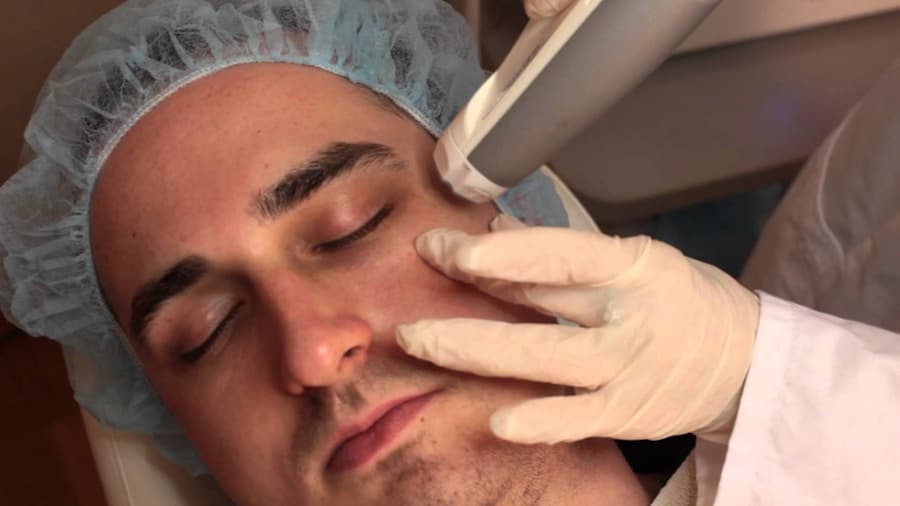
While cosmetic surgery can offer transformative results, it is essential to acknowledge the inherent risks and potential complications associated with these procedures. As you consider undergoing surgery, understanding these risks will empower you to make informed decisions about your health and well-being. Common risks include infection, scarring, anesthesia complications, and dissatisfaction with results.
It’s crucial to have realistic expectations about what surgery can achieve and to discuss any concerns with your surgeon. Moreover, complications can arise even in seemingly routine procedures. For instance, hematomas (blood clots) or seromas (fluid accumulation) can occur post-surgery, leading to additional interventions or extended recovery times.
You should also be aware of the psychological impact that dissatisfaction with results can have on your mental health. It’s vital to engage in thorough consultations with qualified professionals who can provide insight into both the benefits and risks associated with your chosen procedure.
Cultural and Societal Attitudes Towards Cosmetic Surgery
Cultural attitudes towards cosmetic surgery vary widely across different societies and communities. In some cultures, undergoing cosmetic procedures is celebrated as a means of self-improvement and empowerment. You may find that in certain regions, enhancing one’s appearance through surgery is viewed as a positive step towards achieving personal goals or societal acceptance.
This acceptance can foster an environment where individuals feel encouraged to pursue their desired aesthetic changes without fear of judgment. Conversely, there are cultures where cosmetic surgery is stigmatized or viewed as superficial. In these contexts, individuals may face societal pressure to conform to natural beauty standards or experience criticism for altering their appearance.
As you navigate your own feelings about cosmetic surgery, it’s essential to consider how cultural influences shape perceptions of beauty and self-worth. Engaging in open conversations about these attitudes can help foster understanding and acceptance within diverse communities.
Conclusion and Future Trends in Cosmetic Surgery
As you reflect on the evolving landscape of cosmetic surgery, it becomes clear that this field is poised for continued growth and innovation. Advances in technology are paving the way for safer procedures with improved outcomes, while non-invasive options are becoming increasingly sophisticated. You may find yourself intrigued by emerging trends such as personalized treatments tailored to individual genetic profiles or the integration of artificial intelligence in surgical planning.
Furthermore, as societal attitudes continue to shift towards acceptance and normalization of cosmetic enhancements, it’s likely that more individuals will feel empowered to explore their options without fear of stigma. The future of cosmetic surgery holds promise not only for those seeking aesthetic improvements but also for fostering a culture that values self-expression and individuality. As you consider your own journey within this realm, remember that informed choices lead to empowered decisions—ultimately shaping your path toward self-enhancement and fulfillment.
If you are interested in learning more about the psychological impact of cosmetic surgery, I recommend checking out this link or this link.
FAQs
What is cosmetic surgery?
Cosmetic surgery is a type of plastic surgery that aims to improve a person’s appearance. It can be performed on any part of the body, including the face and neck.
How common is cosmetic surgery?
Cosmetic surgery is becoming increasingly common, with millions of procedures performed each year around the world. The popularity of cosmetic surgery has been growing steadily over the past few decades.
What are the most common types of cosmetic surgery?
Some of the most common types of cosmetic surgery include breast augmentation, liposuction, rhinoplasty (nose job), eyelid surgery, and facelifts. Non-surgical procedures such as Botox and dermal fillers are also popular.
Who typically undergoes cosmetic surgery?
Cosmetic surgery is sought by people of all ages and backgrounds. While it was once primarily associated with women, an increasing number of men are also undergoing cosmetic procedures.
What are the reasons people undergo cosmetic surgery?
People undergo cosmetic surgery for a variety of reasons, including to improve their self-esteem, correct physical imperfections, or enhance their appearance for personal or professional reasons.
What are the risks associated with cosmetic surgery?
Like any surgical procedure, cosmetic surgery carries risks such as infection, scarring, and complications from anesthesia. It’s important for individuals considering cosmetic surgery to thoroughly research the procedure and choose a qualified surgeon.