
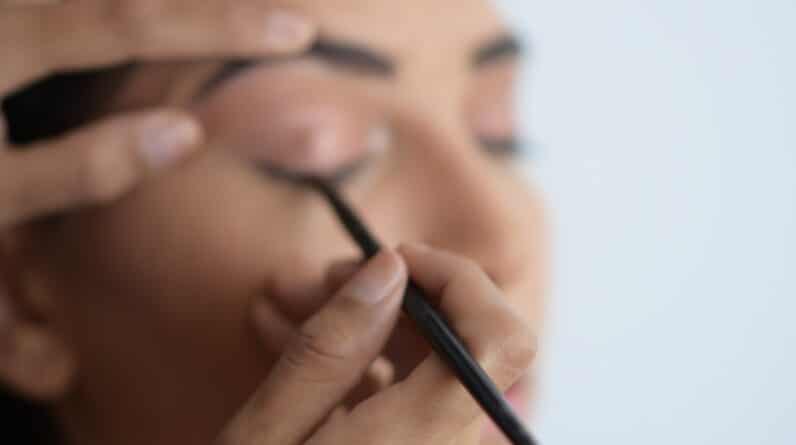
Microneedling, also known as collagen induction therapy, is a minimally invasive cosmetic procedure that has gained significant popularity in recent years. This technique involves the use of fine needles to create micro-injuries in the skin’s surface, stimulating the body’s natural healing process. As you undergo this treatment, your skin responds by producing collagen and elastin, two essential proteins that contribute to skin elasticity and firmness.
The procedure can be performed on various areas of the body, including the face, neck, and even stretch marks or scars on other parts of the body. The process typically begins with a consultation where your skincare professional assesses your skin type and discusses your goals. During the treatment, a topical anesthetic is applied to minimize discomfort.
You may feel a slight prickling sensation as the microneedles penetrate the skin. The entire session usually lasts about 30 to 60 minutes, depending on the area being treated. Afterward, you may notice some redness and swelling, similar to a mild sunburn, but these effects generally subside within a few days.
Understanding microneedling is crucial for anyone considering this treatment, as it sets the foundation for what to expect and how it can benefit your skin.
Key Takeaways
- Microneedling is a minimally invasive cosmetic procedure that uses small needles to prick the skin.
- Radiofrequency is a cosmetic treatment that uses radio waves to heat the skin and stimulate collagen production.
- Microneedling can improve skin texture, reduce scarring, and promote collagen production.
- Radiofrequency can tighten the skin, reduce wrinkles, and improve skin tone and texture.
- Risks of microneedling include redness, swelling, and potential for infection, while risks of radiofrequency include burns and changes in skin pigmentation.
Understanding Radiofrequency
Radiofrequency (RF) therapy is another innovative skin treatment that utilizes energy waves to heat the deeper layers of the skin. This process stimulates collagen production and tightens the skin without the need for invasive surgery. RF therapy is particularly appealing because it can be used on various skin types and tones, making it a versatile option for many individuals seeking skin rejuvenation.
The technology works by delivering controlled heat to the dermis, which encourages cellular turnover and promotes a more youthful appearance. During an RF session, a handheld device is used to emit radiofrequency energy into the skin. You may feel a warm sensation as the device glides over your skin, but it is generally well-tolerated and does not require anesthesia.
The treatment can last anywhere from 30 minutes to an hour, depending on the area being treated. One of the significant advantages of RF therapy is that it requires little to no downtime, allowing you to return to your daily activities almost immediately after the procedure. Understanding radiofrequency therapy is essential for making informed decisions about your skincare options and determining if this treatment aligns with your aesthetic goals.
The Benefits of Microneedling
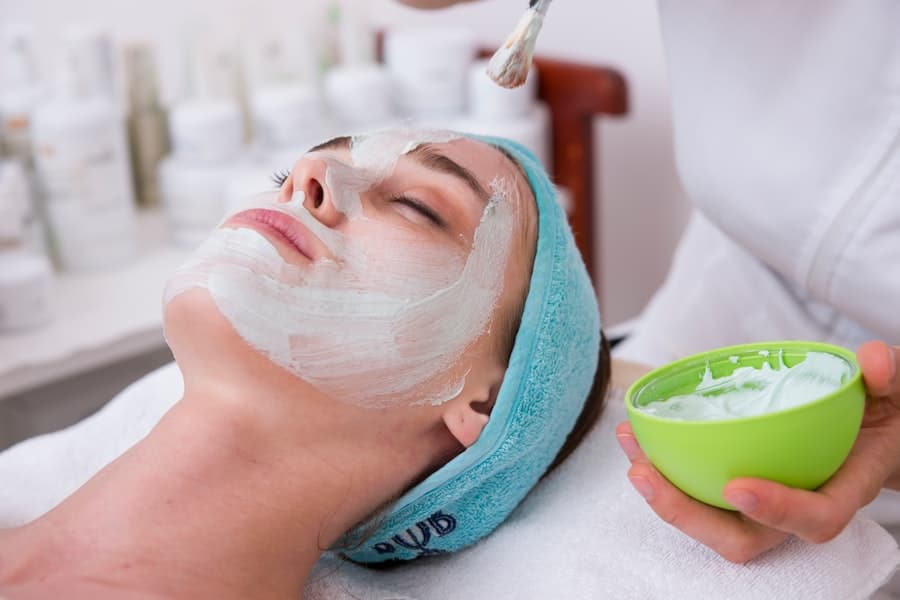
Microneedling offers a plethora of benefits that can significantly enhance your skin’s appearance and texture. One of the most notable advantages is its ability to improve the appearance of fine lines and wrinkles. As you age, collagen production naturally decreases, leading to sagging skin and visible signs of aging.
By stimulating collagen production through microneedling, you can achieve a more youthful complexion over time. Many individuals report noticeable improvements in their skin’s firmness and elasticity after just a few sessions. In addition to reducing fine lines, microneedling is effective in treating acne scars and other types of scarring.
The micro-injuries created during the procedure encourage the skin to heal itself, resulting in smoother and more even-toned skin. Furthermore, microneedling enhances the absorption of topical products, allowing serums and moisturizers to penetrate deeper into the skin for maximum effectiveness. This means that incorporating high-quality skincare products into your routine post-treatment can yield even more impressive results.
Overall, microneedling is a powerful tool for rejuvenating your skin and addressing various concerns.
The Benefits of Radiofrequency
Radiofrequency therapy boasts numerous benefits that make it an attractive option for those seeking non-invasive skin rejuvenation. One of its primary advantages is its ability to tighten loose or sagging skin effectively. As you age, your skin loses elasticity due to decreased collagen production.
RF therapy addresses this issue by stimulating collagen synthesis in the deeper layers of the skin, resulting in a firmer and more lifted appearance. Many individuals notice immediate tightening effects after just one session, with continued improvements over time as collagen builds. Another significant benefit of radiofrequency therapy is its versatility.
It can be used on various areas of the body, including the face, neck, abdomen, and thighs. This makes it an excellent option for those looking to target multiple areas without undergoing invasive procedures. Additionally, RF therapy is suitable for all skin types and tones, making it accessible to a broader audience.
The minimal downtime associated with this treatment allows you to resume your daily activities almost immediately, making it a convenient choice for busy individuals seeking effective skincare solutions.
The Risks and Side Effects of Microneedling
While microneedling is generally considered safe for most individuals, it does come with some risks and potential side effects that you should be aware of before undergoing treatment. One common side effect is temporary redness and swelling at the treatment site, which typically subsides within a few days. However, in some cases, you may experience bruising or bleeding if the needles penetrate too deeply or if you have sensitive skin.
It’s essential to choose a qualified practitioner who understands your skin type and can tailor the treatment accordingly. Another risk associated with microneedling is infection. Since the procedure involves creating tiny wounds in the skin, there is a possibility of bacteria entering these openings if proper aftercare is not followed.
To minimize this risk, it’s crucial to adhere to post-treatment instructions provided by your skincare professional. Additionally, individuals with certain skin conditions or those who are pregnant should consult with their healthcare provider before considering microneedling. Being informed about these risks will help you make an educated decision about whether this treatment aligns with your skincare goals.
The Risks and Side Effects of Radiofrequency
Radiofrequency therapy is generally regarded as safe; however, like any cosmetic procedure, it carries some risks and potential side effects that you should consider before proceeding. One common side effect is mild redness or swelling in the treated area, which usually resolves within a few hours to a couple of days. In rare cases, you may experience burns or blisters if the device is not used correctly or if excessive heat is applied during treatment.
To mitigate these risks, it’s essential to seek treatment from a qualified professional who has experience with RF technology. Another consideration is that while RF therapy is suitable for most individuals, those with certain medical conditions or implanted devices (such as pacemakers) may not be ideal candidates for this treatment. It’s crucial to disclose your medical history during your consultation so that your practitioner can assess whether RF therapy is appropriate for you.
Understanding these potential risks will empower you to make informed decisions about your skincare journey and ensure that you choose treatments that align with your health and aesthetic goals.
Choosing Between Microneedling and Radiofrequency
When deciding between microneedling and radiofrequency therapy, it’s essential to consider your specific skincare goals and concerns. If you’re primarily focused on improving skin texture, reducing fine lines, or addressing acne scars, microneedling may be the better option for you. This treatment excels at promoting collagen production through controlled micro-injuries and can lead to significant improvements in overall skin quality over time.
On the other hand, if you’re looking for immediate tightening effects or want to address sagging skin without downtime, radiofrequency therapy might be more suitable for your needs. RF therapy provides a non-invasive solution for lifting and firming various areas of the body while also promoting collagen synthesis deep within the skin layers. Ultimately, consulting with a qualified skincare professional can help you weigh the pros and cons of each treatment based on your unique circumstances.
Combining Microneedling and Radiofrequency for Enhanced Results
For those seeking optimal results in their skincare journey, combining microneedling and radiofrequency therapy can be an effective strategy. By integrating both treatments into your regimen, you can harness the benefits of each method while addressing multiple concerns simultaneously. For instance, microneedling can enhance the absorption of topical serums used during RF therapy, allowing for deeper penetration of active ingredients that promote healing and rejuvenation.
Additionally, using both treatments in tandem can lead to more comprehensive improvements in skin texture and firmness. While microneedling focuses on surface-level concerns such as scars and fine lines, radiofrequency targets deeper layers for tightening effects. This combination approach not only maximizes results but also minimizes downtime since both treatments are minimally invasive.
If you’re considering this dual approach, discussing it with your skincare professional will help you create a tailored plan that aligns with your aesthetic goals while ensuring safety and efficacy throughout your journey. In conclusion, understanding both microneedling and radiofrequency therapy equips you with valuable knowledge as you navigate your skincare options. Each treatment offers unique benefits while also presenting certain risks that should be carefully considered before proceeding.
By evaluating your specific needs and consulting with qualified professionals, you can make informed decisions that lead to healthier, more radiant skin over time.
If you’re exploring the benefits and differences between microneedling and radiofrequency treatments, you might also be interested in broader ethical considerations surrounding cosmetic procedures aimed at enhancing youthfulness. An insightful article that delves into these ethical aspects can provide a deeper understanding of the implications and responsibilities associated with cosmetic enhancements. You can read more about this topic by visiting Ethical Considerations in Enhancing Youthfulness Through Surgery. This article offers a thoughtful exploration of the moral and ethical debates in the field of cosmetic surgery, which could be beneficial in making informed decisions about treatments like microneedling and radiofrequency.
FAQs
What is microneedling?
Microneedling is a cosmetic procedure that involves using a device with fine needles to create tiny punctures in the top layer of the skin. This stimulates the body’s natural wound healing process, leading to increased collagen and elastin production.
What is radiofrequency treatment?
Radiofrequency treatment is a non-invasive cosmetic procedure that uses radiofrequency energy to heat the deeper layers of the skin. This stimulates collagen and elastin production, leading to tighter, firmer skin.
How does microneedling work?
Microneedling works by creating controlled micro-injuries to the skin, which triggers the body’s natural healing process. This results in the production of new collagen and elastin, leading to improved skin texture and firmness.
How does radiofrequency treatment work?
Radiofrequency treatment works by delivering radiofrequency energy deep into the skin, heating the tissue and stimulating collagen and elastin production. This helps to tighten and firm the skin, reducing the appearance of wrinkles and sagging.
What are the benefits of microneedling?
Microneedling can improve the appearance of fine lines, wrinkles, acne scars, and stretch marks. It can also help to tighten and firm the skin, and improve overall skin texture and tone.
What are the benefits of radiofrequency treatment?
Radiofrequency treatment can help to tighten and firm the skin, reduce the appearance of wrinkles and fine lines, and improve skin texture and tone. It can also be used to contour and sculpt the body.
Are there any side effects of microneedling?
Some common side effects of microneedling include redness, swelling, and mild discomfort during the procedure. These typically subside within a few days.
Are there any side effects of radiofrequency treatment?
Some common side effects of radiofrequency treatment include redness, swelling, and mild discomfort during the procedure. These typically subside within a few days.
Which treatment is better for acne scars, microneedling or radiofrequency?
Both microneedling and radiofrequency treatment can be effective for improving the appearance of acne scars. Microneedling works by stimulating collagen production, while radiofrequency treatment can help to tighten and firm the skin. The best option may depend on the individual’s specific skin concerns and goals.