

When you look in the mirror, you may notice scars that tell stories of past injuries, surgeries, or even acne. Scar revision and removal are procedures designed to improve the appearance of these marks, helping you regain confidence in your skin. Understanding the nature of scars is essential before considering any treatment options.
Scars form as a natural part of the healing process when the skin sustains damage. They can vary in size, shape, and color, depending on factors such as the type of injury, your skin type, and how well your body heals. Scar revision aims to minimize the visibility of scars, making them less noticeable and more aesthetically pleasing.
This can involve various techniques, from surgical procedures to non-invasive treatments. The goal is not to eliminate scars entirely but to improve their appearance significantly. By understanding the different methods available for scar revision, you can make informed decisions about which option may be best suited for your needs.
Key Takeaways
- Scar revision and removal are procedures aimed at improving the appearance of scars, either by making them less noticeable or by restoring function to the affected area.
- Types of scars that can be revised or removed include hypertrophic scars, keloid scars, contracture scars, and acne scars.
- Common plastic surgery techniques for scar revision include excision, dermabrasion, laser therapy, and tissue expansion.
- Recovery and aftercare for scar revision surgery may involve keeping the area clean, avoiding sun exposure, and following the surgeon’s instructions for wound care.
- Risks and complications of scar revision surgery may include infection, excessive bleeding, and unfavorable scarring, and it’s important to discuss these with a qualified plastic surgeon before undergoing the procedure.
Types of Scars that can be Revised or Removed
Hypertrophic and Keloid Scars
Hypertrophic scars are raised and often red or dark in color, forming due to an overproduction of collagen during the healing process. These scars can be particularly bothersome, as they may be itchy or uncomfortable. Keloid scars are similar but extend beyond the original injury site, often becoming larger over time. Both hypertrophic and keloid scars can be effectively treated through various surgical and non-surgical methods.
Atrophic Scars
Atrophic scars are sunken or depressed areas of skin that result from a loss of tissue. These are commonly seen in acne scars and can be challenging to treat.
Contracture Scars and the Importance of Understanding Scar Types
Other types of scars include contracture scars, which occur when the skin tightens after a burn or injury, limiting movement in the affected area. Understanding these different types of scars is crucial in determining the most effective treatment plan tailored to your specific needs.
Common Plastic Surgery Techniques for Scar Revision
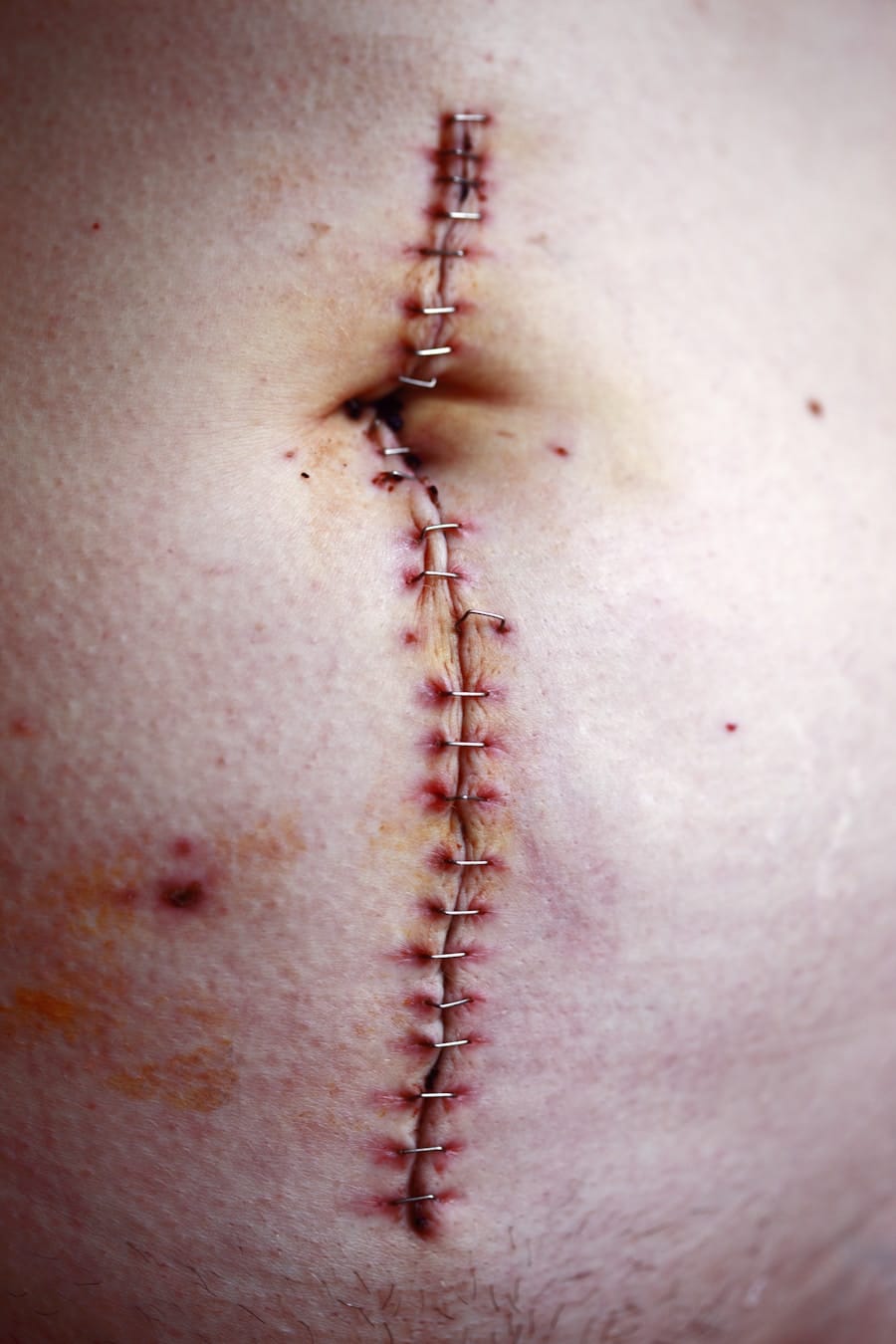
When it comes to scar revision, several plastic surgery techniques can be employed to achieve optimal results. One common method is surgical excision, where the scar tissue is surgically removed, and the skin is stitched back together. This technique is particularly effective for hypertrophic and keloid scars, as it allows for a fresh start with new skin healing over the area.
The surgeon will carefully plan the incision to minimize further scarring and ensure a more aesthetically pleasing outcome. Another popular technique is dermabrasion, which involves using a specialized tool to sand down the top layers of skin. This method is particularly effective for atrophic scars, as it helps to smooth out uneven skin texture and promote new skin growth.
Chemical peels are also used to treat scars by applying a solution that exfoliates the outer layer of skin, revealing smoother skin underneath. Each technique has its advantages and is chosen based on the type of scar and individual patient needs.
Recovery and Aftercare for Scar Revision Surgery
Recovery from scar revision surgery varies depending on the technique used and your body’s healing response. Generally, you can expect some swelling, redness, and discomfort in the treated area for several days following the procedure. Your surgeon will provide specific aftercare instructions to help manage these symptoms and promote healing.
It’s essential to follow these guidelines closely to ensure optimal results. During your recovery period, you may need to avoid strenuous activities and sun exposure to protect the healing skin. Keeping the area clean and moisturized is crucial in preventing infection and promoting proper healing.
Your surgeon may recommend specific ointments or dressings to aid in recovery. Regular follow-up appointments will also be necessary to monitor your progress and address any concerns that may arise during your healing journey.
Risks and Complications of Scar Revision Surgery
As with any surgical procedure, scar revision surgery carries certain risks and potential complications that you should be aware of before proceeding. Common risks include infection, excessive bleeding, and adverse reactions to anesthesia. While these complications are relatively rare, they can occur, so it’s essential to discuss them with your surgeon during your consultation.
Additionally, there is a possibility that the revised scar may not heal as expected or that new scars may form during the healing process. Some patients may experience changes in skin pigmentation or texture in the treated area. Understanding these risks will help you weigh the benefits against potential downsides when considering scar revision surgery.
Cost and Insurance Coverage for Scar Revision Surgery

The cost of scar revision surgery can vary widely based on several factors, including the type of procedure performed, the surgeon’s experience, and your geographical location. On average, you might expect to pay anywhere from a few hundred to several thousand dollars for scar revision surgery. It’s essential to have a clear understanding of the costs involved before committing to any procedure.
Insurance coverage for scar revision surgery can also be complex. Many insurance plans consider scar revision cosmetic unless there is a functional impairment or significant psychological distress associated with the scar. If you believe your situation warrants coverage, it’s advisable to consult with your insurance provider beforehand to understand your options fully.
Finding a Qualified Plastic Surgeon for Scar Revision
Choosing a qualified plastic surgeon is one of the most critical steps in ensuring a successful scar revision outcome. You should look for a board-certified plastic surgeon with extensive experience in performing scar revision procedures. Researching their credentials, reading patient reviews, and reviewing before-and-after photos can provide valuable insights into their expertise.
During your initial consultation, don’t hesitate to ask questions about their approach to scar revision, expected outcomes, and any concerns you may have regarding risks or recovery. A good surgeon will take the time to address your questions thoroughly and help you feel comfortable with your decision.
Alternatives to Plastic Surgery for Scar Revision and Removal
If you’re hesitant about undergoing surgical procedures for scar revision, there are several non-surgical alternatives worth considering. Laser therapy is one popular option that uses focused light energy to target scar tissue, promoting collagen production and improving skin texture over time. This method can be effective for various types of scars with minimal downtime.
Another alternative is microneedling, which involves using tiny needles to create micro-injuries in the skin, stimulating the body’s natural healing response. This technique can help improve atrophic scars by promoting new collagen formation without significant recovery time. Additionally, topical treatments such as silicone gel sheets or creams may help flatten raised scars over time.
In conclusion, understanding scar revision and removal is essential if you’re considering improving the appearance of your scars. By exploring various types of scars, surgical techniques, recovery processes, risks involved, costs associated with treatment, and alternatives available, you can make informed decisions that align with your goals for healthier-looking skin. Remember that consulting with a qualified plastic surgeon will provide personalized guidance tailored to your unique situation, helping you achieve the best possible results on your journey toward scar-free confidence.
If you are considering plastic surgery for scar revision and removal, you may also be interested in reading about the latest advancements in cosmetic procedures. One related article you may find informative is about plastic cosmetic surgery near the Medical Center in Houston, Texas. This article discusses the various options available for scar revision and removal in the Houston area, highlighting the expertise of plastic surgeons in the region. To learn more about plastic cosmetic surgery near the Medical Center in Houston, Texas, you can visit here.
FAQs
What is scar revision and removal?
Scar revision and removal are procedures used to minimize the appearance of scars on the skin. These procedures can be performed through various techniques, including surgical excision, laser therapy, and dermabrasion.
Who is a good candidate for scar revision and removal?
Good candidates for scar revision and removal are individuals who have prominent or bothersome scars that affect their appearance or self-confidence. It is important for candidates to have realistic expectations about the outcome of the procedure.
What are the different techniques used for scar revision and removal?
The different techniques used for scar revision and removal include surgical excision, laser therapy, dermabrasion, and steroid injections. The choice of technique depends on the type and severity of the scar.
What are the risks and potential complications of scar revision and removal?
Risks and potential complications of scar revision and removal may include infection, bleeding, scarring, changes in skin sensation, and dissatisfaction with the cosmetic outcome. It is important to discuss these risks with a qualified plastic surgeon before undergoing the procedure.
What is the recovery process like after scar revision and removal?
The recovery process after scar revision and removal varies depending on the technique used. In general, patients can expect some swelling, bruising, and discomfort in the treated area. It is important to follow post-operative care instructions provided by the surgeon to promote proper healing.
How long do the results of scar revision and removal last?
The results of scar revision and removal can be long-lasting, but it is important to note that scars may never completely disappear. The appearance of the scar may continue to improve over time as the skin heals and matures.