

Reconstructive scar surgery is a specialized procedure aimed at improving the appearance and function of scars resulting from injuries, surgeries, or skin conditions. You may find yourself considering this option if you have scars that affect your self-esteem or limit your mobility. The primary goal of reconstructive scar surgery is to restore the skin’s natural appearance and texture, allowing you to feel more comfortable in your own skin.
This type of surgery can involve various techniques, including skin grafts, flap surgery, and laser treatments, each tailored to your specific needs and the characteristics of your scar. The process begins with a thorough evaluation by a qualified plastic surgeon who will assess the scar’s size, location, and type. They will also consider your overall health and any underlying conditions that may affect the healing process.
Understanding the intricacies of reconstructive scar surgery can empower you to make informed decisions about your treatment options. It’s essential to have realistic expectations about the outcomes, as while significant improvements can often be achieved, complete scar removal is not always possible.
Key Takeaways
- Reconstructive scar surgery aims to improve the appearance and function of scars caused by injury, surgery, or burns.
- Candidates for reconstructive scar surgery are individuals with scars that affect their physical or emotional well-being.
- Preparing for reconstructive scar surgery involves discussing expectations, medical history, and potential risks with a qualified surgeon.
- The reconstructive scar surgery procedure may involve techniques such as skin grafting, tissue expansion, or scar revision.
- Recovery and aftercare for reconstructive scar surgery may include wound care, pain management, and follow-up appointments with the surgeon.
Who is a Candidate for Reconstructive Scar Surgery
You might be a candidate for reconstructive scar surgery if you have scars that are not only unsightly but also cause functional limitations or discomfort. For instance, scars that restrict movement or cause pain can significantly impact your quality of life. Additionally, if you have experienced trauma or surgery that has left you with noticeable scars, you may find that reconstructive surgery can help restore both your appearance and confidence.
Candidates often include individuals with hypertrophic scars, keloids, or scars resulting from burns or accidents. Moreover, age and overall health play crucial roles in determining candidacy for this procedure. Younger patients may heal more quickly and effectively than older individuals, but age alone is not a disqualifying factor.
Your surgeon will evaluate your medical history, lifestyle, and expectations to ensure that reconstructive scar surgery is appropriate for you. If you are a smoker or have certain medical conditions, your surgeon may recommend lifestyle changes or additional treatments to optimize your surgical outcome.
Preparing for Reconstructive Scar Surgery
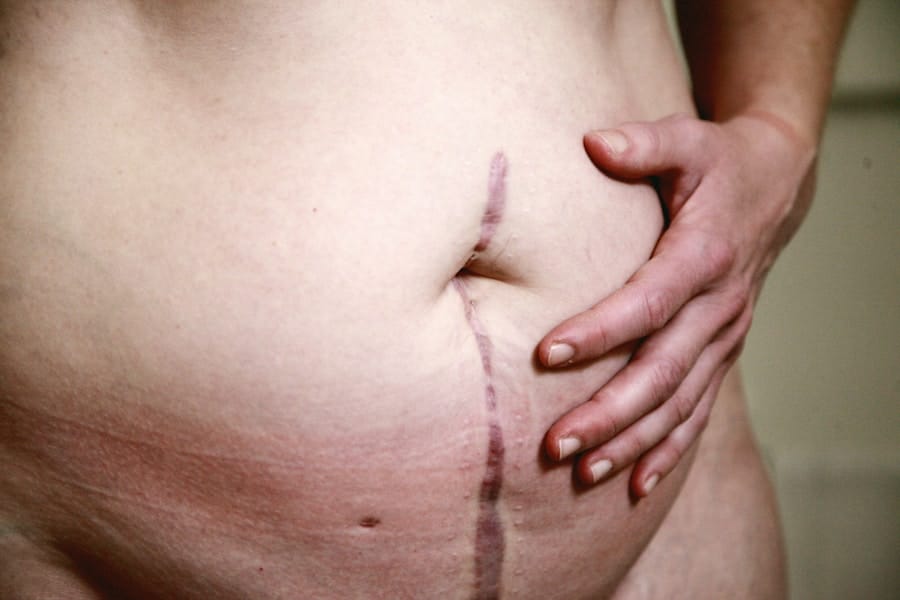
Preparation for reconstructive scar surgery involves several steps to ensure that you are physically and mentally ready for the procedure. Initially, you will have a consultation with your surgeon, during which they will discuss your medical history, perform a physical examination, and outline the surgical plan tailored to your specific needs. This is an excellent opportunity for you to ask questions and express any concerns you may have about the surgery and recovery process.
In the weeks leading up to the surgery, you may be advised to avoid certain medications and supplements that can increase bleeding risks, such as aspirin and non-steroidal anti-inflammatory drugs (NSAIDs). Additionally, if you smoke, quitting well in advance of the surgery can significantly improve your healing process. Your surgeon may also recommend specific skincare routines or treatments to prepare the scar tissue for surgery.
Mental preparation is equally important; understanding what to expect during the procedure and recovery can help alleviate anxiety and set realistic expectations for your results.
The Reconstructive Scar Surgery Procedure
On the day of your reconstructive scar surgery, you will arrive at the surgical facility where the procedure will take place. Depending on the complexity of your case, the surgery may be performed under local anesthesia with sedation or general anesthesia. Your surgeon will begin by marking the area around the scar to ensure precision during the operation.
The specific technique used will depend on the type of scar and its location; for example, flap surgery involves moving healthy skin from nearby areas to cover the scarred tissue. During the procedure, your surgeon will carefully excise the scar tissue and may use sutures to close the wound in a way that minimizes future scarring. In some cases, additional techniques such as dermabrasion or laser therapy may be employed to enhance the final results.
The duration of the surgery can vary widely based on its complexity but typically lasts between one to three hours. Once completed, you will be monitored in a recovery area before being discharged home with specific aftercare instructions.
Recovery and Aftercare for Reconstructive Scar Surgery
Recovery from reconstructive scar surgery is a critical phase that requires careful attention to aftercare instructions provided by your surgeon. Initially, you may experience swelling, bruising, and discomfort in the treated area; these symptoms are normal and can usually be managed with prescribed pain medications. It’s essential to follow your surgeon’s guidelines regarding activity restrictions during this period.
You may be advised to avoid strenuous activities and heavy lifting for several weeks to allow proper healing. As part of your aftercare routine, keeping the surgical site clean and protected is vital to prevent infection. Your surgeon will provide specific instructions on how to care for your incision site, including when to change dressings and how to clean the area gently.
Regular follow-up appointments will be scheduled to monitor your healing progress and address any concerns that may arise. Patience is key during this time; while initial healing may occur within a few weeks, complete recovery can take several months as the final results gradually become apparent.
Risks and Complications of Reconstructive Scar Surgery

Like any surgical procedure, reconstructive scar surgery carries certain risks and potential complications that you should be aware of before proceeding. Common risks include infection at the surgical site, excessive bleeding, and adverse reactions to anesthesia. While these complications are relatively rare, they can occur and may require additional treatment if they arise.
It’s crucial to discuss these risks with your surgeon during your consultation so that you can make an informed decision about proceeding with the surgery. Another consideration is the possibility of unsatisfactory results or new scarring after the procedure. While reconstructive techniques aim to improve the appearance of scars significantly, there is no guarantee of perfection.
Some patients may experience changes in pigmentation or texture in the treated area as well. Your surgeon will provide guidance on what to expect regarding potential outcomes and how best to manage any concerns that may arise post-surgery.
Expected Results and Long-Term Outcomes of Reconstructive Scar Surgery
After undergoing reconstructive scar surgery, you can generally expect a significant improvement in both the appearance and function of your scarred area. Many patients report increased confidence and satisfaction with their appearance following successful surgery. However, it’s important to understand that results can vary based on individual factors such as skin type, healing ability, and adherence to aftercare instructions.
Over time, as swelling subsides and healing progresses, you will likely notice further improvements in the appearance of your scars. Long-term outcomes can also depend on how well you care for your skin post-surgery. Following sun protection guidelines and maintaining a healthy skincare routine can help preserve your results over time.
While some patients may require additional treatments or touch-ups in the future to maintain their desired appearance, many find that reconstructive scar surgery provides lasting benefits that enhance their quality of life.
Alternatives to Reconstructive Scar Surgery
If reconstructive scar surgery does not seem like the right option for you at this time, there are several alternatives worth considering. Non-surgical treatments such as silicone gel sheets or silicone ointments can help flatten raised scars over time and improve their appearance without invasive procedures. Additionally, corticosteroid injections may be recommended for hypertrophic scars or keloids to reduce inflammation and promote healing.
Other options include laser therapy, which can effectively reduce redness and improve skin texture by stimulating collagen production in the treated area. Chemical peels and microdermabrasion are also popular non-invasive treatments that can enhance skin texture and tone over time. Consulting with a dermatologist or plastic surgeon can help you explore these alternatives further and determine which options align best with your goals and expectations regarding scar treatment.
In conclusion, understanding reconstructive scar surgery is essential for anyone considering this procedure as a means of improving their quality of life. By evaluating candidacy criteria, preparing adequately for surgery, and being aware of potential risks and outcomes, you can make informed decisions about your treatment options. Whether through surgical intervention or alternative therapies, there are pathways available to help you achieve greater confidence in your appearance and overall well-being.
If you are considering reconstructive scar surgery, you may also be interested in learning about the latest trends in non-invasive cosmetic procedures. The article Trends in Non-Invasive Cosmetic Procedures: The Rise of Injectables discusses the growing popularity of injectable treatments for enhancing one’s appearance without the need for surgery. This article provides valuable insights into the options available for those looking to improve their aesthetic without undergoing invasive procedures.
FAQs
What is reconstructive scar surgery?
Reconstructive scar surgery is a procedure that aims to improve the appearance of scars caused by injury, surgery, or other trauma. It involves techniques to minimize the visibility of scars and restore function to the affected area.
Who is a candidate for reconstructive scar surgery?
Candidates for reconstructive scar surgery include individuals with scars that are causing functional impairment, emotional distress, or aesthetic concerns. It is important to consult with a qualified plastic surgeon to determine if this procedure is suitable for your specific case.
What are the different techniques used in reconstructive scar surgery?
Reconstructive scar surgery may involve techniques such as scar revision, tissue expansion, skin grafting, or flap surgery. The specific technique used will depend on the location, size, and type of scar being treated.
What is the recovery process like after reconstructive scar surgery?
The recovery process after reconstructive scar surgery varies depending on the specific procedure performed. Patients may experience some discomfort, swelling, and bruising, and will need to follow post-operative care instructions provided by their surgeon.
What are the potential risks and complications of reconstructive scar surgery?
As with any surgical procedure, there are potential risks and complications associated with reconstructive scar surgery. These may include infection, bleeding, poor wound healing, and unsatisfactory aesthetic results. It is important to discuss these risks with your surgeon before undergoing the procedure.
How long do the results of reconstructive scar surgery last?
The results of reconstructive scar surgery can be long-lasting, but the final outcome may not be fully apparent until the healing process is complete. It is important to follow your surgeon’s post-operative care instructions to optimize the results and minimize the risk of scar recurrence.