

Reproductive organ reconstruction is a specialized surgical procedure aimed at restoring the functionality and appearance of reproductive organs. This type of surgery can be crucial for individuals who have experienced trauma, congenital anomalies, or medical conditions that have compromised their reproductive health. The procedures can vary widely, from reconstructing the vagina or penis to more complex surgeries involving the uterus or ovaries.
Understanding the nuances of these surgeries is essential for anyone considering them, as they can significantly impact one’s quality of life and emotional well-being. The field of reproductive organ reconstruction has evolved significantly over the years, incorporating advanced techniques and technologies that enhance surgical outcomes. Surgeons often employ a multidisciplinary approach, collaborating with urologists, gynecologists, and plastic surgeons to ensure comprehensive care.
This collaboration allows for tailored treatment plans that address the unique needs of each patient. As you delve deeper into this subject, you will discover that the motivations for seeking such procedures are as diverse as the individuals themselves, ranging from physical discomfort to psychological distress.
Key Takeaways
- Reproductive organ reconstruction involves the surgical or non-surgical restoration of the reproductive organs.
- Reproductive organ reconstruction is important for individuals who have experienced trauma, congenital abnormalities, or gender dysphoria.
- Both men and women can benefit from reproductive organ reconstruction, depending on their specific needs and circumstances.
- The procedure of reproductive organ reconstruction may involve various techniques such as tissue grafting, microsurgery, and prosthetic implants.
- Risks and complications of reproductive organ reconstruction may include infection, bleeding, and potential failure of the reconstructed organ.
The Importance of Reproductive Organ Reconstruction
Restoring Function and Improving Quality of Life
When these elements are compromised, it can lead to significant emotional and psychological distress. Reconstructive surgery offers a pathway to reclaiming these essential aspects of life.
Addressing Gender Dysphoria
Moreover, reproductive organ reconstruction plays a critical role in addressing gender dysphoria for transgender individuals. For those undergoing gender-affirming surgeries, reconstructive procedures can help align their physical bodies with their gender identity, fostering a sense of wholeness and acceptance.
Emotional and Psychological Resilience
This alignment is crucial for mental health and well-being, as it can alleviate feelings of anxiety and depression often associated with gender dysphoria. By understanding the importance of these surgeries, you can appreciate how they contribute not only to physical health but also to emotional and psychological resilience.
Who Can Benefit from Reproductive Organ Reconstruction
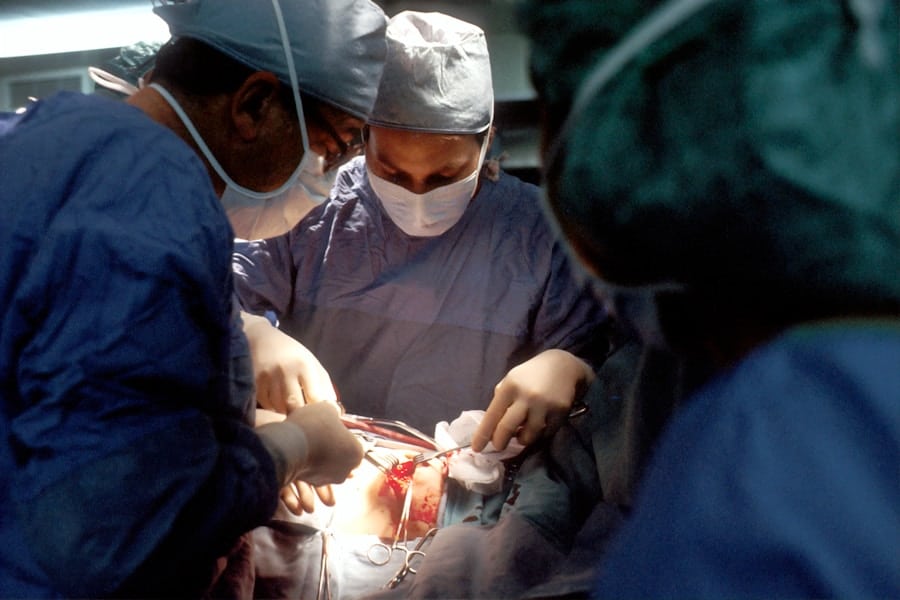
A wide range of individuals can benefit from reproductive organ reconstruction. Those who have suffered injuries due to accidents or violence may find themselves in need of reconstructive surgery to restore their reproductive capabilities. Additionally, individuals born with congenital anomalies affecting their reproductive organs may seek these procedures to improve their quality of life and enhance their self-esteem.
It is essential to recognize that the need for reconstruction is not limited to any specific demographic; people from all walks of life may find themselves in situations where such surgeries become necessary. Transgender individuals represent another significant group that can benefit from reproductive organ reconstruction. For many, transitioning involves not only hormonal therapy but also surgical interventions that align their physical bodies with their gender identity.
These surgeries can be transformative, allowing individuals to live authentically and comfortably in their own skin. Understanding who can benefit from these procedures highlights the diverse needs within society and underscores the importance of accessible healthcare options for all individuals seeking to improve their reproductive health.
The Procedure of Reproductive Organ Reconstruction
The procedure for reproductive organ reconstruction varies depending on the specific needs of the patient and the type of surgery being performed. Generally, these surgeries are conducted under general anesthesia, ensuring that you remain comfortable throughout the process. The surgeon will begin by making incisions in strategic locations to minimize scarring while providing access to the affected areas.
Depending on the complexity of the case, the procedure may involve tissue grafting, repositioning existing structures, or even creating new organs using advanced techniques such as 3D printing. Post-surgery, you will likely spend some time in recovery before being discharged. The length of the procedure and recovery time can vary significantly based on individual circumstances and the extent of the surgery performed.
It is crucial to have realistic expectations regarding recovery and to follow your surgeon’s post-operative care instructions diligently. Understanding the intricacies of the procedure can help alleviate any anxiety you may have about undergoing surgery and empower you to make informed decisions about your health.
Risks and Complications of Reproductive Organ Reconstruction
Like any surgical procedure, reproductive organ reconstruction carries inherent risks and potential complications. While many patients experience successful outcomes, it is essential to be aware of possible issues that may arise during or after surgery. Common risks include infection, excessive bleeding, and adverse reactions to anesthesia.
Additionally, there may be complications specific to reproductive organ surgeries, such as scarring or changes in sensation that could affect sexual function. It is vital to have an open dialogue with your healthcare provider about these risks before undergoing surgery. They can provide you with detailed information about what to expect and how to mitigate potential complications.
By understanding these risks, you can make a more informed decision about whether reproductive organ reconstruction is right for you and prepare yourself mentally for the journey ahead.
Recovery and Aftercare for Reproductive Organ Reconstruction

Recovery after reproductive organ reconstruction is a critical phase that requires careful attention and adherence to aftercare instructions provided by your surgeon. Initially, you may experience discomfort, swelling, or bruising in the surgical area; these symptoms are typically manageable with prescribed pain medications. It is essential to allow your body time to heal properly, which may involve taking time off work or avoiding strenuous activities for several weeks.
During your recovery period, follow-up appointments with your surgeon will be necessary to monitor your healing progress. These visits are crucial for addressing any concerns that may arise and ensuring that you are on track for a successful recovery. Engaging in gentle activities like walking can promote circulation and aid in healing; however, it is vital to avoid any activities that could strain your body or disrupt the surgical site.
By prioritizing your recovery and following your surgeon’s guidance, you can enhance your chances of achieving optimal results from your surgery.
Alternatives to Reproductive Organ Reconstruction
While reproductive organ reconstruction can be life-changing for many individuals, it is not the only option available for those facing challenges related to their reproductive health. Non-surgical alternatives may include hormone therapy, counseling, or lifestyle changes aimed at improving overall well-being. For some individuals, exploring these options may provide relief without the need for invasive procedures.
Additionally, advancements in technology have led to innovative treatments such as regenerative medicine and tissue engineering that may offer alternatives to traditional reconstructive surgery in the future. These approaches focus on harnessing the body’s natural healing processes or using bioengineered tissues to restore function without extensive surgical intervention. As you consider your options, it is essential to consult with healthcare professionals who can guide you through the various possibilities tailored to your unique situation.
The Future of Reproductive Organ Reconstruction
The future of reproductive organ reconstruction holds great promise as medical technology continues to advance at an unprecedented pace. Researchers are exploring innovative techniques such as stem cell therapy and bioengineering that could revolutionize how we approach reconstructive surgeries. These advancements may lead to less invasive procedures with quicker recovery times and improved outcomes for patients.
Moreover, increased awareness and advocacy surrounding reproductive health issues are likely to drive further research and development in this field. As societal attitudes evolve and more individuals seek out these services, healthcare providers will be better equipped to meet diverse needs through tailored treatment options. By staying informed about emerging trends and advancements in reproductive organ reconstruction, you can empower yourself with knowledge that may one day enhance your own health journey or that of someone you care about.
In conclusion, understanding reproductive organ reconstruction is essential for anyone considering this life-altering option. From recognizing its importance and potential benefits to navigating the complexities of procedures and recovery, being informed empowers you to make decisions that align with your health goals and personal circumstances. As medical advancements continue to unfold, the future looks bright for those seeking restoration and healing in their reproductive health journey.
If you are interested in learning more about plastic cosmetic surgery options in the Fishtown, Pennsylvania area, you may want to check out this article on plastic cosmetic surgery near Fishtown. Additionally, if you are located in Northeast Philadelphia, Pennsylvania, you can explore this resource for plastic cosmetic surgery options in your area. For those interested in facial harmony and balancing features through surgery, you may find this article to be informative.
FAQs
What is a reproductive organ reconstruction procedure?
A reproductive organ reconstruction procedure is a surgical intervention aimed at reconstructing or repairing the reproductive organs, such as the vagina, uterus, or penis, to improve their function or appearance.
Who may benefit from a reproductive organ reconstruction procedure?
Individuals who have experienced trauma, congenital abnormalities, cancer, or other medical conditions affecting their reproductive organs may benefit from a reproductive organ reconstruction procedure.
What are the common reasons for undergoing a reproductive organ reconstruction procedure?
Common reasons for undergoing a reproductive organ reconstruction procedure include gender affirmation surgery, treatment of vaginal agenesis, correction of vaginal or uterine abnormalities, and penile reconstruction.
What are the potential risks and complications associated with reproductive organ reconstruction procedures?
Potential risks and complications of reproductive organ reconstruction procedures may include infection, bleeding, scarring, changes in sensation, and potential impact on fertility or sexual function.
What is the recovery process like after a reproductive organ reconstruction procedure?
The recovery process after a reproductive organ reconstruction procedure varies depending on the specific procedure performed, but generally involves a period of rest, limited physical activity, and follow-up appointments with the surgical team.
Are there non-surgical alternatives to reproductive organ reconstruction procedures?
In some cases, non-surgical alternatives such as hormone therapy or the use of prosthetic devices may be considered as alternatives to surgical reproductive organ reconstruction procedures. It is important to consult with a healthcare provider to determine the most appropriate treatment option.