

When you think about the importance of breathing, it’s easy to overlook the role that your nasal structure plays in this fundamental process. Septoplasty is a surgical procedure designed to correct a deviated septum, which can significantly impact your quality of life. If you’ve been struggling with nasal congestion, frequent sinus infections, or difficulty breathing through your nose, you may have considered this surgery as a viable option.
Understanding what septoplasty entails can empower you to make informed decisions about your health and well-being. This article aims to provide you with a comprehensive overview of septoplasty, from the basics of a deviated septum to the recovery process after surgery. By the end, you will have a clearer understanding of what to expect and how this procedure can potentially enhance your breathing and overall quality of life.
Whether you are contemplating the surgery or simply seeking knowledge, this guide will serve as a valuable resource.
Key Takeaways
- Septoplasty is a surgical procedure to correct a deviated septum, which can cause breathing difficulties and other issues.
- A deviated septum occurs when the thin wall between your nasal passages is displaced, leading to symptoms like nasal congestion, frequent nosebleeds, and facial pain.
- Before septoplasty surgery, patients should inform their doctor about any medications they are taking and follow pre-operative instructions such as fasting and avoiding certain medications.
- During the septoplasty procedure, the surgeon will make incisions inside the nose to access the septum and then straighten or remove the deviated portion.
- After septoplasty, patients can expect a few weeks of recovery time, during which they should avoid strenuous activities and follow post-operative care instructions to minimize the risk of complications.
Understanding Deviated Septum
A deviated septum occurs when the thin wall of bone and cartilage that separates your nasal passages is displaced to one side. This condition can lead to various issues, including chronic nasal obstruction, difficulty breathing, and an increased risk of sinus infections. If you find yourself frequently struggling to breathe through one nostril or experiencing discomfort in your nasal passages, it’s possible that you have a deviated septum.
The causes of a deviated septum can vary widely. Some individuals are born with this condition, while others may develop it due to injury or trauma to the nose. Regardless of the cause, the symptoms can be bothersome and may interfere with your daily activities.
Understanding the implications of a deviated septum is crucial, as it sets the stage for why septoplasty might be necessary for you.
Preparing for Septoplasty Surgery
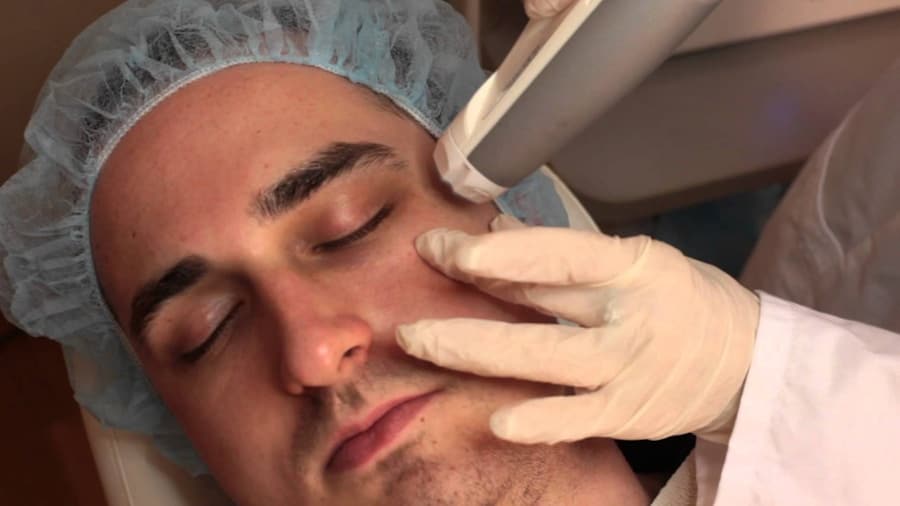
Preparation for septoplasty involves several steps that are essential for ensuring a successful outcome. First and foremost, you will need to consult with an ear, nose, and throat (ENT) specialist who will evaluate your condition and determine if surgery is appropriate for you. During this consultation, be prepared to discuss your medical history, any medications you are currently taking, and your specific symptoms.
This information will help your doctor tailor the procedure to meet your needs. Once you and your doctor decide to proceed with surgery, you will receive detailed instructions on how to prepare. This may include avoiding certain medications that can increase bleeding risk, such as aspirin or non-steroidal anti-inflammatory drugs (NSAIDs).
Additionally, you may be advised to refrain from smoking or consuming alcohol in the days leading up to the surgery, as these habits can hinder healing. Taking these preparatory steps seriously can significantly impact your recovery and overall experience.
The Septoplasty Procedure
On the day of your septoplasty, you will typically arrive at the surgical facility where the procedure will take place. Depending on the complexity of your case and your doctor’s recommendations, the surgery may be performed under local or general anesthesia. Once you are comfortable and ready, your surgeon will begin by making an incision inside your nostril to access the septum.
During the procedure, your surgeon will carefully reposition or remove any obstructive tissue in order to straighten the septum. This meticulous approach aims to restore proper airflow through your nasal passages. The entire process usually takes about one to two hours, depending on individual circumstances.
After the surgery is complete, you will be monitored for a short period before being discharged to recover at home.
Recovery and Aftercare
Recovery from septoplasty is an important phase that requires attention and care. In the initial days following surgery, it’s common to experience some swelling and discomfort in your nasal area. Your doctor will likely prescribe pain medication to help manage any pain you may feel during this time.
It’s essential to follow their instructions regarding medication and any other aftercare guidelines. You should also expect some nasal congestion as your body begins to heal. It’s advisable to keep your head elevated while resting and avoid strenuous activities for at least a week post-surgery.
Additionally, using saline nasal sprays can help keep your nasal passages moist and promote healing. Remember that patience is key during this recovery period; while it may take time for your breathing to improve fully, many patients report significant benefits in the weeks following their surgery.
Potential Risks and Complications

As with any surgical procedure, septoplasty carries certain risks and potential complications that you should be aware of before proceeding. While most patients experience positive outcomes, some may encounter issues such as excessive bleeding, infection, or adverse reactions to anesthesia. It’s crucial to discuss these risks with your surgeon during your pre-operative consultation so that you can make an informed decision.
In rare cases, patients may experience persistent symptoms even after surgery or require additional procedures for optimal results. Understanding these possibilities can help set realistic expectations for your recovery journey. Your surgeon will provide guidance on how to minimize risks and what signs to watch for during your recovery period.
Alternatives to Septoplasty
If you’re hesitant about undergoing septoplasty or if it’s determined that surgery isn’t the best option for you, there are alternative treatments available for managing symptoms associated with a deviated septum. For instance, nasal corticosteroids can help reduce inflammation in the nasal passages and improve airflow. Over-the-counter decongestants may also provide temporary relief from congestion.
In some cases, lifestyle changes can make a significant difference in managing symptoms. For example, avoiding allergens or irritants that trigger nasal congestion can help improve your overall comfort. Additionally, practicing good nasal hygiene through saline rinses can keep your nasal passages clear without resorting to surgical intervention.
Exploring these alternatives with your healthcare provider can help you find a solution that works best for you.
Conclusion and Long-Term Results
In conclusion, septoplasty is a valuable surgical option for individuals suffering from a deviated septum that affects their quality of life. By understanding the procedure, preparing adequately, and following post-operative care instructions, you can maximize your chances of achieving long-term results that enhance your breathing and overall well-being. Many patients report significant improvements in their ability to breathe freely after surgery, leading to better sleep quality and reduced sinus issues.
As you consider whether septoplasty is right for you, remember that open communication with your healthcare provider is essential. They can guide you through every step of the process and help address any concerns you may have along the way. Ultimately, taking control of your health by exploring options like septoplasty can lead to a more comfortable and fulfilling life.
If you are considering a septoplasty procedure, you may also be interested in learning about the benefits of rhinoplasty. Rhinoplasty, commonly known as a nose job, can be performed in conjunction with a septoplasty to improve the appearance of the nose while also correcting any breathing issues. To find out more about rhinoplasty procedures in Memorial Houston, Texas, visit here.
FAQs
What is a septoplasty procedure?
A septoplasty is a surgical procedure to correct a deviated septum, which is the cartilage and bone that divides the nasal cavity into two nostrils.
Why is a septoplasty performed?
A septoplasty is performed to improve breathing by straightening the septum and reducing nasal obstruction. It may also be done to treat chronic sinusitis or to prepare for other nasal surgeries.
How is a septoplasty procedure performed?
During a septoplasty, the surgeon makes an incision inside the nose and lifts the mucous membrane covering the septum. They then straighten and reposition the septum and may remove or reposition any obstructing tissues. The mucous membrane is then repositioned and the incision is closed.
What is the recovery process like after a septoplasty?
Recovery from a septoplasty typically involves mild discomfort, swelling, and nasal congestion for a few days. Patients are advised to avoid strenuous activities and to follow post-operative care instructions provided by their surgeon.
What are the potential risks and complications of a septoplasty?
Potential risks and complications of a septoplasty may include bleeding, infection, nasal septal perforation, and a recurrence of nasal obstruction. It is important for patients to discuss these risks with their surgeon before undergoing the procedure.