
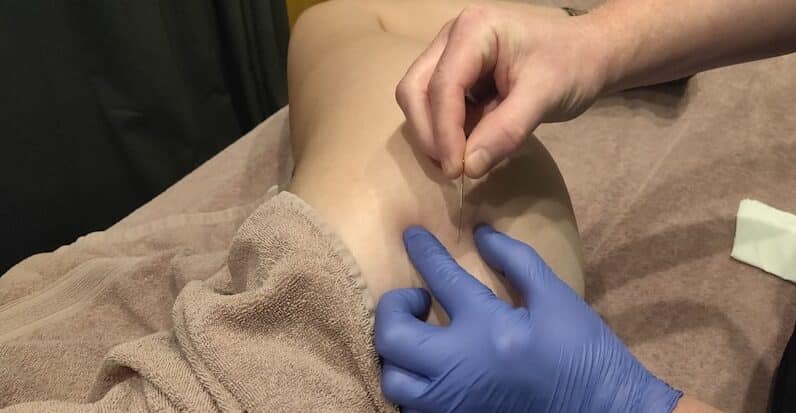
Spider veins, often referred to as telangiectasias, are small, dilated blood vessels that appear close to the surface of the skin. They can take on a variety of colors, including red, blue, or purple, and typically resemble a spider’s web or tree branches. These veins are most commonly found on the legs and face, and while they are generally harmless, they can be a source of cosmetic concern for many individuals.
You may notice that these veins become more prominent with age, hormonal changes, or prolonged periods of standing or sitting. The development of spider veins can be attributed to several factors, including genetics, hormonal fluctuations, and lifestyle choices. If you have a family history of varicose veins or spider veins, you may be more predisposed to developing them yourself.
Additionally, pregnancy and menopause can lead to hormonal changes that exacerbate the appearance of these veins. Prolonged sun exposure can also contribute to their formation, particularly on the face. Understanding the underlying causes of spider veins can help you take proactive steps to manage or prevent their appearance.
Key Takeaways
- Spider veins are small, damaged veins that can appear on the surface of the legs or face.
- Sclerotherapy is a minimally invasive procedure that involves injecting a solution directly into the affected veins to make them collapse and eventually fade away.
- Before the sclerotherapy procedure, patients may be advised to avoid certain medications and to wear loose clothing.
- During the sclerotherapy procedure, a fine needle is used to inject the solution into the targeted veins, causing them to close and eventually be reabsorbed by the body.
- After the procedure, patients may be advised to wear compression stockings and avoid strenuous activities for a few days to aid in the healing process.
What is Sclerotherapy?
Benefits of Sclerotherapy
You may find this procedure appealing if you are looking for a quick and effective way to improve the appearance of your skin without undergoing more invasive surgical options. The procedure has gained popularity due to its effectiveness and relatively low risk of complications. Many patients report significant improvements in the appearance of their veins after just one session, although multiple treatments may be necessary for optimal results.
Procedure Details
Sclerotherapy is typically performed in an outpatient setting, allowing you to return home shortly after the procedure.
Empowering Your Treatment Decisions
Understanding how sclerotherapy works can empower you to make informed decisions about your treatment options.
Preparation for Sclerotherapy Procedure

Before undergoing sclerotherapy, it is essential to prepare adequately to ensure the best possible outcome. Your initial consultation with a qualified healthcare provider will involve a thorough evaluation of your medical history and an examination of your veins. During this appointment, you should discuss any medications you are currently taking, as some may need to be paused prior to the procedure.
For instance, blood thinners or anti-inflammatory medications may increase the risk of bruising and bleeding. In addition to medication considerations, you should also prepare for the day of your procedure by wearing comfortable clothing that allows easy access to the treatment area. It is advisable to avoid wearing tight-fitting garments that could restrict blood flow.
Staying well-hydrated before your appointment can also be beneficial, as it helps maintain good circulation. By taking these preparatory steps, you can set yourself up for a smoother experience during the sclerotherapy procedure.
The Sclerotherapy Procedure
On the day of your sclerotherapy appointment, you will typically be taken to a treatment room where the procedure will take place. The healthcare provider will begin by cleaning the area around the spider veins with an antiseptic solution to minimize the risk of infection. You may feel a slight pinch as the sclerosing agent is injected into the affected veins; however, many patients report that any discomfort is minimal and short-lived.
Once the injections are complete, your provider may apply compression bandages or stockings to help support the treated area and promote healing. This compression helps prevent blood from flowing back into the treated veins and encourages them to collapse effectively. The entire procedure usually takes less than an hour, making it a convenient option for those with busy schedules.
Understanding what to expect during the procedure can help alleviate any anxiety you may have about the process.
Recovery and Aftercare
After your sclerotherapy treatment, you will be given specific aftercare instructions to ensure optimal healing and results. It is common for patients to experience some mild swelling or bruising in the treated areas, but these side effects typically resolve within a few days to weeks. You may be advised to avoid strenuous activities or heavy exercise for a short period following the procedure to allow your body time to heal properly.
Wearing compression stockings as recommended by your healthcare provider is crucial for recovery. These stockings help maintain pressure on the treated veins and promote better circulation in the area. You should also be mindful of your body position; elevating your legs when resting can further aid in reducing swelling and discomfort.
By following these aftercare guidelines diligently, you can enhance your recovery experience and achieve better results from your sclerotherapy treatment.
Risks and Side Effects

Common Side Effects
Temporary bruising, swelling, and redness at the injection sites are common side effects of sclerotherapy. These symptoms usually resolve on their own within a few days, but it’s essential to be prepared for them to minimize any concerns.
Rare but Serious Complications
In rare cases, more serious complications such as allergic reactions or blood clots may occur. To minimize these risks, it’s crucial to choose a qualified healthcare provider with experience in performing sclerotherapy. They will assess your individual risk factors and provide guidance on how to proceed safely.
Post-Treatment Care
If you notice any unusual symptoms following your treatment, such as severe pain, persistent swelling, or changes in skin color, be sure to contact your provider immediately for further evaluation. Being informed about potential risks can help you make educated decisions regarding your treatment.
Results and Expectations
One of the most exciting aspects of sclerotherapy is witnessing the results as your spider veins gradually fade away. Many patients begin to see improvements within a few weeks following their treatment, with optimal results typically visible after several months. The exact timeline for results can vary based on individual factors such as skin type, vein size, and overall health.
It is important to have realistic expectations regarding what sclerotherapy can achieve. While many patients experience significant improvement in their vein appearance, complete elimination of all spider veins may not be possible in every case. Some individuals may require multiple sessions for optimal results, especially if they have extensive vein issues.
By discussing your goals with your healthcare provider beforehand, you can develop a tailored treatment plan that aligns with your expectations.
Follow-up and Maintenance
After completing your initial sclerotherapy treatments, follow-up appointments will be essential for monitoring your progress and ensuring that your veins are healing properly. Your healthcare provider will assess the treated areas during these visits and determine if additional sessions are necessary for optimal results. Regular follow-ups also provide an opportunity for you to discuss any concerns or questions that may arise during your recovery.
In addition to follow-up appointments, maintaining healthy lifestyle habits can play a significant role in preventing new spider veins from forming in the future. Staying active through regular exercise, maintaining a healthy weight, and avoiding prolonged periods of sitting or standing can all contribute to better vein health. By incorporating these practices into your daily routine and attending follow-up appointments as recommended, you can enjoy long-lasting results from your sclerotherapy treatment while minimizing the risk of new spider veins developing over time.
If you are considering Spider Vein Treatment Sclerotherapy Procedure, you may also be interested in learning about the benefits of Botox injections for facial rejuvenation. Botox is a popular non-invasive cosmetic procedure that can help reduce the appearance of wrinkles and fine lines. To find a plastic cosmetic surgery near you in Memorial, Montrose, or Midtown Houston, Texas, visit here, here, or here.
FAQs
What is sclerotherapy?
Sclerotherapy is a medical procedure used to treat spider veins and varicose veins. It involves injecting a solution directly into the affected veins, causing them to collapse and eventually fade away.
How does sclerotherapy work?
During sclerotherapy, a special solution is injected into the affected veins, causing irritation and inflammation. This leads to the veins sticking together and eventually being reabsorbed by the body, fading from view.
What are the benefits of sclerotherapy?
Sclerotherapy is a minimally invasive procedure that can effectively reduce the appearance of spider veins and varicose veins. It is relatively quick, requires no anesthesia, and has a high success rate.
Who is a good candidate for sclerotherapy?
Good candidates for sclerotherapy are individuals with small to medium-sized spider veins or varicose veins who are in overall good health. It is important to consult with a healthcare professional to determine if sclerotherapy is the right treatment option.
What can I expect during the sclerotherapy procedure?
During the sclerotherapy procedure, the healthcare provider will inject the sclerosing solution into the affected veins using a fine needle. The number of injections will depend on the size and number of veins being treated.
What is the recovery process like after sclerotherapy?
After sclerotherapy, patients are usually able to resume their normal activities immediately. However, it is recommended to avoid strenuous exercise and prolonged periods of sitting or standing for a few days. Compression stockings may also be worn to aid in the healing process.
Are there any potential side effects or risks associated with sclerotherapy?
While sclerotherapy is generally considered safe, potential side effects may include temporary bruising, redness, or swelling at the injection site. In rare cases, patients may experience allergic reactions or skin discoloration. It is important to discuss any concerns with a healthcare provider before undergoing the procedure.