
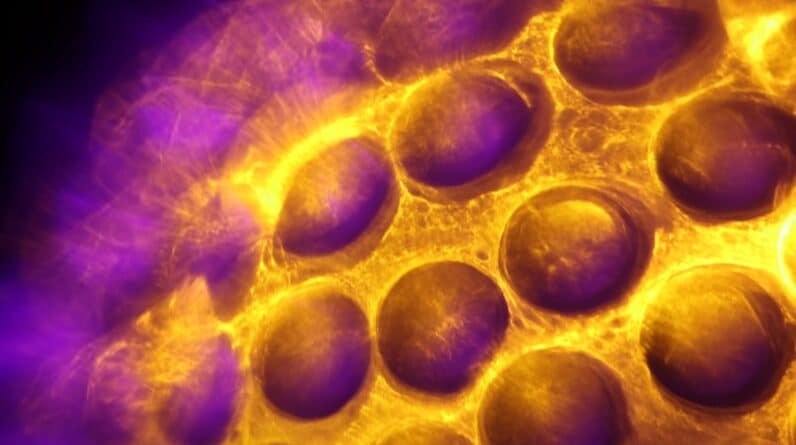
Stem cell skin regeneration is an innovative approach in the field of dermatology that harnesses the unique properties of stem cells to rejuvenate and repair skin. These remarkable cells have the ability to differentiate into various types of cells, which makes them invaluable in regenerative medicine. When applied to skin care, stem cells can promote healing, enhance skin texture, and reduce the appearance of aging.
This technique is gaining traction as a promising alternative to traditional cosmetic procedures, offering a more natural and effective way to achieve youthful skin. In essence, stem cell skin regeneration involves extracting stem cells from a donor source—often from the patient’s own body or from umbilical cord tissue—and then applying them to the skin. The goal is to stimulate the body’s natural healing processes, encouraging the growth of new skin cells and tissues.
This method not only addresses surface-level concerns like wrinkles and fine lines but also targets deeper layers of the skin, promoting overall health and vitality. As you explore this cutting-edge treatment, you may find it offers a holistic approach to skincare that aligns with your desire for natural beauty.
Key Takeaways
- Stem cell skin regeneration is a process that uses stem cells to repair and rejuvenate damaged skin.
- The science behind stem cell therapy for skin involves the use of stem cells to promote the growth of new skin cells and collagen.
- The procedure for stem cell skin regeneration works by extracting stem cells from the patient’s own body and applying them to the skin.
- Benefits of stem cell skin regeneration include improved skin texture, reduced wrinkles, and increased collagen production.
- Potential risks and side effects of stem cell skin regeneration may include infection, allergic reactions, and the possibility of the treatment not being effective for everyone.
The Science Behind Stem Cell Therapy for Skin
Repairing Damaged Tissues and Promoting Skin Elasticity
When introduced into the skin, stem cells can help repair damaged tissues, promote collagen production, and enhance overall skin elasticity. Research has shown that stem cells release growth factors and cytokines that play a crucial role in cellular communication and regeneration. These substances can stimulate surrounding cells to proliferate and migrate, effectively kickstarting the body’s natural healing processes.
Targeted Therapies for Specific Skin Concerns
By understanding the mechanisms of stem cell therapy, scientists and dermatologists are developing targeted therapies that can address specific skin concerns, from acne scars to age-related changes. This innovative approach has the potential to revolutionize the field of skincare.
The Intersection of Biology and Technology
As you explore the fascinating field of stem cell therapy for skin, you may appreciate how the intersection of biology and technology is paving the way for groundbreaking advancements in skincare.
The Procedure: How Stem Cell Skin Regeneration Works

The procedure for stem cell skin regeneration typically begins with a consultation where your medical history and skin concerns are assessed. Once you and your provider determine that this treatment is appropriate for you, the next step involves harvesting stem cells. This can be done through various methods, such as liposuction or blood draw, depending on the source of stem cells chosen.
If using adipose-derived stem cells, a small amount of fat is extracted from areas like the abdomen or thighs. Alternatively, if using blood-derived stem cells, a simple blood draw will suffice. After harvesting, the stem cells undergo processing to isolate and concentrate them.
This concentrated solution is then prepared for application to your skin. The application can be performed through various techniques, including microneedling or direct injection into targeted areas. Microneedling creates tiny channels in the skin, allowing for better absorption of the stem cell solution.
This step is crucial as it enhances the efficacy of the treatment by ensuring that the stem cells penetrate deeply into the dermis where they can exert their regenerative effects.
Benefits of Stem Cell Skin Regeneration
One of the most significant benefits of stem cell skin regeneration is its ability to promote natural healing without invasive surgical procedures. Unlike traditional facelifts or fillers that may require downtime and carry risks of complications, stem cell therapy offers a minimally invasive alternative with fewer side effects. Many patients report a quicker recovery time and less discomfort compared to more invasive cosmetic treatments.
Additionally, stem cell therapy can provide long-lasting results by addressing the underlying causes of skin aging rather than merely masking symptoms. By stimulating collagen production and enhancing cellular turnover, this treatment can lead to improved skin texture, tone, and elasticity over time. You may find that your skin appears more radiant and youthful as it undergoes a natural rejuvenation process.
Furthermore, because stem cells can adapt to various skin types and conditions, this therapy can be tailored to meet your specific needs, making it a versatile option for many individuals seeking effective skincare solutions.
Potential Risks and Side Effects
While stem cell skin regeneration is generally considered safe, it is essential to be aware of potential risks and side effects associated with the procedure. As with any medical treatment, there may be complications such as infection at the site of injection or harvesting. Additionally, some individuals may experience temporary swelling, redness, or bruising following the procedure.
These side effects are typically mild and resolve on their own within a few days. Another consideration is the possibility of an allergic reaction to the materials used during the procedure or to the anesthetic applied beforehand. It’s crucial to discuss any allergies or sensitivities with your provider during your consultation to minimize these risks.
Moreover, while most patients enjoy positive outcomes from stem cell therapy, results can vary based on individual factors such as age, skin type, and overall health. Being informed about these potential risks allows you to make a well-rounded decision regarding whether this treatment aligns with your skincare goals.
Who is a Candidate for Stem Cell Skin Regeneration?
Candidates for stem cell skin regeneration typically include individuals seeking to improve their skin’s appearance due to aging, sun damage, or scarring from acne or other conditions. If you have noticed fine lines, wrinkles, uneven texture, or loss of elasticity in your skin, you may be an ideal candidate for this innovative treatment. Additionally, those who prefer a more natural approach to skincare may find stem cell therapy appealing due to its regenerative properties.
However, not everyone is suitable for this procedure. Individuals with certain medical conditions or those who are pregnant or breastfeeding may need to avoid stem cell therapy until they are cleared by their healthcare provider. It’s essential to have an open discussion with your dermatologist or plastic surgeon about your medical history and any concerns you may have before proceeding with treatment.
This ensures that you receive personalized recommendations tailored to your unique situation.
The Future of Stem Cell Therapy for Skin
The future of stem cell therapy for skin looks promising as ongoing research continues to uncover new applications and techniques within this field. Scientists are exploring ways to enhance the efficacy of stem cell treatments by combining them with other modalities such as platelet-rich plasma (PRP) therapy or laser treatments. These combinations could potentially amplify results and provide even more comprehensive solutions for various skin concerns.
Moreover, advancements in technology are paving the way for more precise methods of delivering stem cells to targeted areas of the skin. As techniques evolve and become more refined, you may find that treatments become even more effective with shorter recovery times. The potential for personalized medicine also looms large; as our understanding of genetics and individual responses to treatments improves, future therapies may be tailored specifically to your genetic makeup and unique skin characteristics.
Finding a Qualified Provider for Stem Cell Skin Regeneration
When considering stem cell skin regeneration, finding a qualified provider is crucial to ensure safety and optimal results. Start by researching practitioners who specialize in regenerative medicine or dermatology with experience in stem cell therapies. Look for board-certified professionals who have undergone extensive training in this area and have a track record of successful outcomes.
During your initial consultation, don’t hesitate to ask questions about their experience with stem cell procedures, including how many treatments they have performed and what kind of results their patients have achieved. Additionally, inquire about the sources of stem cells they use and their protocols for ensuring safety during the procedure. A reputable provider will be transparent about their methods and willing to address any concerns you may have.
In conclusion, as you explore the world of stem cell skin regeneration, you may discover an exciting avenue for achieving youthful and vibrant skin through innovative science and technology. With its numerous benefits and potential for personalized treatment plans, this approach could very well align with your skincare aspirations while offering a natural path toward rejuvenation.
If you are interested in learning more about plastic cosmetic surgery options in Philadelphia, Pennsylvania, you may want to check out this article on Plastic Cosmetic Surgery Near Me in West Philadelphia, Pennsylvania. This article provides information on various procedures available in the area, including the Stem Cell Skin Regeneration Procedure. It is a great resource for those looking to explore their options for cosmetic enhancements in the Philadelphia area.
FAQs
What is a stem cell skin regeneration procedure?
A stem cell skin regeneration procedure is a medical treatment that uses stem cells to repair and regenerate damaged or aging skin. Stem cells are unique cells that have the ability to develop into different types of cells in the body, making them a promising tool for regenerating and repairing damaged tissues, including skin.
How does a stem cell skin regeneration procedure work?
During a stem cell skin regeneration procedure, stem cells are either harvested from the patient’s own body or obtained from a donor. These stem cells are then applied or injected into the damaged or aging skin, where they can promote the growth of new, healthy skin cells and improve the overall appearance and health of the skin.
What are the potential benefits of a stem cell skin regeneration procedure?
Some potential benefits of a stem cell skin regeneration procedure include improved skin texture, reduced wrinkles and fine lines, increased skin elasticity, and overall rejuvenation of the skin. Additionally, stem cell treatments may also help with conditions such as scars, burns, and other skin damage.
Are there any risks or side effects associated with a stem cell skin regeneration procedure?
As with any medical procedure, there are potential risks and side effects associated with stem cell skin regeneration procedures. These may include infection, allergic reactions, and the possibility of the stem cells not integrating properly with the skin. It’s important to consult with a qualified medical professional to discuss the potential risks and benefits before undergoing this procedure.
Is a stem cell skin regeneration procedure FDA-approved?
As of now, the FDA has not approved any specific stem cell skin regeneration procedures for cosmetic use. However, there are ongoing clinical trials and research studies exploring the potential of stem cell therapies for skin regeneration. It’s important to seek out reputable and licensed medical professionals if considering this type of treatment.