

In recent years, the landscape of cosmetic surgery has undergone a significant transformation, largely due to the advent of virtual reality (VR) technology. This innovative approach has not only captured the attention of prospective patients but has also revolutionized how surgeons and clinics present their services. As you explore the world of plastic surgery, you may find that VR offers a unique opportunity to visualize potential outcomes, making the decision-making process more informed and less daunting.
The rise of virtual reality in this field is not merely a trend; it represents a fundamental shift in how you can engage with your body image aspirations. The integration of VR into plastic surgery practices has been fueled by advancements in technology and a growing demand for personalized experiences. You may have noticed that traditional methods of consultation often left much to the imagination, relying on 2D images or verbal descriptions to convey what a procedure might entail.
With VR, you can immerse yourself in a three-dimensional environment that allows for a more realistic preview of your potential results. This immersive experience can help you feel more confident in your choices, as you can visualize the changes in a way that was previously unattainable.
Key Takeaways
- Virtual reality plastic surgery is on the rise, offering patients a new way to visualize potential procedures.
- Virtual reality is changing the cosmetic surgery industry by allowing patients to see realistic simulations of their desired outcomes.
- The benefits of virtual reality in plastic surgery include improved patient understanding and satisfaction, as well as enhanced communication between patients and surgeons.
- The future of virtual reality in cosmetic procedures looks promising, with potential for even more advanced simulations and personalized treatment plans.
- Ethical considerations of virtual reality plastic surgery include the potential for unrealistic expectations and the need for informed consent.
How Virtual Reality is Changing the Cosmetic Surgery Industry
Revolutionizing the Cosmetic Surgery Experience
Virtual reality is transforming the cosmetic surgery industry by revolutionizing the way patients interact with their surgeons and the procedures available to them. Gone are the days of relying solely on brochures or before-and-after photos. With virtual reality, patients can now immerse themselves in a virtual world where they can see themselves with various enhancements. This technology provides a more interactive experience, allowing patients to experiment with different looks and styles before committing to any surgical procedure.
Enhancing Education and Understanding
Virtual reality is not just about aesthetics; it also plays a crucial role in education and understanding. By providing a more immersive and interactive experience, patients can gain a deeper understanding of the procedures they are considering. This, in turn, enables them to make more informed decisions about their care.
Improving Communication and Collaboration
Virtual reality is also facilitating better communication between patients and their surgeons. In the past, misunderstandings could arise from differing expectations or misinterpretations of what a procedure would entail. With virtual reality, patients can engage in detailed discussions about their desired outcomes while simultaneously visualizing them. This collaborative approach fosters a stronger relationship between patients and their surgeons, ensuring that both parties are aligned on goals and expectations. As a result, the overall experience becomes more transparent and tailored to individual needs.
The Benefits of Virtual Reality in Plastic Surgery
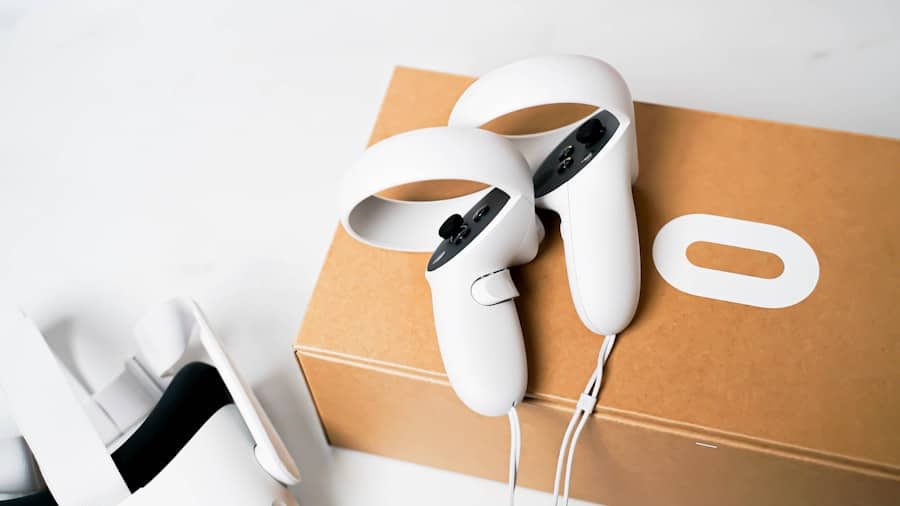
The benefits of incorporating virtual reality into plastic surgery are manifold, particularly when it comes to enhancing your overall experience. One of the most significant advantages is the ability to reduce anxiety and uncertainty surrounding surgical procedures. By allowing you to visualize potential outcomes in a realistic setting, VR can help alleviate fears and concerns that often accompany cosmetic surgery decisions.
You may find that this newfound clarity empowers you to make more informed choices about your body. Additionally, virtual reality can serve as an educational tool, providing you with valuable insights into the surgical process itself. You can explore various techniques and understand the intricacies involved in each procedure.
This knowledge not only helps demystify the surgical experience but also equips you with the information needed to engage in meaningful conversations with your surgeon. As you become more informed, you’ll likely feel more confident in your decisions, leading to greater satisfaction with the results.
The Future of Virtual Reality in Cosmetic Procedures
As technology continues to evolve, the future of virtual reality in cosmetic procedures looks promising. You may soon find that VR becomes an integral part of pre-operative planning and post-operative care. Surgeons are already exploring ways to use VR simulations to practice complex procedures before performing them on patients like yourself.
This could lead to improved precision and outcomes, ultimately enhancing your experience and satisfaction with the results. Furthermore, as VR technology becomes more accessible and affordable, it is likely that more clinics will adopt these tools into their practices. This democratization of technology means that you will have greater access to immersive experiences that can help guide your decisions.
Imagine walking into a clinic where VR headsets are standard equipment, allowing you to explore various options and visualize your desired results before even stepping into the operating room. The future holds exciting possibilities for how virtual reality will continue to shape the cosmetic surgery landscape.
The Ethical Considerations of Virtual Reality Plastic Surgery
While the benefits of virtual reality in plastic surgery are compelling, it is essential to consider the ethical implications that accompany this technology. As you engage with VR experiences, there is a risk that unrealistic expectations may be set. The immersive nature of virtual reality can sometimes create an idealized version of yourself that may not be achievable through surgery alone.
It is crucial for both you and your surgeon to maintain open lines of communication about what is realistic and attainable. Additionally, there is a responsibility on the part of clinics and surgeons to ensure that VR experiences are used ethically and transparently. You should feel empowered to ask questions and express any concerns about what you see in virtual simulations.
Surgeons must be diligent in managing expectations and providing guidance throughout the process. By fostering an environment of honesty and integrity, both parties can work together to achieve satisfying outcomes while prioritizing your well-being.
Virtual Reality and Patient Consultations

Virtual reality is transforming patient consultations by providing an interactive platform for discussion and exploration. When you enter a consultation equipped with VR technology, you are no longer just passively receiving information; instead, you actively participate in shaping your surgical journey. This shift allows for a more engaging experience where you can visualize potential changes while discussing your goals with your surgeon.
During these consultations, you may find that VR helps clarify complex concepts related to anatomy and surgical techniques. For instance, if you’re considering a facelift or breast augmentation, seeing a 3D representation of how these procedures will affect your body can provide invaluable insights. This level of engagement not only enhances your understanding but also fosters a sense of ownership over your decisions, making the entire process feel more collaborative.
The Impact of Virtual Reality on Patient Satisfaction
The integration of virtual reality into plastic surgery has shown promising results in terms of patient satisfaction. As you embark on your cosmetic journey, having access to realistic visualizations can significantly influence how satisfied you feel with the final outcome. When expectations are aligned through immersive experiences, you’re more likely to leave the operating room feeling content with your results.
Moreover, studies have indicated that patients who engage with VR technology during their consultations report higher levels of confidence in their decisions. This increased confidence often translates into greater satisfaction post-surgery, as patients feel they have made informed choices about their bodies. By utilizing virtual reality as a tool for education and visualization, clinics can enhance patient experiences and foster long-term relationships built on trust and satisfaction.
Virtual Reality and the Role of the Plastic Surgeon
As virtual reality continues to evolve within the realm of cosmetic surgery, the role of the plastic surgeon is also changing. You may notice that surgeons are becoming more than just skilled technicians; they are now educators and guides who leverage technology to enhance patient experiences. By incorporating VR into their practices, surgeons can provide a more comprehensive understanding of procedures while fostering open communication with patients like yourself.
Additionally, as surgeons become adept at using VR technology, they may find new ways to refine their techniques and improve outcomes. The ability to visualize complex procedures in a virtual environment allows for better pre-operative planning and execution. This evolution not only benefits you as a patient but also contributes to the overall advancement of the field as surgeons embrace innovative tools that enhance their skills.
In conclusion, virtual reality is poised to redefine the landscape of plastic surgery by offering immersive experiences that empower patients like yourself to make informed decisions about their bodies. As this technology continues to develop, it will undoubtedly play an increasingly vital role in shaping patient experiences, enhancing satisfaction levels, and fostering ethical practices within the industry. Embracing these advancements will allow you to navigate your cosmetic journey with confidence and clarity, ultimately leading to more fulfilling outcomes.
If you’re interested in exploring more about the advancements in plastic surgery and how virtual reality is playing a role in enhancing patient outcomes, you might find the article on the Katy, Houston clinic particularly enlightening. This article discusses the integration of cutting-edge technologies like virtual reality in plastic surgery practices to improve precision and patient satisfaction. You can read more about it by visiting Plastic Cosmetic Surgery Near Me in Katy, Houston, Texas. This resource provides valuable insights into how modern technology is shaping the future of cosmetic procedures.
FAQs
What is virtual reality plastic surgery?
Virtual reality plastic surgery refers to the use of virtual reality technology to simulate and visualize potential plastic surgery procedures on a patient before they undergo the actual surgery. This allows patients to see the potential results and make more informed decisions about their procedures.
How does virtual reality plastic surgery work?
Virtual reality plastic surgery works by using 3D imaging and simulation technology to create a virtual representation of the patient’s body. Surgeons can then use this virtual model to demonstrate potential surgical outcomes and make adjustments based on the patient’s preferences.
What are the benefits of virtual reality plastic surgery?
The benefits of virtual reality plastic surgery include the ability for patients to see potential outcomes before undergoing surgery, which can help manage expectations and reduce the risk of dissatisfaction. It also allows for more precise planning and communication between the patient and surgeon.
Is virtual reality plastic surgery widely available?
Virtual reality plastic surgery is becoming more widely available, with many plastic surgery practices and medical facilities incorporating this technology into their consultations and pre-surgical planning processes. However, it may not be available at all plastic surgery practices.
Is virtual reality plastic surgery safe?
Virtual reality plastic surgery itself is safe, as it is a simulation tool used for planning and visualization. However, the safety of the actual plastic surgery procedure depends on the qualifications and experience of the surgeon performing the operation.