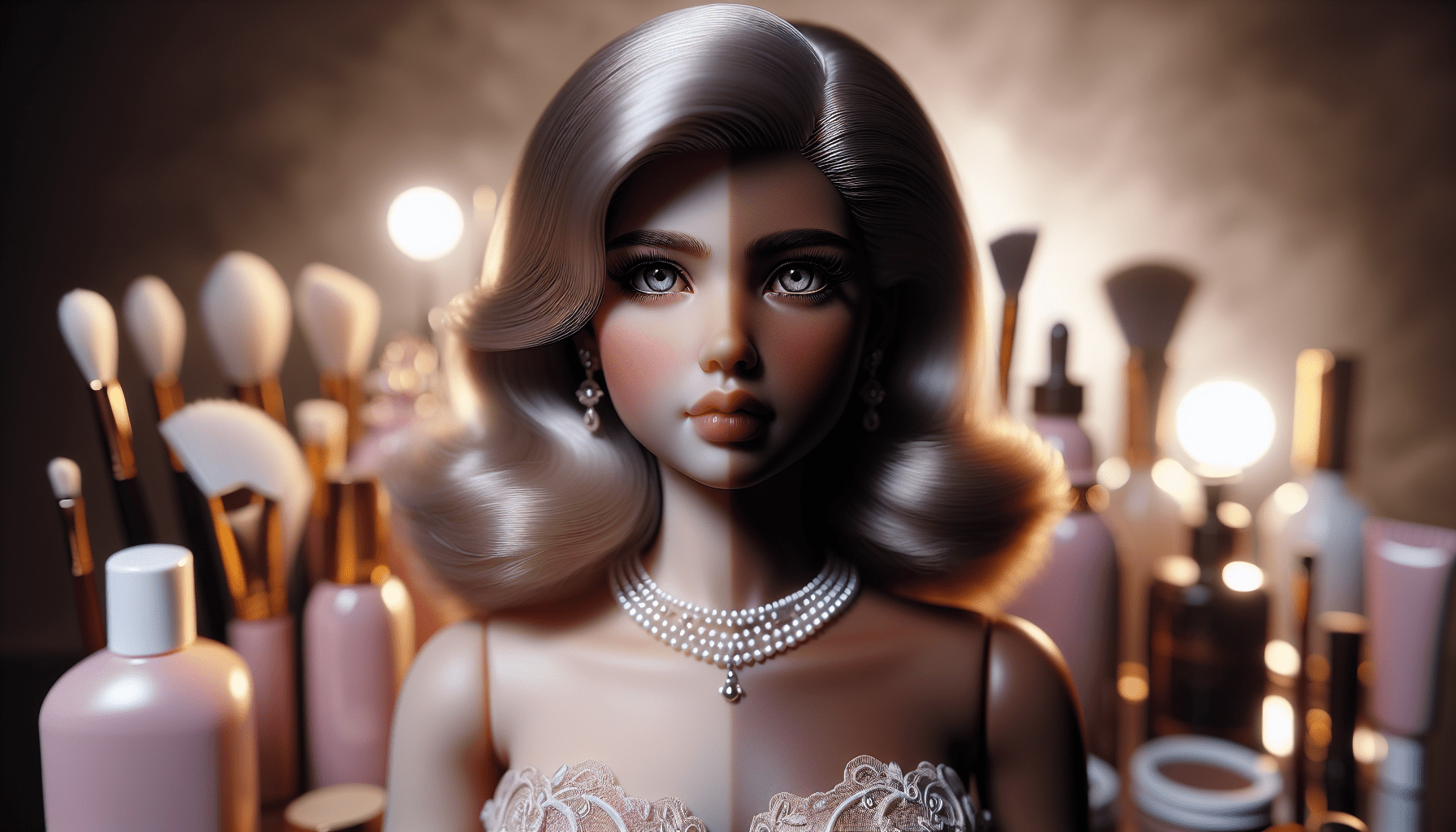
What do you think beauty means? Is it a universal concept, or does it vary significantly from one culture to another? Beauty, particularly in the realm of cosmetic surgery, is a fascinating subject, one that carries the weight of cultural norms, societal expectations, and personal aspiration.
Understanding Beauty
Beauty is often seen as a subjective idea, changing from person to person and culture to culture. In one society, fair skin may be heralded as the ideal, while in another, a darker complexion is celebrated. These perceptions heavily influence how individuals interact with beauty standards and, consequently, the cosmetic industry.
The Role of Culture in Defining Beauty
Your culture plays a pivotal role in shaping your perception of beauty. From the clothes you wear to the shapes deemed attractive, cultural norms dictate what is considered appealing. For instance, in some African cultures, fuller bodies signify wealth and health, while in Western societies, thinner figures have often been idealized. This illustrates how culturally influenced definitions of beauty can manifest in varied forms.
Historical Context Matters
Beauty ideals are not static. They evolve with history. Over the decades, what was once deemed beautiful can undergo a complete transformation. For instance, during the Renaissance, fuller figures were celebrated as a sign of prosperity, reflecting wealth and fertility. Today, the globalized fashion industry often highlights different ideals, influenced by celebrities and social media, which can sometimes clash with traditional values.
The Intersection of Gender and Beauty
When talking about beauty standards, it’s essential to consider gender roles. The societal expectations imposed on women and men regarding appearance vary vastly and can be quite rigid.
Women’s Beauty Standards
In many cultures, women face considerable pressure to meet certain beauty ideals. This pressure can come from various sources, including media portrayals, peer perspectives, and familial expectations. Whether it’s the desire for smooth skin, a slim waist, or sculpted features, women often feel the weight of these ideals heavily pressing upon them. It can lead to a complex relationship with their self-image and self-worth.
Men’s Beauty Standards
While the conversation often focuses on women, men’s beauty standards are equally pertinent. Historically, masculinity has not been as tied to appearance; however, with changing societal norms, more men are now exploring cosmetic surgery to enhance their features. The growing acceptance of male grooming, fitness culture, and body modification is indicative of a shifting landscape that recognizes that beauty concerns are not exclusive to women.

The Role of Media and Technology
With the advent of social media, the ideals of beauty have reached unprecedented levels of exposure and influence. You might find yourself scrolling through images of seemingly flawless individuals, each post further reinforcing specific beauty ideals.
Social Media’s Impact
Platforms like Instagram and TikTok have fostered a culture where appearances are increasingly curated. The “like” culture can generate pressure to conform to specific standards of beauty. This visibility can empower individuals to embrace cosmetic surgery as a means to achieve these ideals, prompting a dialogue on what beauty truly represents.
The Rise of Influencer Culture
Influencers play a significant role in shaping perceptions of beauty. Their carefully crafted posts often depict lifestyles adorned with beauty treatments and enhancements. With millions of followers, they can sway public opinions on cosmetic surgery, making it appear more accessible and desirable.
Cosmetic Surgery: A Cultural Examination
The decisions behind undergoing cosmetic procedures are complex and can be impacted by cultural contexts. What might be acceptable or even celebrated in one culture may be taboo or looked down upon in another.
Cosmetic Surgery in the West
In many Western countries, cosmetic surgery has become increasingly normalized. Procedures like rhinoplasty, breast augmentation, and lip injections have seen a rise in popularity. The notion of “self-improvement” is frequently emphasized, where the pursuit of aesthetic ideals is not only accepted but encouraged.
Eastern Perspectives
Conversely, in various Asian countries, the perception of cosmetic surgery can be more nuanced. In South Korea, for instance, it is often viewed as a socially acceptable way to improve one’s appearance and enhance opportunities in both personal and professional realms. The culture of “aesthetic surgery” in South Korea is so influential that it has even spurred medical tourism, where people flock to the country for cosmetic enhancements.
Cultural Taboos and Stereotypes
In some cultures, however, cosmetic surgery can carry stigma. Individuals may fear judgment or backlash for altering their appearance, particularly if they believe beauty is inherently linked to authenticity and inner qualities. These cultural taboos can create tension between personal desires and societal expectations.
The Psychological Implications of Beauty Standards
It’s important to consider how beauty standards and the pursuit of cosmetic enhancements can affect mental health.
Self-Image and Self-Worth
You may find that your perception of beauty directly influences your self-esteem. Constant exposure to idealized images can foster feelings of inadequacy and dissatisfaction with your own appearance. The desire to conform to certain standards can sometimes lead to anxiety, depression, or a distorted self-image.
Body Dysmorphia
Some individuals might develop body dysmorphic disorders, where they obsess over perceived flaws in their appearance. This can drive them to seek cosmetic procedures in an effort to fix what they believe to be defects. Understanding this relationship between self-perception and cosmetic surgery can pave the way for conversations about mental health alongside cosmetic enhancements.
Cultural Traditions and Their Influence on Beauty
Beyond modern media influences, traditional cultural practices shape the perceptions of beauty.
Indigenous Cultures
In various indigenous cultures worldwide, beauty is often intertwined with customs and beliefs that have been passed down through generations. These practices may include body art, scarification, or traditional attire—each bearing a story that speaks to cultural identity.
Traditional Beauty Practices
While cosmetic surgery may represent modernity for many, there are vast traditional beauty practices that speak volumes about the integration of culture and beauty. Body painting, jewelry, and even certain hairstyles can symbolize beauty in ways that transcend contemporary aesthetic standards.

Future of Beauty Standards and Cosmetic Surgery
With globalization and the intermingling of cultures, beauty standards are likely to continue evolving.
The Impact of Globalization
You might notice that beauty standards are increasingly becoming a blend of different influences. As cultures intermingle, what was once considered a local ideal can gain global recognition. This blending invites a new understanding of beauty that appreciates diversity in appearances.
The Emerging Role of Inclusivity
In recent years, there’s been a growing trend towards inclusivity in the beauty industry, challenging the norms of traditional standards. Brands that celebrate different body types, skin tones, and age ranges are gaining traction. This shift is crucial in redefining beauty to encompass a broader spectrum—one that acknowledges that it’s perfectly okay to be different.
Conclusion: Embracing Diverse Definitions of Beauty
In your journey through life, remember that beauty is deeply personal and multifaceted. It often reflects culture, history, and individuality. The evolving narratives around cosmetic surgery highlight that the pursuit of beauty is not merely about aesthetic enhancement but also about self-acceptance, identity, and society’s shifting standards. You have the power to define what beauty means to you and to embrace the uniqueness that is inherently yours.
As you reflect on the cultural and societal differences in perceptions of beauty and cosmetic surgery, consider how these perspectives can foster a broader understanding of who we are and how we choose to express ourselves in an ever-changing world. Embracing this diversity is the key to a healthier conversation around beauty, aesthetics, and our perception of self-worth. Remember, beauty lies in your uniqueness, a vibrant tapestry woven from cultural threads, personal experiences, and individual preferences.