
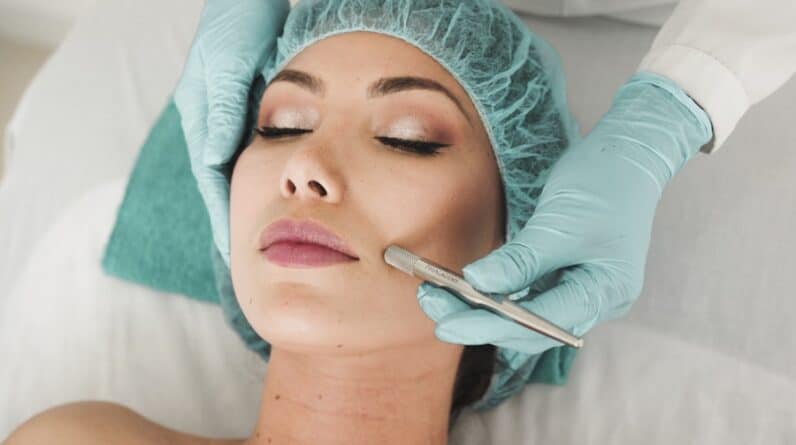
Informed consent is a cornerstone of ethical medical practice, particularly in the realm of cosmetic surgery. When you consider undergoing a procedure, it is essential that you fully understand the risks, benefits, and alternatives associated with the surgery. This process goes beyond merely signing a form; it involves a comprehensive dialogue between you and your healthcare provider.
You should feel empowered to ask questions and express any concerns you may have. The more informed you are, the better equipped you will be to make decisions that align with your values and desires. Patient autonomy is equally crucial in this context.
You have the right to make choices about your own body, and this includes the decision to undergo cosmetic surgery. However, this autonomy must be exercised with a clear understanding of what the procedure entails. It is vital that you are not only aware of the potential outcomes but also the psychological implications that may arise post-surgery.
The decision should be yours alone, free from coercion or undue influence from external parties, including family, friends, or even societal expectations.
Key Takeaways
- Informed consent is essential for patient autonomy in cosmetic surgery, ensuring that patients fully understand the risks and benefits of the procedure.
- Cosmetic surgery can have a significant psychological impact on body image, and it is important for patients to have realistic expectations and access to psychological support.
- Social and cultural pressures can influence individuals to seek cosmetic surgery, and it is important for healthcare providers to consider these factors in their decision-making process.
- Distinguishing between medical necessity and cosmetic enhancement is crucial in ensuring that resources are allocated appropriately and ethically in the healthcare system.
- Equity and access to cosmetic surgery should be considered to ensure that all individuals have fair and equal opportunities to improve their quality of life through these procedures.
Psychological Impact and Body Image
The psychological impact of cosmetic surgery can be profound and multifaceted. For many individuals, the desire to alter their appearance stems from deep-seated issues related to self-esteem and body image. You may find that undergoing a procedure can lead to a temporary boost in confidence; however, it is essential to recognize that these changes do not always resolve underlying psychological issues.
In some cases, individuals may experience regret or dissatisfaction after surgery, leading to a cycle of seeking further procedures in an attempt to achieve an idealized version of themselves. Moreover, the relationship between body image and mental health cannot be overstated. You might feel societal pressure to conform to certain beauty standards, which can exacerbate feelings of inadequacy or anxiety.
It is crucial to engage in self-reflection before making any decisions about cosmetic surgery. Consider whether your motivations are rooted in personal desire or influenced by external factors. Seeking counseling or therapy can provide valuable insights into your body image concerns and help you make more informed choices about your appearance.
Social and Cultural Pressures

Social and cultural pressures play a significant role in shaping your perceptions of beauty and desirability. In today’s digital age, social media platforms often amplify unrealistic beauty standards, making it easy for you to compare yourself to curated images of perfection. This constant exposure can lead to feelings of inadequacy and a desire to conform to these ideals through cosmetic procedures.
You may find yourself questioning your worth based on how closely you align with these societal expectations. Cultural influences also dictate what is considered beautiful or acceptable in various communities. For instance, certain cultures may celebrate specific body types or features, while others may prioritize different attributes altogether.
Understanding these cultural nuances can help you navigate your own feelings about cosmetic surgery. It is essential to critically assess whether your desire for surgery stems from personal preference or a reaction to societal norms that may not resonate with your true self.
The distinction between medical necessity and cosmetic enhancement is a critical consideration when contemplating surgery. While some procedures are performed for medical reasons—such as reconstructive surgery following an accident or illness—others are purely aesthetic in nature. You may find yourself grappling with the ethical implications of choosing cosmetic enhancement over medical necessity.
It is important to weigh the potential benefits against the risks involved in any surgical procedure. In some cases, insurance companies may cover medically necessary procedures but not those deemed purely cosmetic. This disparity raises questions about equity and access within the healthcare system.
You should consider whether your motivations for surgery are aligned with genuine medical needs or if they stem from a desire for aesthetic improvement. Engaging in open discussions with healthcare professionals can help clarify these distinctions and guide you toward making informed decisions.
Equity and Access to Cosmetic Surgery
Equity and access to cosmetic surgery are pressing issues that warrant careful consideration. Not everyone has the financial means to afford cosmetic procedures, which can create disparities in who has access to these options. If you are contemplating surgery, it is essential to recognize that socioeconomic status can significantly influence your ability to pursue these enhancements.
This inequity raises ethical questions about who gets to decide what constitutes beauty and who has the opportunity to achieve it. Furthermore, access to information about cosmetic surgery varies widely among different demographics. You may find that certain communities lack adequate resources or education regarding available procedures, risks, and benefits.
This gap can lead to uninformed decisions and potentially harmful outcomes. Advocating for greater accessibility and education within underserved communities can help bridge this divide, ensuring that everyone has the opportunity to make informed choices about their bodies.
Advertising and Marketing Ethics
The advertising and marketing practices surrounding cosmetic surgery often raise ethical concerns that you should be aware of as a potential patient. Many advertisements promote idealized images of beauty that can create unrealistic expectations for prospective patients like yourself. These marketing strategies can exploit insecurities, leading individuals to believe that surgical enhancement is the only path to happiness or acceptance.
It is crucial for you to approach these advertisements with a critical eye and recognize the potential for manipulation. Moreover, transparency in advertising is essential for ethical marketing practices. You deserve accurate information about the risks and benefits of any procedure being promoted.
Misleading claims or exaggerated results can lead to disillusionment and dissatisfaction post-surgery. As a consumer, you have the right to demand honesty from healthcare providers and marketers alike. Engaging in thorough research and seeking out reviews from previous patients can help you navigate this complex landscape more effectively.
Professional Standards and Regulation

Professional standards and regulations play a vital role in ensuring patient safety and ethical practice within the field of cosmetic surgery. As you consider undergoing a procedure, it is essential to verify that your chosen surgeon adheres to established guidelines and possesses the necessary credentials. Regulatory bodies exist to maintain high standards of care, but not all practitioners may comply with these regulations.
You should take the time to research your surgeon’s qualifications and experience before making any decisions. Additionally, ongoing education and training are crucial for professionals in this field. The landscape of cosmetic surgery is constantly evolving, with new techniques and technologies emerging regularly.
You deserve a surgeon who stays current with these advancements and prioritizes patient safety above all else. By choosing a qualified professional who adheres to ethical standards, you can feel more confident in your decision-making process.
Environmental and Sustainability Concerns
As awareness of environmental issues grows, it is increasingly important to consider the sustainability of cosmetic surgery practices. The medical field has a significant environmental footprint, from waste generated during procedures to the resources consumed in manufacturing surgical materials. If you are contemplating cosmetic surgery, it may be worth exploring whether your chosen provider prioritizes eco-friendly practices.
Sustainability in cosmetic surgery can take many forms, including minimizing waste through efficient practices or using biodegradable materials whenever possible. You might also consider how the demand for cosmetic procedures impacts broader societal values regarding beauty and consumption. By advocating for environmentally responsible practices within the industry, you can contribute to a more sustainable future while making informed choices about your own body.
In conclusion, navigating the complex landscape of cosmetic surgery requires careful consideration of various factors, including informed consent, psychological impact, social pressures, equity, advertising ethics, professional standards, and environmental concerns. As you embark on this journey, remember that your autonomy is paramount; take the time to educate yourself and engage in meaningful discussions with healthcare professionals. Ultimately, the decision should reflect your values and desires while prioritizing your well-being above all else.
When considering the ethical considerations surrounding cosmetic surgery, it is important to also explore the various body transformations that individuals undergo. One related article that delves into this topic is