

Cosmetic surgery has become an increasingly popular option for individuals seeking to enhance their appearance and boost their self-esteem. In a world where image often plays a significant role in personal and professional success, many people are turning to surgical procedures to achieve their desired look. Whether it’s a facelift, breast augmentation, or liposuction, cosmetic surgery offers a range of options that can help you feel more confident in your skin.
However, while the allure of a new appearance can be enticing, it is crucial to understand the complexities and potential risks associated with these procedures. As you consider cosmetic surgery, it’s essential to approach the decision with careful thought and research. The motivations behind seeking such procedures can vary widely, from wanting to correct perceived flaws to desiring a more youthful appearance.
Regardless of your reasons, it’s vital to recognize that cosmetic surgery is not merely a physical transformation; it can also have profound emotional and psychological implications. Understanding the risks involved is a critical step in making an informed decision about whether cosmetic surgery is right for you.
Key Takeaways
- Cosmetic surgery is a popular option for people looking to enhance their appearance.
- Common risks of cosmetic surgery include bleeding, infection, and adverse reactions to anesthesia.
- Anesthesia risks can include allergic reactions, breathing difficulties, and even death in rare cases.
- Infection risks can lead to complications such as delayed healing, tissue necrosis, and the need for additional surgeries.
- Scarring risks vary depending on the type of procedure and the individual’s healing process.
Common Risks of Cosmetic Surgery
Every surgical procedure carries inherent risks, and cosmetic surgery is no exception. While many people undergo these procedures without complications, it’s essential to be aware of the potential dangers that could arise. Common risks associated with cosmetic surgery include adverse reactions to anesthesia, infection, scarring, and complications related to implants.
By familiarizing yourself with these risks, you can better prepare for the realities of surgery and make informed choices about your health and well-being. One of the most significant aspects of understanding the risks of cosmetic surgery is recognizing that complications can occur even in seemingly routine procedures. While many surgeons perform these operations successfully every day, individual factors such as your health history, skin type, and lifestyle can influence the outcome.
Therefore, it’s crucial to have open discussions with your surgeon about your specific risks and how they relate to your unique situation. This proactive approach will help you set realistic expectations and prepare for any potential challenges that may arise during your recovery.
Anesthesia Risks
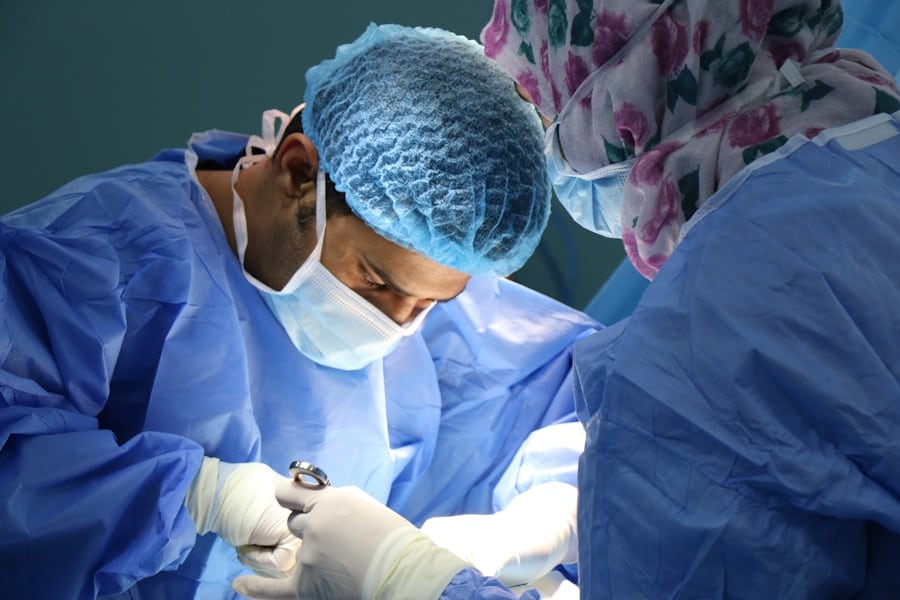
Anesthesia is a critical component of most cosmetic surgeries, allowing you to undergo procedures without experiencing pain or discomfort. However, it’s important to understand that anesthesia carries its own set of risks. Depending on the type of anesthesia used—local, regional, or general—there may be varying degrees of potential complications.
For instance, general anesthesia can lead to respiratory issues, allergic reactions, or even cardiovascular problems in rare cases. Before undergoing surgery, you should discuss your medical history with your anesthesiologist or surgeon. Certain pre-existing conditions may increase your risk of complications related to anesthesia.
Additionally, if you have a history of adverse reactions to anesthesia or other medications, it’s crucial to communicate this information clearly. By being proactive about your health and sharing relevant details with your medical team, you can help minimize the risks associated with anesthesia during your cosmetic surgery.
Infection Risks
Infection is another significant risk associated with cosmetic surgery that you should be aware of. Surgical procedures create openings in the skin, which can serve as entry points for bacteria and other pathogens. While surgeons take extensive precautions to maintain a sterile environment during operations, infections can still occur post-surgery.
Symptoms may include redness, swelling, increased pain at the surgical site, or fever. To reduce the risk of infection, it’s essential to follow your surgeon’s post-operative care instructions meticulously. This may include keeping the surgical area clean and dry, taking prescribed antibiotics as directed, and avoiding certain activities that could compromise your healing process.
Additionally, if you notice any signs of infection after your procedure, such as unusual discharge or persistent pain, you should contact your healthcare provider immediately. Early intervention can be crucial in preventing more severe complications from developing.
Scarring Risks
Scarring is an inevitable part of any surgical procedure, including cosmetic surgery. While many people hope for minimal scarring after their operations, the reality is that scars can vary significantly based on several factors. These factors include the type of procedure performed, your skin type and healing ability, and how well you follow post-operative care instructions.
Understanding the potential for scarring is essential as you prepare for cosmetic surgery. Some procedures may result in more noticeable scars than others; for example, a tummy tuck may leave a more prominent scar than liposuction. Your surgeon should provide you with information about what to expect regarding scarring and how to care for your incisions during recovery.
Additionally, there are various treatments available to help minimize the appearance of scars over time, so discussing these options with your surgeon can be beneficial.
Complications from Implants

If you are considering procedures that involve implants—such as breast augmentation or buttock enhancement—it’s crucial to understand the specific risks associated with these devices. While implants can provide significant aesthetic benefits, they also come with potential complications that you should be aware of. These may include implant rupture or leakage, capsular contracture (where scar tissue forms around the implant), and changes in sensation in the surrounding area.
Before proceeding with any procedure involving implants, take the time to discuss these risks thoroughly with your surgeon. They can provide insights into how often these complications occur and what steps can be taken to mitigate them. Additionally, understanding the lifespan of implants and when they may need replacement is essential for long-term planning regarding your cosmetic goals.
Psychological Risks
While many individuals seek cosmetic surgery to improve their self-esteem and body image, it’s important to recognize that there are psychological risks involved as well. Undergoing surgery can lead to heightened expectations about how you will feel post-procedure. If those expectations are not met—whether due to complications or dissatisfaction with the results—it can lead to feelings of disappointment or regret.
Moreover, some individuals may experience body dysmorphic disorder (BDD), a condition characterized by an obsessive focus on perceived flaws in appearance. If you struggle with BDD or similar issues, it’s crucial to address these concerns before considering cosmetic surgery. Engaging in counseling or therapy can help you develop a healthier relationship with your body and set realistic expectations for any surgical outcomes.
Choosing a Qualified Surgeon
One of the most critical steps in ensuring a safe and successful cosmetic surgery experience is choosing a qualified surgeon. The right surgeon will not only have the necessary skills and experience but will also prioritize patient safety and open communication throughout the process. When researching potential surgeons, look for board certification from recognized organizations such as the American Board of Plastic Surgery or equivalent bodies in your country.
During consultations with prospective surgeons, pay attention to their approach to patient care and willingness to address your concerns. A qualified surgeon should take the time to explain the procedure in detail, discuss potential risks openly, and provide realistic expectations regarding outcomes. Additionally, reviewing before-and-after photos of previous patients can give you insight into their work and help you determine if their aesthetic aligns with your goals.
In conclusion, while cosmetic surgery can offer transformative benefits for many individuals seeking to enhance their appearance, it is essential to approach this decision with caution and thorough understanding. By being aware of the common risks associated with these procedures—including anesthesia complications, infection risks, scarring concerns, implant-related issues, psychological impacts, and the importance of choosing a qualified surgeon—you can make informed choices that prioritize both your physical health and emotional well-being. Ultimately, taking the time to educate yourself about these aspects will empower you on your journey toward achieving your desired look safely and effectively.
If you are considering cosmetic surgery, it is important to be aware of the risks associated with these procedures. According to a recent article on