

When considering surgery, the prospect of pain can be a significant source of anxiety. You may find yourself wondering about the level of discomfort you might experience and how it will affect your recovery. Fortunately, advancements in medical technology and techniques have led to the development of what is often referred to as “least painful surgery.” This approach focuses on minimizing pain and discomfort during and after surgical procedures, allowing you to return to your daily life more quickly and with less distress.
The concept of least painful surgery encompasses a variety of techniques and technologies designed to reduce the physical and emotional toll of surgical interventions. By prioritizing patient comfort, healthcare providers aim to create a more positive surgical experience. Understanding the various methods available can empower you to make informed decisions about your healthcare options, ensuring that you choose a path that aligns with your needs and preferences.
Key Takeaways
- Least Painful Surgery aims to minimize discomfort and pain for patients undergoing surgical procedures.
- Minimally Invasive Procedures involve smaller incisions and less tissue damage, resulting in reduced pain and faster recovery.
- Local Anesthesia and Sedation can be used to numb the surgical area and keep the patient relaxed and comfortable during the procedure.
- Laparoscopic Surgery utilizes small incisions and a camera to perform surgeries with less pain and scarring.
- Robotic Surgery allows for precise and minimally invasive procedures, reducing pain and recovery time for patients.
Minimally Invasive Procedures
Minimally invasive procedures have revolutionized the field of surgery, offering you alternatives that significantly reduce pain and recovery time. Unlike traditional open surgeries, which often require large incisions, minimally invasive techniques utilize small incisions and specialized instruments. This approach not only minimizes tissue damage but also leads to less postoperative pain, allowing you to heal more quickly.
One of the key benefits of minimally invasive surgery is that it often results in shorter hospital stays and faster recovery times. You may find that you can return to your normal activities within days rather than weeks. Additionally, the reduced trauma to your body means that complications such as infections or excessive bleeding are less likely to occur.
As a result, you can feel more confident in your surgical journey, knowing that there are options available that prioritize your comfort and well-being.
Local Anesthesia and Sedation

Local anesthesia and sedation are crucial components in the realm of least painful surgery. When undergoing a procedure, you may be given local anesthesia to numb the specific area being treated, allowing you to remain awake and alert while minimizing discomfort. This targeted approach means that you can avoid the risks associated with general anesthesia, such as prolonged recovery times or adverse reactions.
Sedation can also play a vital role in enhancing your surgical experience. Depending on the procedure, you may be offered mild sedation to help you relax while still being conscious. This combination of local anesthesia and sedation allows for a more comfortable experience, as you can communicate with your surgical team while feeling at ease.
Understanding these options can help you discuss your preferences with your healthcare provider, ensuring that your needs are met during the procedure.
Laparoscopic Surgery
Laparoscopic surgery is one of the most well-known forms of minimally invasive surgery, and it has gained popularity for its ability to reduce pain and recovery time significantly. During this procedure, small incisions are made in your abdomen, through which a camera and specialized instruments are inserted. This technique allows your surgeon to perform complex operations without the need for large incisions, resulting in less trauma to your body.
The benefits of laparoscopic surgery extend beyond just reduced pain. You may also experience less scarring compared to traditional open surgery, which can be an important consideration for many patients. Additionally, the shorter recovery time means that you can return to your daily activities sooner, allowing you to maintain a better quality of life post-surgery.
As you explore surgical options, laparoscopic techniques may be worth discussing with your healthcare provider.
Robotic Surgery
Robotic surgery represents another significant advancement in the field of minimally invasive procedures. Utilizing robotic systems, surgeons can perform intricate operations with enhanced precision and control. This technology allows for smaller incisions and greater maneuverability, which can lead to less pain and quicker recovery times for you as a patient.
One of the standout features of robotic surgery is its ability to provide surgeons with a three-dimensional view of the surgical site, enhancing their ability to navigate complex anatomical structures. This increased precision not only reduces the risk of complications but also contributes to a more comfortable experience for you during and after the procedure. As robotic surgery continues to evolve, it offers exciting possibilities for various types of surgeries, making it an option worth considering when discussing your treatment plan.
Laser Surgery
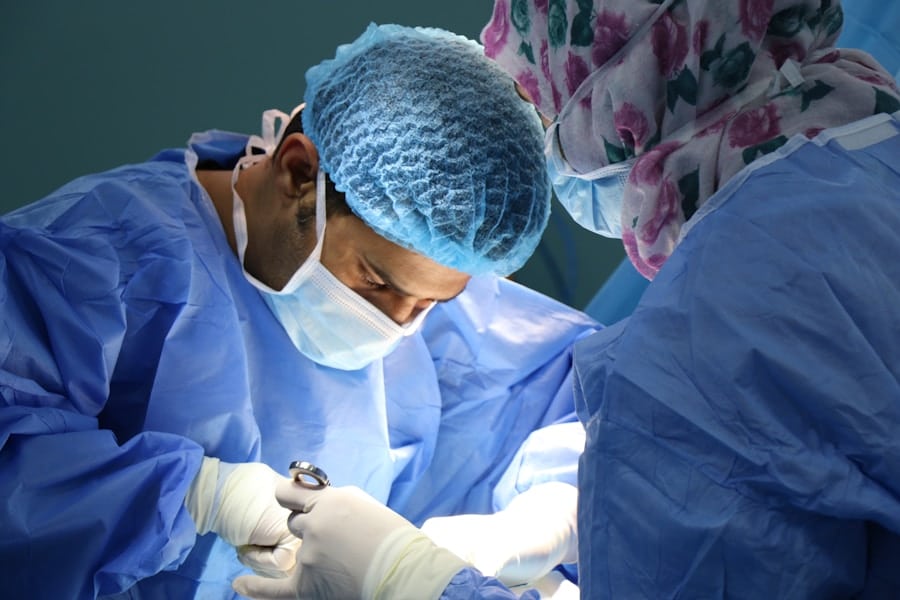
Laser surgery is another innovative technique that has gained traction in recent years for its ability to minimize pain and promote faster healing. By using focused light beams, lasers can precisely target tissues without causing significant damage to surrounding areas. This precision translates into less postoperative discomfort and a reduced risk of complications.
The applications of laser surgery are vast, ranging from dermatological procedures to eye surgeries and even certain types of cancer treatments. You may find that laser techniques offer a less invasive alternative for conditions that would traditionally require more extensive surgical interventions. As you explore your options, discussing laser surgery with your healthcare provider could open up new avenues for treatment that align with your desire for a less painful surgical experience.
Arthroscopic Surgery
Arthroscopic surgery is a specialized form of minimally invasive surgery used primarily for joint issues. If you’re dealing with joint pain or injuries, this technique may be particularly relevant for you. During arthroscopic procedures, small incisions are made around the joint area, allowing surgeons to insert a tiny camera and instruments to diagnose and treat various conditions.
The advantages of arthroscopic surgery include reduced pain and swelling compared to traditional open surgeries. Because the incisions are smaller, there is less trauma to the surrounding tissues, which can lead to quicker recovery times. Many patients report experiencing less postoperative discomfort and a faster return to their normal activities after undergoing arthroscopic procedures.
If joint issues are affecting your quality of life, discussing arthroscopic options with your healthcare provider could be beneficial.
Recovery and Post-Operative Pain Management
Recovery after surgery is an essential aspect of the overall experience, and effective post-operative pain management plays a crucial role in ensuring your comfort during this time. Your healthcare team will likely provide you with a personalized pain management plan tailored to your specific needs and the type of procedure you’ve undergone. This plan may include medications such as nonsteroidal anti-inflammatory drugs (NSAIDs) or opioids, depending on the level of pain you experience.
In addition to medication, there are various non-pharmacological strategies that can enhance your recovery process. Techniques such as physical therapy, ice application, and relaxation exercises can help alleviate discomfort and promote healing. Engaging in gentle movement as advised by your healthcare provider can also aid in reducing stiffness and improving circulation, further supporting your recovery journey.
By actively participating in your post-operative care, you can take charge of your healing process and work towards a smoother transition back to your daily life. In conclusion, understanding the landscape of least painful surgery empowers you as a patient to make informed decisions about your healthcare options. With advancements in minimally invasive techniques, local anesthesia, robotic systems, laser technology, arthroscopic methods, and effective post-operative pain management strategies, you have access to a range of choices designed to prioritize your comfort and well-being throughout the surgical process.
As you navigate this journey, open communication with your healthcare provider will be key in ensuring that your needs are met every step of the way.
If you are interested in learning more about plastic and cosmetic surgery, you may want to check out this article on cosmetic surgery for men. This article discusses how men are breaking stereotypes and embracing cosmetic procedures to enhance their appearance. It provides valuable insights into the growing trend of men seeking cosmetic surgery and the various procedures available to them.
FAQs
What is the least painful surgery?
The least painful surgery is often considered to be minimally invasive procedures such as laparoscopic surgery, arthroscopic surgery, and robotic-assisted surgery.
Why are minimally invasive surgeries considered less painful?
Minimally invasive surgeries are considered less painful because they involve smaller incisions, resulting in less tissue damage and trauma to the body. This can lead to reduced pain, faster recovery, and shorter hospital stays.
What are some examples of minimally invasive surgeries?
Examples of minimally invasive surgeries include laparoscopic cholecystectomy (gallbladder removal), arthroscopic knee surgery, robotic-assisted prostatectomy, and minimally invasive heart surgery.
Are there any risks associated with minimally invasive surgeries?
While minimally invasive surgeries generally have fewer risks compared to traditional open surgeries, there are still potential risks such as infection, bleeding, and complications related to anesthesia. It’s important to discuss the potential risks with your surgeon before undergoing any surgical procedure.
How can I determine if a minimally invasive surgery is suitable for my condition?
Your healthcare provider will assess your medical history, overall health, and the specific condition requiring surgery to determine if a minimally invasive approach is suitable for you. It’s important to have a thorough discussion with your healthcare provider to understand the best treatment options for your individual situation.