
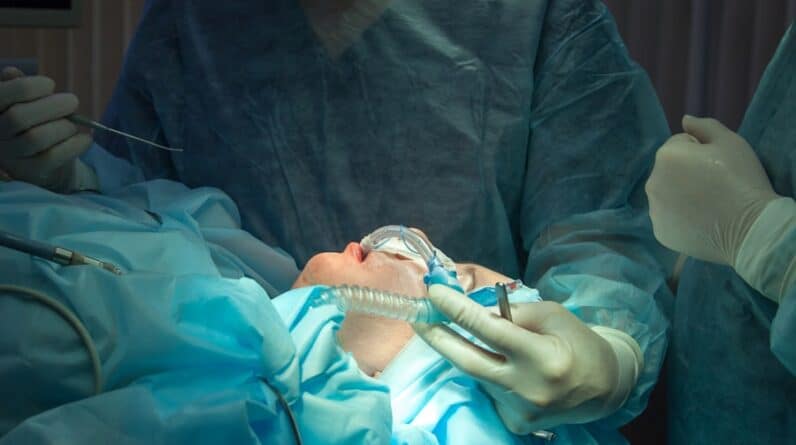
After undergoing surgery, it is crucial for you to be vigilant about your recovery process. Recognizing the signs of post-operative complications can make a significant difference in your healing journey. Common indicators that something may be amiss include increased pain, swelling, or redness around the surgical site.
If you notice any unusual discharge or a foul odor emanating from the wound, these could be signs of infection. Additionally, if you experience a fever or chills, it is essential to take these symptoms seriously, as they may indicate a systemic response to an underlying issue. You should also be aware of changes in your overall health status.
For instance, if you find yourself feeling unusually fatigued or weak, it could signal complications that require immediate attention. Changes in your appetite or difficulty in keeping food down can also be red flags. It’s important to trust your instincts; if something feels off, don’t hesitate to investigate further.
Being proactive about your health can help you catch potential complications early, allowing for timely intervention and a smoother recovery.
Key Takeaways
- Recognizing the signs of post-operative complications is crucial for early intervention and treatment.
- Seek immediate medical attention if you experience severe pain, excessive bleeding, difficulty breathing, or any other concerning symptoms.
- Effective communication with your healthcare team is essential for receiving the best post-operative care.
- Follow post-operative care instructions carefully to promote healing and prevent complications.
- Manage pain and discomfort with prescribed medications and other recommended techniques to aid in recovery.
Seeking Immediate Medical Attention
If you suspect that you are experiencing post-operative complications, seeking immediate medical attention is paramount. Delaying treatment can lead to more severe issues that could prolong your recovery or even pose serious health risks. When you notice concerning symptoms, such as excessive bleeding or severe pain that doesn’t respond to medication, it’s essential to contact your healthcare provider right away.
They can assess your condition and determine whether you need to return to the hospital or if there are alternative treatments that can be administered. In some cases, you may feel hesitant to reach out for help, thinking that your symptoms might be minor or that you are overreacting. However, it’s important to remember that your health should always come first.
Medical professionals are trained to handle post-operative complications and can provide the necessary care and reassurance. By seeking help promptly, you not only safeguard your health but also contribute to a more effective recovery process.
Communicating with Your Healthcare Team

Effective communication with your healthcare team is vital during your recovery period. You should feel empowered to ask questions and express any concerns you may have about your post-operative experience. Whether it’s about the healing process, medication side effects, or lifestyle changes, open dialogue can help clarify uncertainties and provide peace of mind.
Your healthcare providers are there to support you and can offer valuable insights into what is considered normal during recovery and what might warrant further investigation. Additionally, keeping a record of your symptoms and any changes you experience can facilitate better communication with your healthcare team. This log can serve as a reference during appointments, ensuring that you don’t overlook any important details.
By being proactive in your communication, you foster a collaborative relationship with your healthcare providers, which can lead to more personalized care and a smoother recovery journey.
Following Post-operative Care Instructions
Adhering to post-operative care instructions is crucial for minimizing the risk of complications and promoting healing. Your healthcare team will provide specific guidelines tailored to your surgery and individual needs. These instructions may include wound care protocols, dietary recommendations, and activity restrictions.
It’s essential to follow these guidelines closely, as they are designed to support your recovery and prevent complications. In addition to following the instructions provided by your healthcare team, it’s beneficial to create a structured plan for your post-operative care. This could involve setting reminders for medication schedules, organizing follow-up appointments, or even enlisting the help of family members or friends to assist with daily tasks during your recovery.
By taking an active role in your post-operative care, you empower yourself to take charge of your healing process and reduce the likelihood of setbacks.
Managing Pain and Discomfort
Managing pain and discomfort after surgery is an integral part of your recovery process. While some level of pain is expected following most surgical procedures, it’s important to differentiate between normal discomfort and pain that may indicate a complication. Your healthcare provider will likely prescribe pain management strategies tailored to your specific needs, which may include medications or alternative therapies such as physical therapy or relaxation techniques.
You should also explore various methods for managing discomfort on your own. Techniques such as deep breathing exercises, gentle stretching, or using heat or cold packs can provide relief and enhance your overall comfort level. Additionally, maintaining open communication with your healthcare team about your pain levels will allow them to adjust your treatment plan as needed.
Remember that effective pain management not only improves your quality of life but also contributes positively to the healing process.
Making Lifestyle Adjustments
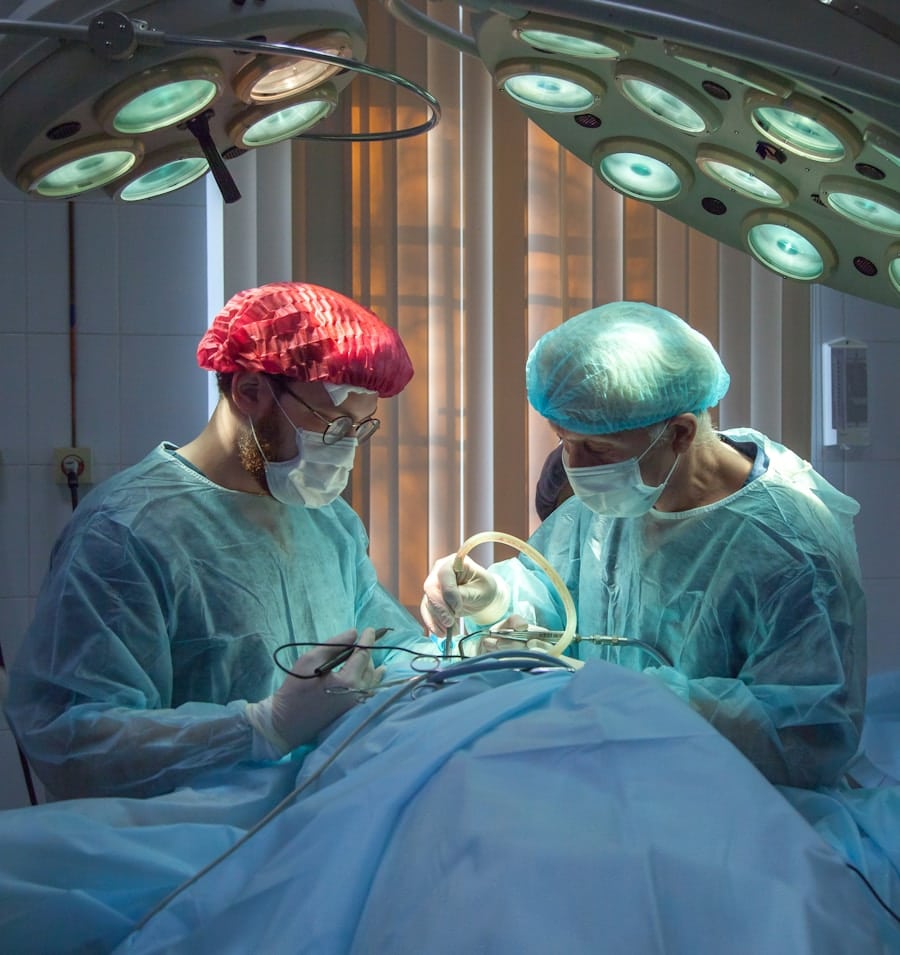
Physical Adjustments
For instance, if you had abdominal surgery, lifting heavy objects or engaging in strenuous exercise may be off-limits for a while. It’s essential to listen to your body and respect its limits during this time.
Nutrition and Hydration
In addition to physical adjustments, consider evaluating other aspects of your lifestyle that could impact your recovery. This might include adopting a balanced diet rich in nutrients that promote healing, such as proteins, vitamins, and minerals. Staying hydrated is equally important; adequate fluid intake can aid in recovery and help prevent complications like constipation or urinary tract infections.
Creating an Environment Conducive to Healing
By making these lifestyle changes, you create an environment conducive to healing and enhance your overall well-being.
Seeking Emotional Support
The emotional toll of undergoing surgery and navigating the recovery process can be significant. It’s not uncommon for individuals to experience feelings of anxiety, frustration, or sadness during this time. Seeking emotional support is essential for maintaining mental well-being as you heal physically.
You might consider talking to friends or family members who can provide encouragement and understanding during this challenging period. Additionally, don’t hesitate to reach out for professional support if needed. Therapists or counselors specializing in post-surgical recovery can offer coping strategies and tools to help manage emotional challenges effectively.
Support groups—either in-person or online—can also provide a sense of community and shared experience among individuals who have undergone similar procedures. Remember that prioritizing your emotional health is just as important as focusing on physical recovery.
Preventing Future Complications
As you recover from surgery, it’s essential to think ahead about preventing future complications. This proactive approach involves understanding the risk factors associated with your specific procedure and taking steps to mitigate them. For instance, if you had surgery related to obesity or metabolic issues, maintaining a healthy weight through diet and exercise can significantly reduce the risk of complications down the line.
Regular follow-up appointments with your healthcare provider are also crucial for monitoring your progress and addressing any concerns that may arise post-surgery. During these visits, discuss any lifestyle changes you’ve made and seek advice on maintaining long-term health after surgery. By being proactive about your health and well-being, you empower yourself to take control of your recovery journey and minimize the risk of future complications.
In conclusion, navigating the post-operative period requires vigilance and proactive engagement with your health care team. By recognizing signs of complications early on, seeking immediate medical attention when necessary, communicating openly with providers, following care instructions diligently, managing pain effectively, making lifestyle adjustments, seeking emotional support, and focusing on prevention strategies, you set yourself up for a successful recovery journey. Remember that healing is a process; by taking these steps seriously, you enhance not only your physical well-being but also your overall quality of life as you move forward after surgery.
If you are considering plastic or cosmetic surgery in Memorial Houston, Texas, Boston, Massachusetts, or Northeast Philadelphia, Pennsylvania, it is important to be aware of the potential risks and complications that can arise post-operatively. One related article that may be of interest is