
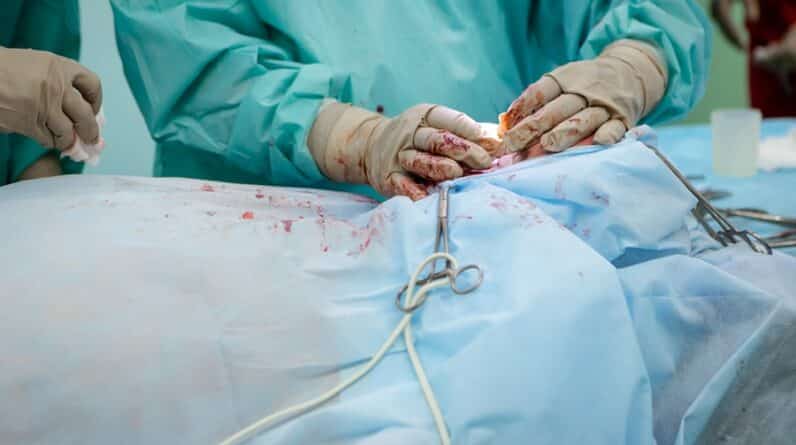
Wound reconstruction is a specialized surgical procedure aimed at restoring the integrity and function of damaged skin and underlying tissues. This process is often necessary after traumatic injuries, surgical excisions, or chronic wounds that fail to heal properly. As you delve into the world of wound reconstruction, it’s essential to grasp the various techniques and approaches that surgeons may employ.
These can range from simple skin grafts to more complex flap surgeries, where tissue is moved from one part of the body to another to cover the wound effectively. The primary goal of wound reconstruction is not just aesthetic improvement but also the restoration of function and sensation in the affected area. Understanding the anatomy of the skin and underlying structures is crucial for both you and your surgeon.
The skin consists of multiple layers, each playing a vital role in protection, sensation, and thermoregulation. When a wound occurs, these layers can be compromised, leading to complications such as infection or delayed healing. By comprehending the intricacies of wound healing and reconstruction, you can better appreciate the importance of this surgical intervention and its potential impact on your quality of life.
Key Takeaways
- Wound reconstruction is a surgical procedure to repair and restore the function and appearance of damaged tissue.
- Preparing for wound reconstruction surgery involves discussing medical history, medications, and lifestyle habits with the surgeon.
- The wound reconstruction procedure may involve tissue rearrangement, skin grafts, or flap surgery to close the wound and promote healing.
- Recovery and aftercare for wound reconstruction may include pain management, wound care, and follow-up appointments with the surgeon.
- Potential risks and complications of wound reconstruction surgery include infection, bleeding, and poor wound healing.
Preparing for Wound Reconstruction Surgery
Understanding Your Medical History and Wound Characteristics
Your healthcare provider will conduct a thorough assessment of your medical history and the specific characteristics of your wound. This evaluation may include imaging studies or laboratory tests to ensure that you are a suitable candidate for surgery.
Discussing Expectations and Addressing Concerns
You will also have an opportunity to discuss your expectations and any concerns you may have regarding the procedure. This is an important step in ensuring that you are well-informed and prepared for the surgery.
Lifestyle Adjustments and Pre-Surgery Instructions
In the days leading up to your surgery, you may be advised to make certain lifestyle adjustments. This could involve quitting smoking, as tobacco use can impede healing and increase the risk of complications. Additionally, maintaining a balanced diet rich in vitamins and minerals can promote optimal healing. Your surgeon may also provide specific instructions regarding medications to avoid, such as blood thinners, which can increase bleeding during surgery. By taking these preparatory steps seriously, you can enhance your chances of a successful outcome.
The Wound Reconstruction Procedure
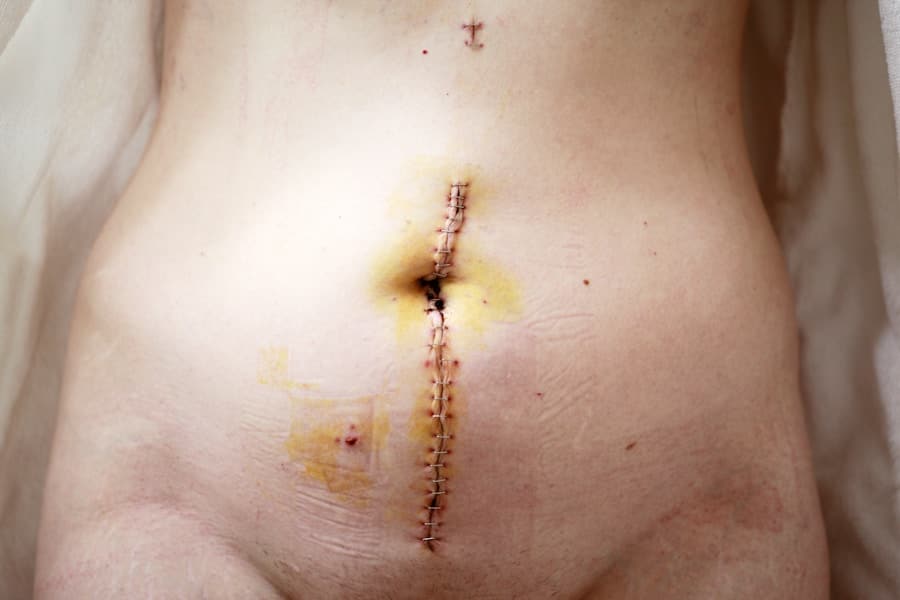
The actual wound reconstruction procedure can vary significantly based on the type and extent of the wound being treated. On the day of your surgery, you will typically be taken to an operating room where anesthesia will be administered to ensure your comfort throughout the procedure. Depending on the complexity of your case, the surgery may take anywhere from one hour to several hours.
Your surgeon will carefully remove any non-viable tissue from the wound site before proceeding with the reconstruction. Once the area is adequately prepared, your surgeon will choose the most appropriate technique for reconstruction. This could involve a skin graft, where healthy skin is taken from another part of your body and placed over the wound, or a flap procedure, where tissue is moved along with its blood supply to cover the defect.
Throughout this process, your surgeon will pay close attention to ensuring that blood flow is maintained to promote healing. After the reconstruction is complete, sutures or staples will be used to secure the new tissue in place, and a dressing will be applied to protect the area as it begins to heal.
Recovery and Aftercare
Recovery from wound reconstruction surgery is a crucial phase that requires careful attention to aftercare instructions provided by your healthcare team. Initially, you may experience swelling, bruising, or discomfort in the area where the surgery was performed. Pain management will be an essential part of your recovery plan, and your doctor may prescribe medications to help alleviate any discomfort you may experience.
It’s important to follow these guidelines closely to ensure a smooth recovery process. As you heal, keeping the surgical site clean and dry is paramount. Your healthcare provider will give you specific instructions on how to care for your wound, including when to change dressings and how to monitor for signs of infection.
Regular follow-up appointments will be scheduled to assess your healing progress and address any concerns that may arise. Engaging in light activities as recommended by your surgeon can also promote circulation and aid in recovery. Remember that patience is key; healing takes time, and adhering to your aftercare plan will significantly enhance your overall outcome.
Potential Risks and Complications
Like any surgical procedure, wound reconstruction carries certain risks and potential complications that you should be aware of before undergoing surgery. While most patients experience successful outcomes, some may encounter issues such as infection at the surgical site, delayed healing, or even failure of the graft or flap. These complications can arise due to various factors, including underlying health conditions like diabetes or poor circulation.
Additionally, there is a possibility of scarring following wound reconstruction surgery. While surgeons strive for optimal cosmetic results, individual healing responses can vary widely. Some patients may develop hypertrophic scars or keloids, which are raised areas of scar tissue that can be bothersome both aesthetically and physically.
Discussing these risks with your surgeon beforehand can help you set realistic expectations and prepare for any potential challenges during your recovery journey.
Alternatives to Wound Reconstruction
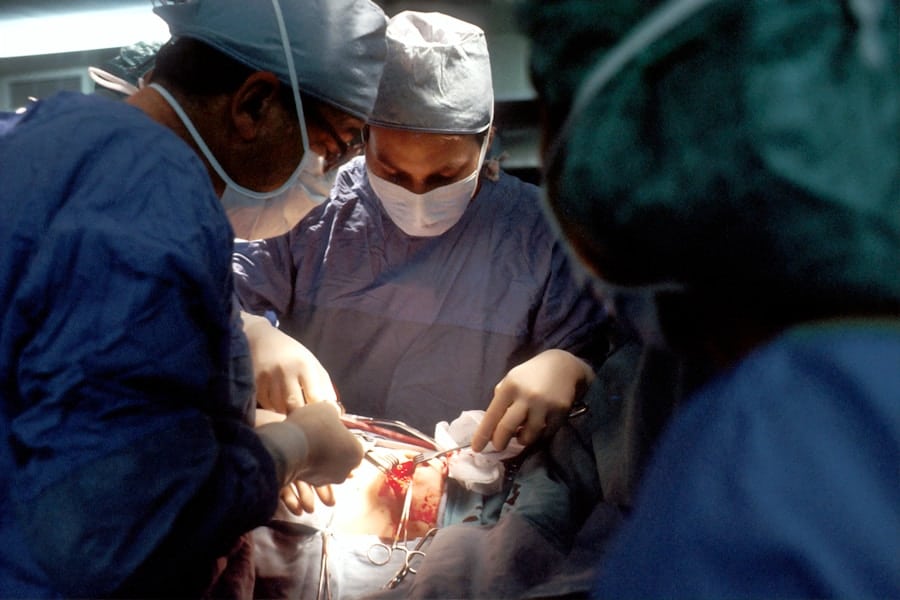
If you find yourself facing a situation where wound reconstruction is being considered, it’s essential to explore all available options before making a decision. Depending on the nature of your wound and its underlying causes, there may be alternative treatments that could promote healing without surgical intervention. For instance, advanced wound care techniques such as negative pressure wound therapy (NPWT) can help facilitate healing by creating a vacuum environment around the wound.
Other alternatives might include biological dressings made from human or animal tissues that promote healing while minimizing scarring. Additionally, some patients may benefit from topical treatments or advanced therapies like hyperbaric oxygen therapy (HBOT), which enhances oxygen delivery to tissues and can accelerate healing in certain cases. Engaging in an open dialogue with your healthcare provider about these alternatives can empower you to make informed decisions regarding your treatment plan.
Cost and Insurance Coverage
Understanding the financial aspects of wound reconstruction surgery is crucial for effective planning. The cost of this procedure can vary widely based on factors such as geographic location, the complexity of the surgery, and whether it involves additional treatments like physical therapy or follow-up care. On average, you might expect costs ranging from several thousand dollars to significantly higher amounts depending on these variables.
Insurance coverage for wound reconstruction can also differ based on individual policies and medical necessity criteria. Many insurance plans cover reconstructive surgeries when deemed medically necessary; however, it’s essential to verify coverage details with your insurance provider before proceeding with surgery. This includes understanding any deductibles, co-pays, or out-of-pocket expenses you may incur during your treatment journey.
Being proactive about these financial considerations can help alleviate stress as you navigate through this process.
Finding a Qualified Wound Reconstruction Specialist
Choosing a qualified wound reconstruction specialist is one of the most critical steps in ensuring a successful outcome for your procedure. Start by seeking recommendations from your primary care physician or other healthcare providers who are familiar with specialists in this field. You can also conduct research online to find board-certified plastic surgeons or dermatologists who specialize in wound care and reconstruction.
When evaluating potential specialists, consider their experience with cases similar to yours and their overall success rates in performing wound reconstruction surgeries. It’s also beneficial to read patient reviews and testimonials to gain insight into their approach and bedside manner. Once you have narrowed down your options, schedule consultations with each specialist to discuss your specific needs and concerns.
This initial meeting will allow you to gauge their expertise and determine if you feel comfortable moving forward with them as your surgeon. In conclusion, understanding wound reconstruction involves recognizing its purpose, preparing adequately for surgery, navigating through the procedure itself, and managing recovery effectively. By being informed about potential risks and exploring alternatives while considering financial aspects and finding a qualified specialist, you empower yourself to make educated decisions regarding your health journey.
If you are considering a wound reconstruction procedure, you may also be interested in learning more about plastic cosmetic surgery options available in the Greenway/Upper Kirby area of Houston, Texas. Check out this article for more information on the services offered in this location.
FAQs
What is a wound reconstruction procedure?
A wound reconstruction procedure is a surgical technique used to repair and reconstruct damaged or injured tissue, typically after a traumatic injury, surgery, or disease.
What are the common reasons for needing a wound reconstruction procedure?
Common reasons for needing a wound reconstruction procedure include severe trauma, burns, cancer removal, and other types of tissue damage that require surgical repair and reconstruction.
What are the different types of wound reconstruction procedures?
There are several different types of wound reconstruction procedures, including skin grafts, flap surgery, tissue expansion, and microsurgery techniques, which are chosen based on the specific needs of the patient and the nature of the wound.
How is a wound reconstruction procedure performed?
A wound reconstruction procedure is typically performed under general anesthesia and involves the surgical removal of damaged tissue, followed by the reconstruction of the area using healthy tissue from another part of the body or from a donor source.
What is the recovery process like after a wound reconstruction procedure?
The recovery process after a wound reconstruction procedure varies depending on the extent of the surgery and the individual patient, but typically involves a period of rest, wound care, and physical therapy to regain function and mobility in the affected area.
What are the potential risks and complications associated with a wound reconstruction procedure?
Potential risks and complications of a wound reconstruction procedure may include infection, bleeding, poor wound healing, nerve damage, and the need for additional surgeries or procedures to address any issues that arise during the recovery process.